Перейти к содержимому

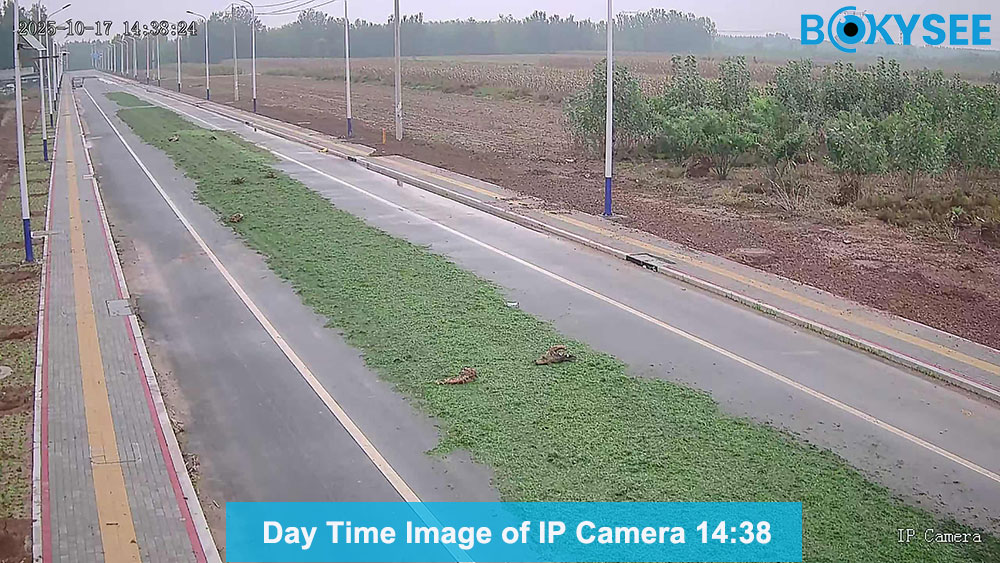
License plate recognition cameras combine readable plate images with software that converts characters into searchable data. Recognition may run onboard or on a separate platform. Performance relies on suitable optics, lighting, exposure settings, and support for local plate formats.
For integrators and project buyers, LPR can support vehicle logging, plate searches, and automated entry through compatible systems. When evaluating IP-камеры PoE, plate-recognition capability and integration requirements should be confirmed for the specific model. Day and night testing helps verify performance before deployment.
How License Plate Recognition Cameras Work
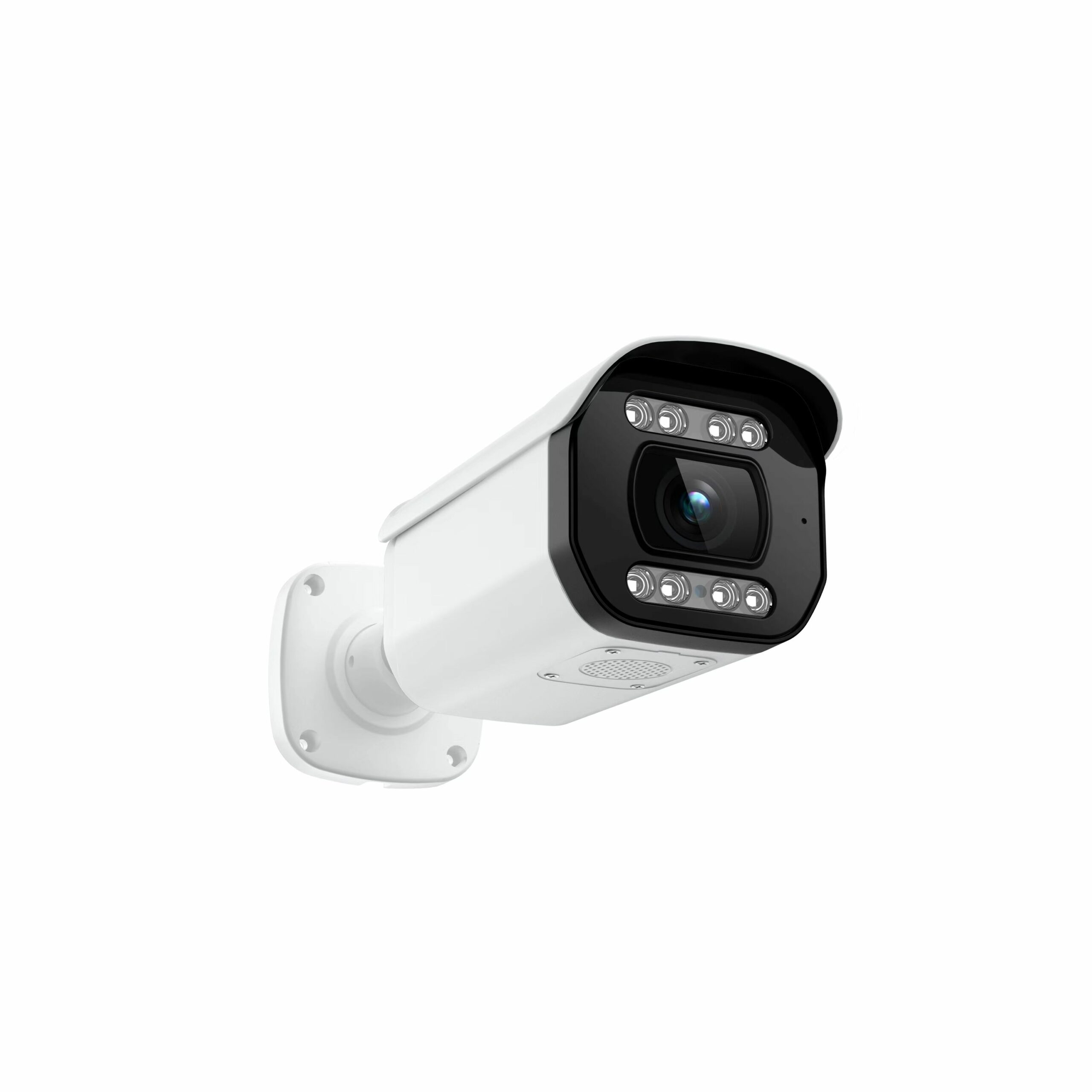
The camera freezes a moving plate, sharpens the characters, and passes them to a recognition engine that returns the number.
LPR vs. ANPR: Understanding the Terminology
LPR and ANPR are commonly used for the same function: automatically reading vehicle registration plates. Terminology varies by region and supplier. License plate capture, or LPC, refers to producing readable images and does not by itself mean the camera can recognize characters or output plate data.
Capturing and Processing License Plate Images
Recognition starts with the image, not the software. The camera uses a fast shutter to freeze the vehicle, then the on-board or server-side engine uses automatic number-plate recognition to isolate the plate and read the characters. Recognition software cannot reliably recover characters lost to severe blur or overexposure. Lens selection, focus, shutter speed, and illumination should therefore be configured together to produce readable plate images.
LPR Cameras vs. General-Purpose Security Cameras
A general security camera is tuned for a wide scene and human faces, while an LPR camera is tuned for a narrow lane and reflective plates. The difference shows up at night, when a regular camera washes out the plate with its own infrared, and an LPR unit is designed to keep the characters readable. Trying to make one camera do both jobs usually ends with neither done well.
Where License Plate Recognition Cameras Are Used
The value of a plate read is action: opening a gate, logging a vehicle, or finding one later.
Parking Lots and Access Control
The most common application is a lot or garage that admits vehicles by plate. The camera reads the plate at the entry, the system checks it against an approved list, and the barrier opens without a ticket or a tap. It removes the friction of tags and cards for both the operator and the driver, and it does not require the driver to roll down a window.
Commercial Entrances and Exit Lanes
Loading docks, delivery yards, and employee entrances use plate capture to log who arrived and when. The value is the record itself: a vehicle in an incident can be identified by plate, and the entry log becomes evidence. It does not depend on a guard remembering, which matters most when nobody was watching.
Toll Roads and Vehicle Monitoring
On tolled roads and managed lanes the camera is part of a billing system, so the read must be near perfect. This is the highest-stakes use, and it is where the lighting and mounting requirements are the strictest, because a missed read is lost revenue and a wrong read is a customer dispute.
Residential and Industrial Gateways
Gated communities and industrial sites use plate recognition to let residents and staff through while logging everyone else. Pairing the camera with a barrier automates a job that otherwise needs a guard, and the plate log doubles as an access audit trail that can be searched after any incident.
Key Requirements for LPR Camera Performance

The read is won or lost on three things: pixel density, shutter speed, and the light on the plate.
Resolution and License Plate Pixel Density
A plate needs enough pixels across its characters to be read, usually quoted as a minimum pixel count per character. That requirement, not the megapixel total, is the number to check. A 4K camera aimed too wide can still under-resolve a plate at the far end of the lane, and a lower-resolution unit framed tightly on the plate will outperform it.
Camera Angle, Distance and Mounting Height
The camera should look nearly straight down the lane, with only a small vertical and horizontal angle, because steep angles compress the characters and break the read. Mounting height and distance are set together so the plate lands in the sharpest part of the frame. A common mistake is mounting too high and then wondering why the characters run together.
Shutter Speed and Moving Vehicles
A fast shutter freezes a moving plate, while a slow one blurs it. The shutter speed must match the fastest vehicle the site expects, and the trade-off is that a faster shutter needs more light. This balance is the core of LPR design at night, and it is usually dialed in on site rather than left at the factory default.
Nighttime Illumination and Headlight Glare
Headlights are the enemy at night, and a standard infrared illuminator reflects off the plate and blanks it out. LPR systems control the exposure and the illumination so the plate stays dark characters on a light background. The guidance on night capture is covered in our article on full color night vision for IP cameras. Getting this wrong is the single most common reason a daytime-working system fails after dark.
Local Plate Formats and Recognition Accuracy
Plate formats differ by country, with different character counts, fonts, and colors, and the recognition engine must support the local format. An integrator should test the system on the actual plates that will pass through. A model tuned for one region reads another region poorly, and a mismatch only surfaces after the install is live.
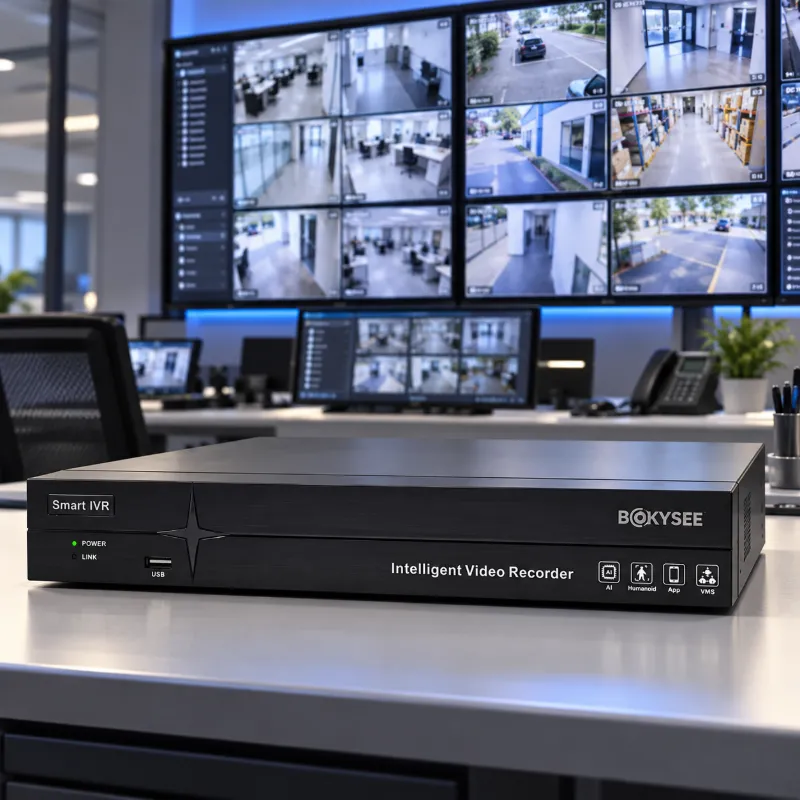
Planning a parking or entrance surveillance project? Bokysee offers PoE IP cameras and OEM/ODM services. Share the capture distance, vehicle speed, and integration requirements with the team to assess suitable options. Any required plate-recognition capability should be confirmed for the proposed model.
Explore OEM/ODM Solutions →How to Plan an LPR Camera Installation
Plan the capture point first, then the lens, then the integration, in that order.
Choosing the Right Capture Point
Pick a spot where the vehicle is moving straight and predictably, with a clear line of sight and room to mount at the right height. Avoid curves, crests, and gates that force the plate to turn away at the moment of capture, because every degree of angle costs characters.
Selecting a Lens and Field of View
The lens and its field of view decide the pixel density at the plate, and the focal length sets how wide the capture zone is. Narrowing the view onto the lane, rather than trying to cover the whole entrance, is how an integrator gets a reliable read. The trade-offs are explained in our guide to choosing a security camera lens focal length. A lens chosen for the exact distance beats a zoom set to a guess.
Integrating LPR Software, NVRs and Access Control
The plate number is only useful once something consumes it. That can be the camera own engine, a server application, or an access controller that opens a barrier. The integration points should be confirmed before purchase. A camera that reads plates but cannot talk to the barrier is half a system, and the missing half is usually the expensive part to add later.
Network, Storage and Data Retention Planning
Plate data is small compared to video, but the site may need to store both the plate log and the associated clip for a defined period. Planning the retention and the network path up front avoids a system that works at the gate but fails the audit later, when the record is actually needed.
What Integrators Should Check Before Purchasing
Test on the real lane, not on a demo, and verify the read rate before the system is committed.
Supported Vehicle Speeds and Capture Conditions
Confirm the maximum vehicle speed the camera handles and whether that covers the site. A unit rated for slow parking traffic will miss a plate at highway speed, and a demo video of stopped cars proves nothing about the real lane. The rated speed should be checked against the fastest vehicle the site actually sees.
Compatibility with Existing Security Systems
The LPR camera should integrate with the NVR or VMS the site already uses, through standard protocols rather than a proprietary lock-in. Check the integration path early, because retrofitting it after purchase is where projects stall, and a closed system quietly limits future expansion.
Environmental Ratings and Installation Conditions
Outdoor units need weather sealing and, in hot regions, a temperature rating that survives the summer. The housing and the mounting should survive the same conditions the gate survives. A camera that fogs or overheats stops reading plates, and the site loses its automation exactly when it is needed.
Testing Recognition Performance on Site
The only meaningful test is a run of real vehicles through the actual capture point, day and night. Count the successful reads against the total and check the plate images for the ones that failed. That on-site test, not the specification sheet, is what tells an integrator whether the system will hold up, and it should happen before the final payment.
Frequently Asked Questions About License Plate Recognition Cameras
What is the difference between an LPR camera and a regular security camera?
An LPR camera is tuned to freeze and read a moving plate in a narrow lane, while a regular camera is built for a wide scene and faces. The LPR unit has a faster shutter and controlled illumination so the plate stays readable, and it performs poorly if asked to double as a general overview camera.
How far can an LPR camera read a license plate?
It depends on the lens and resolution, with typical capture distances from a few meters at a gate to tens of meters with a long lens. The limit is set by the pixels across the plate, not by a fixed distance.
Can LPR cameras recognize plates at night?
Yes. Night recognition is a core requirement, and LPR cameras control exposure and illumination to avoid the headlight glare that blanks a regular camera. Testing at night is essential before a system is accepted.
Do LPR cameras require special software?
Most units include a recognition engine, either on the camera or as server software. The plate number is then passed to an NVR, a database, or an access controller that acts on it.
Can LPR cameras integrate with access control systems?
Yes. The plate read can open a barrier or gate through an access controller, and the same event can be logged. The integration path should be confirmed before purchase, because it is not automatic on every model.
What affects license plate recognition accuracy?
Pixel density, shutter speed, camera angle, lighting, weather, and the local plate format all affect accuracy. The biggest gains come from the mounting position and the capture conditions, not from the camera alone.
Заключительные мысли
Reliable LPR requires suitable capture conditions, supported plate formats, and verified software integration. Day and night testing helps confirm whether the proposed system meets the site’s agreed recognition requirements.
Бокизее provides PoE IP cameras and OEM/ODM services for surveillance projects. Integrators can submit their lane conditions and recognition requirements for product assessment. Plate-reading functions and sample availability should be confirmed for the proposed model.
Recorder selection also affects how footage is stored and reviewed. Our article on Best NVR Camera Systems: Features and Buying Tips covers general buying considerations. Support for plate searches and LPR events should be verified separately.







 Russian
 English
 Spanish