Перейти к содержимому
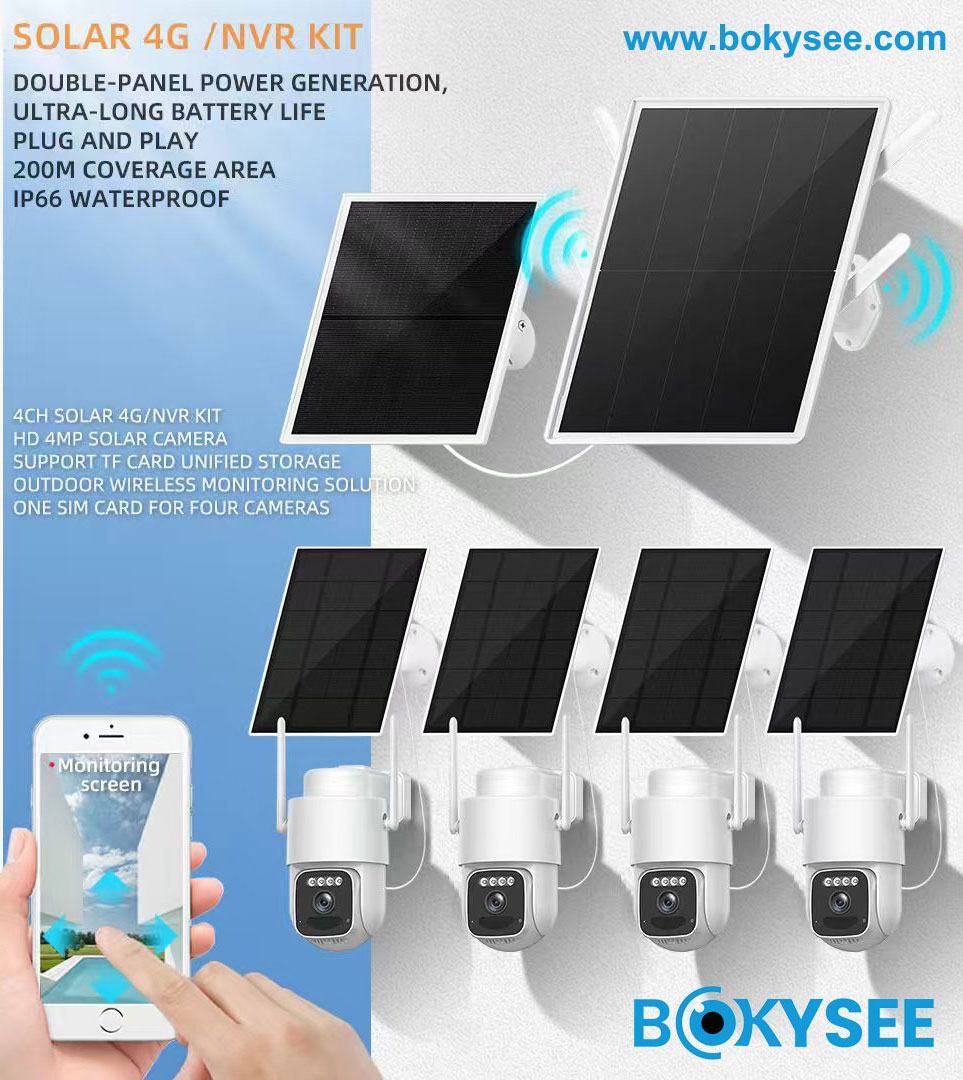
Solar security cameras promise independence from power outlets, and then the sky turns gray for a week. Anyone running cameras in Seattle, London, or a rainy autumn anywhere has asked the same question: does this thing actually charge when the sun disappears?
The short answer is yes: solar cameras keep charging on cloudy days, but at a fraction of their normal rate. Clouds do not switch a panel off; they cut its output dramatically, and whether your camera survives a gray week depends on the energy balance between what the panel harvests, what the battery stores, and what the camera spends.
The numbers behind that balance are worth knowing: how much power panels actually make under different skies, when a bigger panel is worth the money, how mounting angle changes everything, and what to do when the battery simply refuses to charge.
Can Solar Security Cameras Charge on Cloudy Days?
Clouds cut panel output, they do not switch it off — diffuse light still feeds the battery, just slowly.
Solar panels generate electricity from light, not from the blueness of the sky. On an overcast day, sunlight reaches the panel as diffuse radiation — scattered through clouds rather than beaming straight down. A panel still converts that light into current; it simply receives far less of it. The U.S. Department of Energy’s primer on how solar works explains this conversion, and the physics do not pause for weather.
For a solar security camera, that means a charged battery drains more slowly on gray days rather than draining at full speed. A camera that records on motion events might use 20 watt-hours a day, and a 5-watt panel under heavy clouds might replenish only 2 to 5 of them. The battery covers the gap, which is exactly what it is there for. Trouble starts only when cloudy days stack up faster than the battery can buffer them.
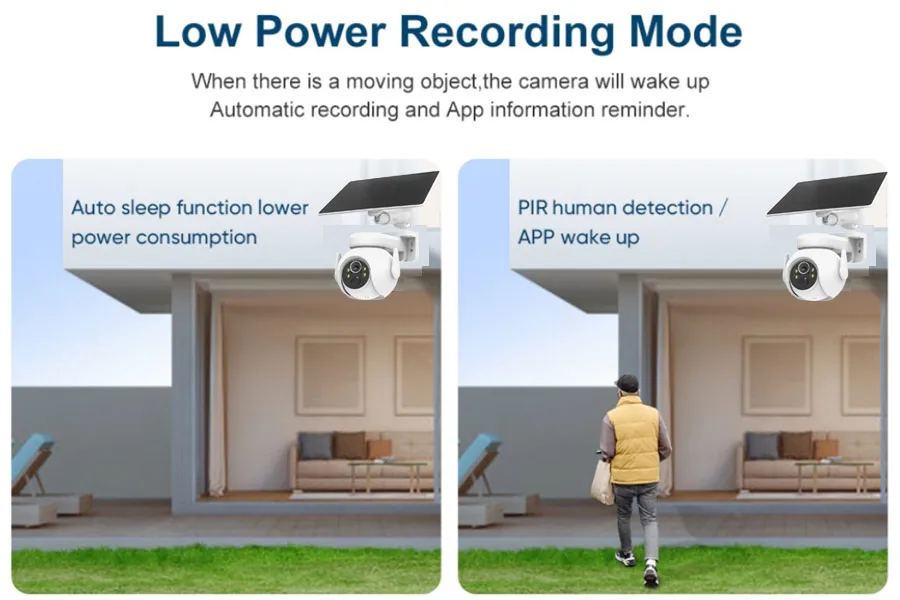
In practice, a cloudy week looks worse on paper than in the field. Many cameras enter a conservation mode as the battery falls — trimming clip quality, spacing out check-ins with the server — precisely so that gray stretches end with the camera alive rather than dead. Watch the trend line in the app instead of the daily percentage: a battery that dips Monday to Friday and recovers on the weekend is healthy; one that never recovers needs attention.
How Much Power Can a Solar Panel Produce on a Cloudy Day?
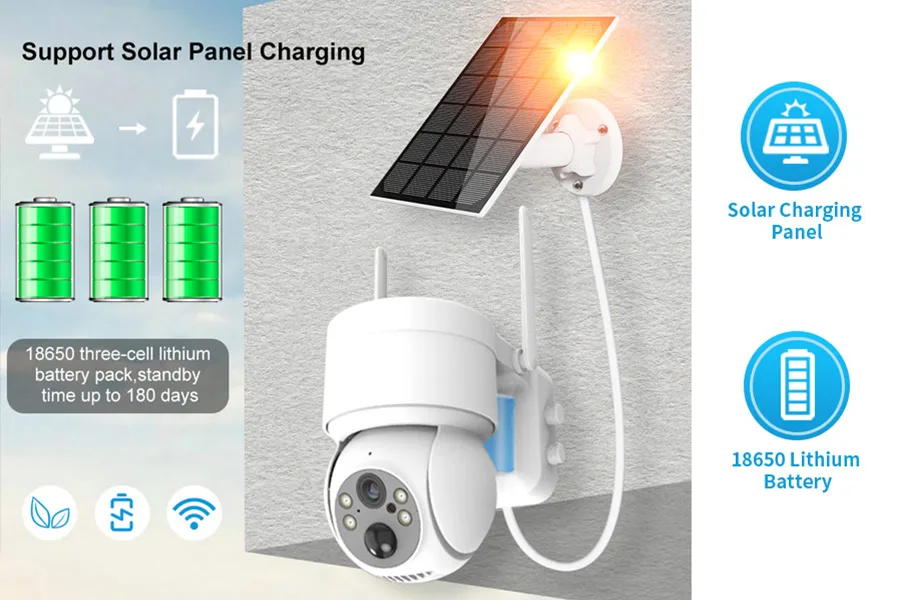
A panel that makes 20 watt-hours on a clear day may make only 2 to 5 under heavy clouds.
Real-world output tracks sky conditions closely. The ranges below hold for the monocrystalline panels used on most modern cameras:
| Sky Condition | Typical Panel Output |
|---|---|
| Full, direct sun | 100% of rated output |
| Light haze or thin clouds | 60–80% |
| Broken clouds, sun and shade alternating | 30–50% |
| Heavy overcast or rain | 10–25% |
Two practical notes for reading this table. First, broken-cloud days often average better than you expect — output spikes each time the sun peeks through. Second, cold panels actually run slightly more efficiently than hot ones, so a bright winter day can outperform a scorching summer one even when the sun sits lower. Gray weeks are survivable; what kills cameras is designing for annual averages instead of for the worst month.
Does a Bigger Solar Panel Charge Faster?
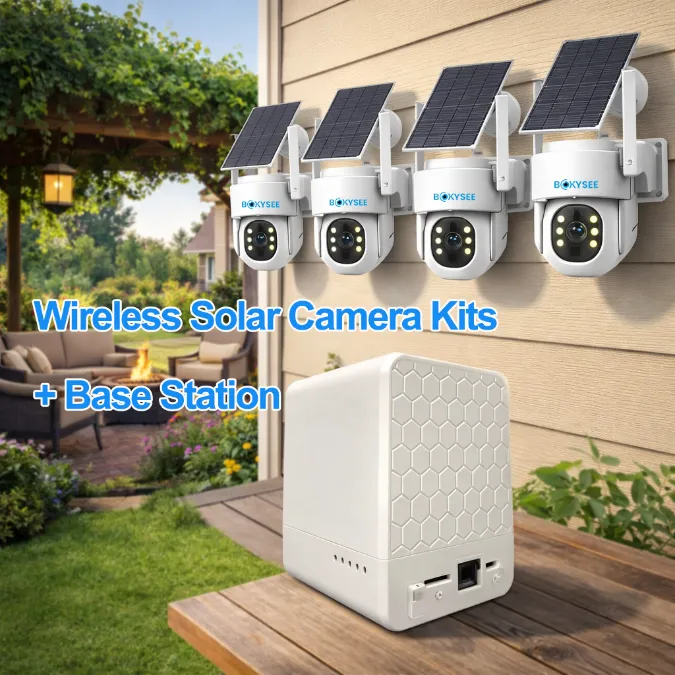
A bigger panel only helps when sunlight — not battery size or camera draw — is the limiting factor.
How Panel Size Affects Charging
Doubling panel wattage doubles the harvest under any given sky — a 10-watt panel under heavy overcast makes roughly twice what a 5-watt panel makes. In that narrow sense, yes, bigger panels charge faster. A camera that recovers 4 watt-hours a day on a 5-watt panel in gloomy weather recovers 8 on a 10-watt panel, and the math stays linear from there.
Panel Output vs. Battery Capacity vs. Camera Consumption
But charging speed is only one third of the system. What actually keeps a camera alive through gray weeks is the balance among three numbers:
| Element | Example Figure | What It Tells You |
|---|---|---|
| 5 W panel, 4 hours of clear sun | ~20 Wh harvested per day | the system’s daily income |
| 10,000 mAh battery at 3.7 V | ~37 Wh stored | one to two days of buffer in event mode |
| Camera in event-recording mode | ~0.7–1.5 W average | 17–36 Wh spent per day |
| Camera in continuous recording | ~4–6 W | 96–144 Wh per day; needs a far larger panel |
When a Bigger Panel Actually Helps
A larger panel earns its cost in three situations: consistently cloudy climates, high-latitude winters with short days, and cameras set to record continuously. In those cases, upgrading from the compact 5-watt panel on a solar battery camera to a 15- or 20-watt external panel can turn a deficit into a surplus. In sunny regions with event-based recording, the stock panel is usually sufficient, and the better upgrade is a bigger battery — more storage to ride out the occasional gray stretch.
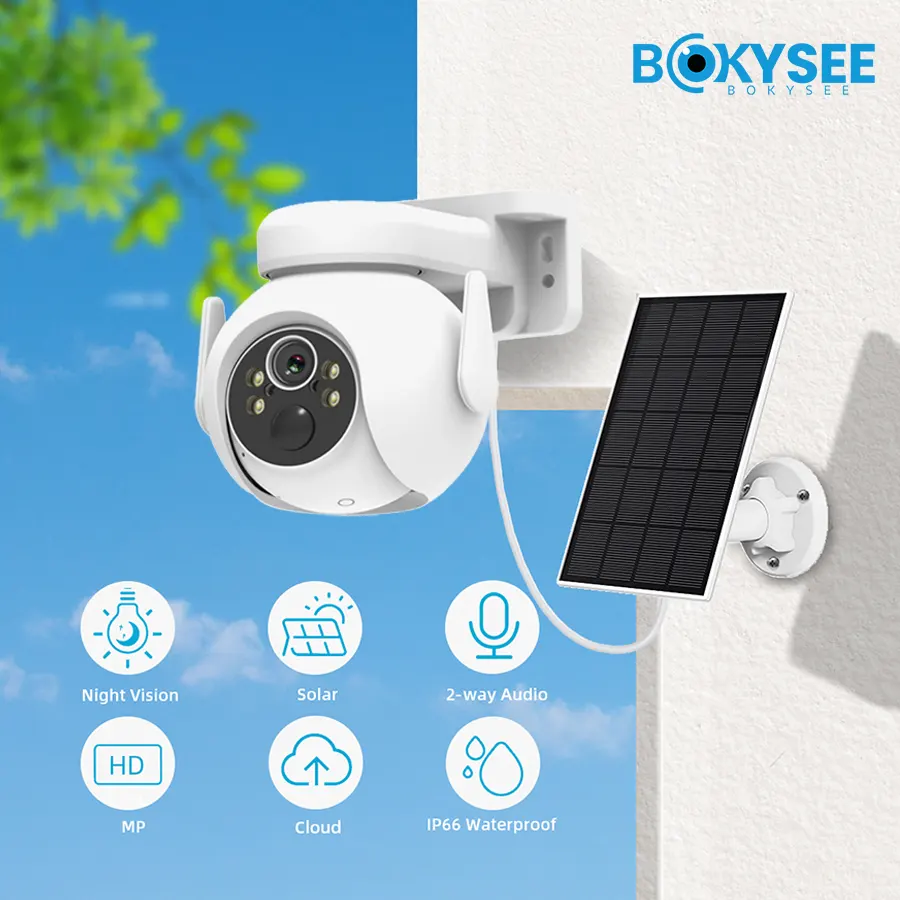
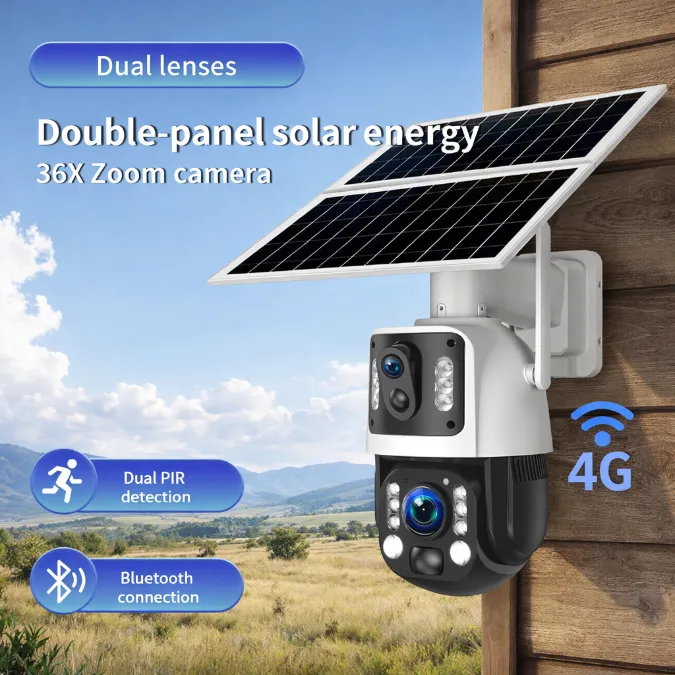
Specifying solar cameras for less-than-sunny markets? Bokysee manufactures solar battery cameras with matched panel sizing, replaceable battery packs, and low-power recording modes engineered for weak-sunlight regions — with OEM and ODM support for your brand.
Explore OEM/ODM Solutions →What Is the Best Panel Angle for Solar Charging?

The best angle is the one that faces the low winter sun — summer takes care of itself.
Panel angle decides how much of the available light actually lands on the glass. The standard rule: tilt the panel at roughly your latitude for year-round operation, and add 10 to 15 degrees if you want to favor winter, when the sun sits low and daylight is short. A camera in New York (latitude 40) does well with the panel tilted about 50 degrees from horizontal for winter-weighted charging.
Orientation matters just as much. In the northern hemisphere, panels should face south; in the southern hemisphere, north. And in practice, two installation realities undo more solar cameras than any weather pattern: mounting the panel on a north-facing wall (northern hemisphere) where it never sees direct sun, and letting a tree or building shadow it for most of the day. A panel in shade produces almost nothing regardless of its rating — check the mounting spot at 9 a.m., noon, and 3 p.m. before drilling a single hole.
One more angle-related trick worth knowing: reflective ground helps. Snow, light concrete, and white rooftops bounce sunlight back onto the panel and can add a few percent of output — part of why solar cameras often hold up surprisingly well in bright winter conditions. Adjustable mounts pay for themselves here, letting you steepen the panel for winter and flatten it for summer instead of settling on one compromise setting year-round.
How Can You Keep a Solar Camera Running With Less Sunlight?
Every setting you trim — resolution, wake-ups, IR strength — is sunlight you do not have to catch.
When sunlight is the constraint, spend less instead of harvesting more. The levers that matter, in order of impact:
- Cut motion-trigger frequency. Every wake-up costs power. Trimming sensitivity so passing cars and swaying branches stop triggering clips can halve daily consumption.
- Drop resolution and frame rate for the gray season. 1080p at 15 frames per second records everything a security review needs and saves a third of the energy of 2K continuous-quality settings.
- Shorten clip length. Ten seconds per event usually suffices; thirty-second clips triple the upload and recording cost.
- Schedule recording windows. If the site only needs coverage at night, let the camera sleep through the morning.
- Carry a bigger battery into winter. Storage is cheaper than panel wattage; a second battery pack bridges the longest gray stretches.
Winter deserves special planning because short days, low sun, and cold-reduced battery capacity all land at once. We cover that combination in detail in our guide to solar cameras in winter.
For sites where even careful tuning is not enough, the hardware answer is a second panel. Many cameras accept two panels through a simple Y-connector, doubling the harvest without replacing anything. Point the second panel west if the first faces south: the pair then collects light from morning through late afternoon, stretching the effective charging window on the short days when every hour matters.
What to Do When a Solar Camera Battery Stops Charging
Most charging failures are housekeeping problems — dirty glass, corroded connectors, or a battery past its cycle life.
When the app shows the battery percentage sliding toward zero on sunny days, work through the usual suspects in this order:
- Clean the panel. Dust, pollen, and bird droppings shade individual cells and can cut output by half or more. Warm water and a soft cloth, twice a season.
- Check the connector. Outdoor connectors oxidize and work loose. Unplug, inspect for green corrosion, reconnect firmly, and seal with dielectric grease if the design allows.
- Verify the cable run. Extension cables that are too long or too thin drop voltage before it reaches the camera. If you extended the factory cable, test charging with the panel plugged in directly.
- Test the battery. Lithium cells lose capacity with every cycle. A battery that charges to 100% in an hour and dies overnight has reached end of life — one to three years of regular cycling.
- Consider the cold. Most lithium chemistries limit or block charging below freezing to protect the cells. A camera that refuses to charge on a cold night but recovers by noon is behaving normally.
If the panel measures healthy output but the battery still will not move, the charge circuit inside the camera is the remaining suspect, and that means a warranty conversation. For a fuller walkthrough of the no-charge scenario, see our solar camera charging troubleshooting guide.
Frequently Asked Questions About Solar Charging
How many cloudy days can a solar security camera handle?
A fully charged camera in event-recording mode typically rides out one to four consecutive cloudy days, depending on battery capacity and how often motion wakes it. Once the sky clears, the panel refills the battery over one or two sunny days.
Can rain affect solar camera performance?
Rain itself does not harm a properly sealed camera — look for IP65 or better — but the heavy clouds that come with it can cut panel output to 10–25%. The camera keeps running on battery until sunlight returns.
Does snow block a solar panel from charging?
Yes. A panel buried under snow produces little or nothing until it is cleared. Steeper panel angles help snow slide off on its own, and a quick sweep with a soft brush restores charging.
Can artificial light charge a solar security camera?
Weakly. Indoor lighting and streetlights deliver a tiny fraction of the energy sunlight does — enough to slow battery drain, not to maintain it. Sunlight remains the only practical charging source.
Should a solar camera be turned off during long periods of bad weather?
Not usually necessary. Most cameras drop into a low-power state automatically when the battery runs low. Shutting one down does save the remaining charge for critical periods, at the cost of leaving the site unwatched.
Why does a solar camera lose power faster in winter?
Three factors stack up: shorter days mean fewer charging hours, the sun sits lower so panels catch less light, and cold reduces the usable capacity of lithium batteries. Winter sizing should account for all three.
Заключительные мысли
Cloudy weather slows solar charging; it does not stop it. The cameras that fail through gray weeks are rarely victims of the weather alone — they are systems whose panel, battery, and power draw were never balanced against the local climate in the first place.
Get the balance right and a solar camera becomes quietly boring, which is the highest compliment surveillance equipment can earn: it charges through the drizzle, buffers the gray days on battery, and catches up the moment the sun returns.
If you are selecting solar cameras for markets where sunshine is not guaranteed, Бокизее builds low-power solar battery cameras with panel and battery options sized for weak-sunlight regions — and our engineers can help you spec the right combination for your climate.







 Russian
  English
  Spanish