 Skip to content
As businesses expand operations into remote environments, the demand for reliable surveillance beyond the reach of conventional infrastructure continues to grow. Construction projects, farms, industrial facilities, mining operations, utility assets, and temporary worksites often require security monitoring in locations where power and network connections are unavailable or costly to install.
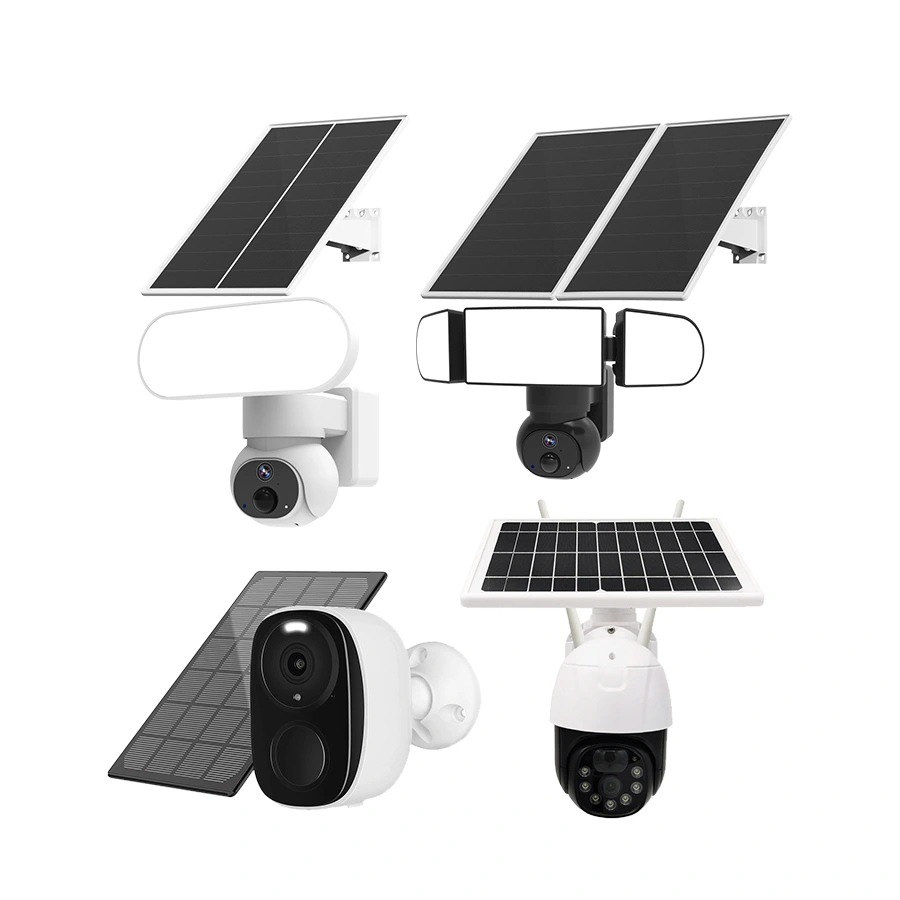
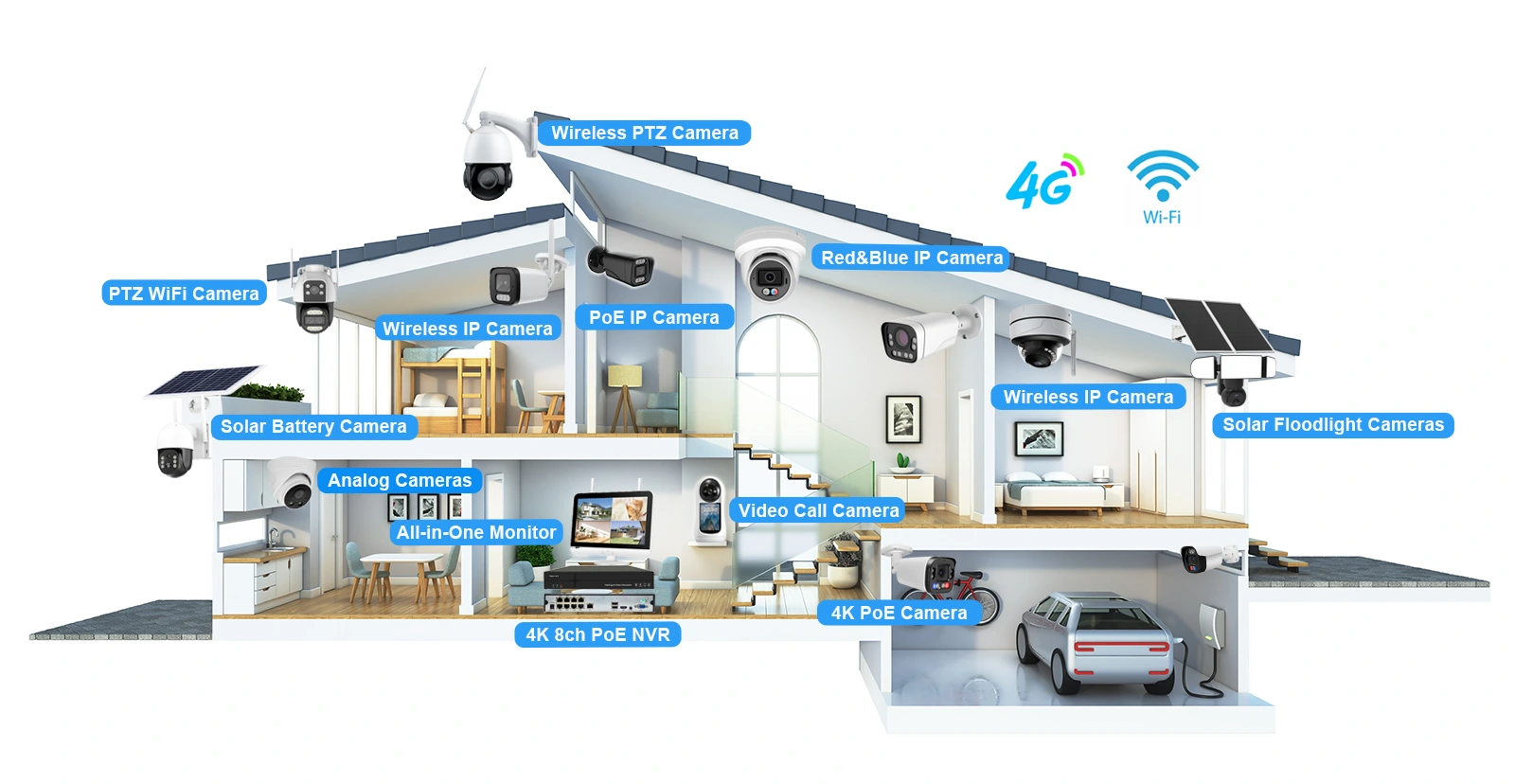
Solar battery camera products support low-power operation and offer both WiFi and 4G connectivity options, making them suitable for a wide range of remote monitoring applications. Understanding how to properly design and deploy an off grid solar security camera system can help organizations maximize performance, reliability, and return on investment.
Infrastructure Mapping for Off-Grid Sites
Before selecting equipment or calculating power requirements, businesses should develop a comprehensive understanding of the deployment environment. Infrastructure mapping serves as the foundation for every successful off-grid surveillance project.
Identifying Security Objectives
Every surveillance project starts with defining what the system is expected to protect. Different environments have different monitoring priorities. Construction sites may focus on preventing theft and unauthorized access, while agricultural operations may require perimeter monitoring across large areas. Industrial facilities often need surveillance around equipment, storage zones, and entry points.
Clearly defining objectives helps determine camera placement, communication requirements, and power demands. It also prevents oversizing or undersizing the surveillance system.
When planning an off grid solar security camera network, understanding operational goals ensures that every camera contributes meaningful coverage rather than creating unnecessary costs.
Evaluating Existing Infrastructure
Many remote sites have partial infrastructure rather than being completely isolated. Some locations may have intermittent cellular coverage, limited wireless networking, or temporary power access.
A site assessment should document:
- Available cellular signal strength
- Existing wireless communication assets
- Potential mounting locations
- Areas exposed to direct sunlight
- Physical obstructions that may affect surveillance coverage
This information helps determine whether an off grid solar security camera can operate independently or benefit from integrating with existing site resources.
Mapping Camera Locations
The placement of surveillance equipment directly impacts both security effectiveness and system efficiency.
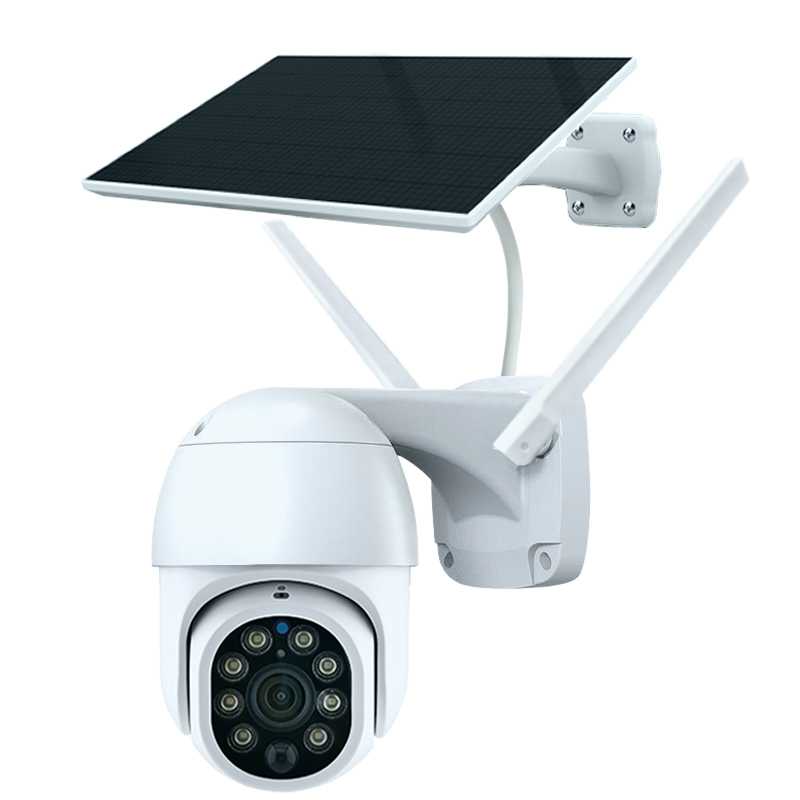
Bokysee solar battery cameras are designed for outdoor monitoring environments where traditional power and network infrastructure may not be available. Because these systems support wireless connectivity and solar-powered operation, camera placement can be determined primarily by security requirements rather than infrastructure limitations.
A carefully mapped deployment minimizes blind spots while ensuring that each off grid solar security camera receives sufficient sunlight exposure to maintain reliable operation.
Calculating Total System Power Consumption
Once infrastructure mapping is complete, the next step involves accurately estimating energy requirements. Power consumption calculations are critical because every aspect of the solar-powered surveillance system depends on available energy resources.
Understanding Camera Power Requirements
The camera itself represents the primary energy consumer within the system. However, power usage is influenced by several operational factors, including recording schedules, communication activity, intelligent detection functions, and environmental conditions.
Bokysee solar battery cameras are designed around low-power operation, which helps optimize energy utilization in off-grid environments. This design philosophy is particularly important because an off grid solar security camera must balance surveillance performance with available solar charging capacity.
Low-power architecture contributes to longer operational periods and improved energy efficiency.
Accounting for Communication Demands
Wireless communication often represents a significant portion of total system power consumption. Data transmission, remote access, and event notifications all require energy resources.
When deploying an off grid solar security camera, planners should consider how frequently data is transmitted and whether continuous connectivity is necessary. Communication requirements directly influence battery capacity and solar charging needs.
Systems operating in remote environments benefit from carefully balancing connectivity requirements with energy conservation strategies.
Building an Energy Budget
A comprehensive energy budget should consider all power-consuming components rather than focusing solely on the camera.
These may include communication modules, storage systems, control electronics, and intelligent monitoring functions. Creating an accurate energy profile allows organizations to properly size the solar and battery components that support the surveillance system.
Because every off grid solar security camera relies entirely on self-generated energy, accurate power calculations remain one of the most important design considerations in the planning process.
Your One-Stop OEM/ODM Security Partner
Sizing Solar Arrays and Lithium Battery Banks
After determining energy requirements, system designers can calculate the appropriate solar charging capacity and battery storage resources needed to maintain reliable operation.
Matching Solar Capacity to Operational Needs
Solar charging capacity must be sufficient to replenish the energy consumed by the surveillance system. The available sunlight at the deployment location plays a major role in determining the size of the solar array.
An off grid solar security camera installed in a region with consistent sunlight may require different solar capacity than one operating in areas with seasonal variations or extended periods of cloud cover.
Proper sizing ensures that batteries remain adequately charged while supporting uninterrupted operation.
The Importance of Battery Storage
Battery systems provide energy when solar generation is unavailable, such as during nighttime operation or periods of reduced sunlight.
Lithium battery technology is commonly used in solar-powered surveillance systems because it supports efficient energy storage and reliable performance. Since an off grid solar security camera depends on stored energy during non-charging periods, battery capacity becomes a critical factor in overall system reliability.
Adequate storage helps maintain surveillance continuity even when environmental conditions temporarily reduce solar charging efficiency.
Creating a Balanced Power Architecture
The most effective solar-powered surveillance deployments achieve balance between generation capacity and storage resources.
Oversized batteries with insufficient solar charging can create energy shortages, while excessive solar capacity may increase costs without providing proportional benefits. A properly engineered off grid solar security camera system aligns solar generation, battery storage, and operational consumption within a sustainable energy framework.
This balanced approach supports long-term performance while maximizing investment efficiency.
Wireless Backhaul: Cellular vs. Radio Links
Communication infrastructure represents another critical design decision in off-grid surveillance environments. Because remote locations often lack wired networking, wireless communication becomes essential for system operation.
Cellular Connectivity for Remote Monitoring
Cellular communication provides one of the most practical options for remote surveillance deployments. By leveraging existing mobile networks, organizations can establish connectivity without constructing dedicated communication infrastructure.
Bokysee solar battery cameras support 4G connectivity, allowing users to deploy surveillance systems in locations where traditional network access is unavailable.
For many applications, a cellular-enabled off grid solar security camera offers the simplest path to remote monitoring because communication services can be established wherever adequate cellular coverage exists.
Radio-Based Communication Networks
Some organizations choose radio-based communication links when multiple surveillance devices operate within a defined area.
Radio networks can provide localized communication pathways between monitoring points and centralized collection systems. In certain environments, these networks may reduce dependence on cellular providers while supporting site-specific communication requirements.
However, radio-based systems often require careful planning to ensure reliable coverage and line-of-sight communication.
Selecting the Right Communication Strategy
The optimal communication method depends on deployment objectives and site conditions. Cellular connectivity typically offers greater flexibility for distributed remote sites, while radio networks may be suitable for localized environments with centralized infrastructure.
Regardless of the chosen method, maintaining reliable communication is essential for ensuring that every off grid solar security camera can effectively support security operations and remote monitoring requirements.
Edge Intelligence and Local Data Redundancy
Modern surveillance systems increasingly incorporate intelligent processing capabilities that improve operational efficiency while reducing unnecessary data transmission.
Intelligent Detection at the Edge
Advanced surveillance technologies allow cameras to analyze events locally rather than transmitting all captured footage for centralized processing.
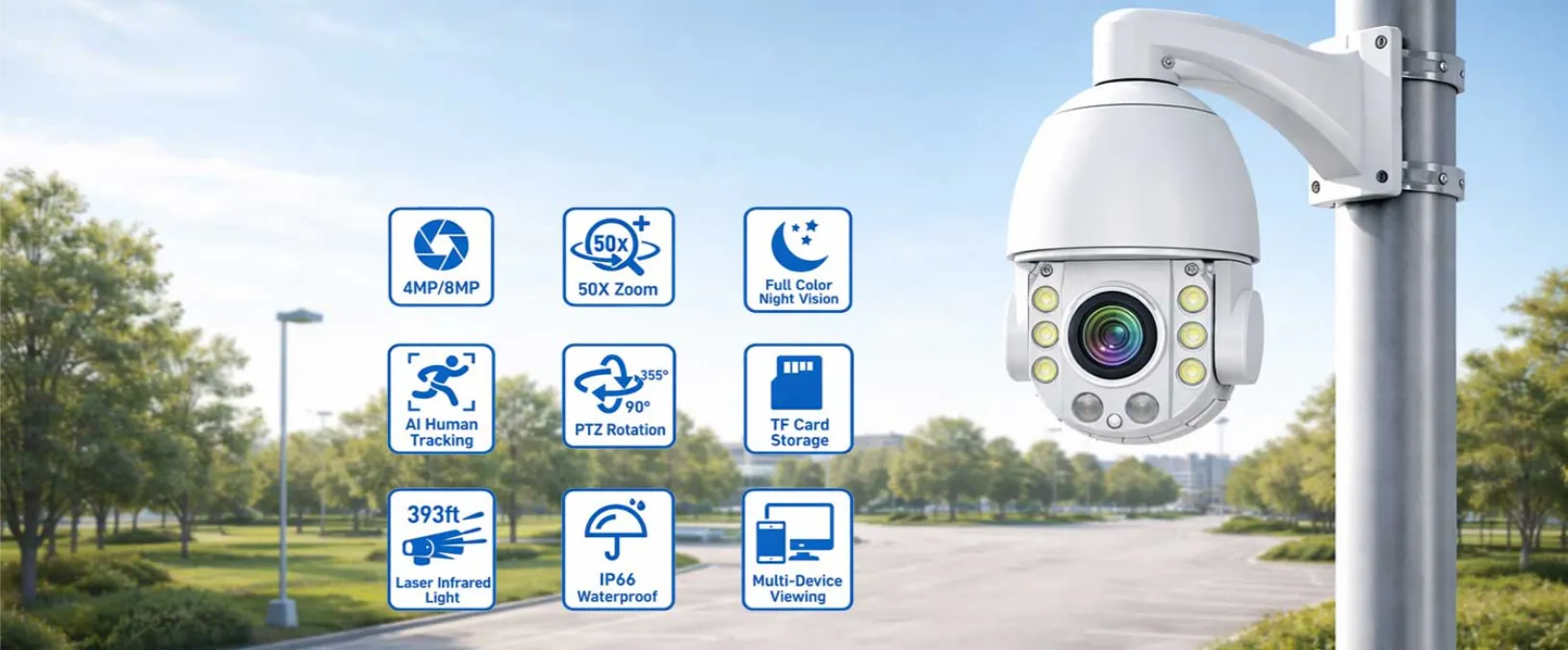
Bokysee offers solar-powered surveillance solutions with AI detection capabilities, enabling more efficient monitoring in remote environments. By processing relevant events directly within the surveillance system, an off grid solar security camera can reduce communication demands while improving the quality of security alerts.
This approach supports more efficient use of available bandwidth and energy resources.
Reducing Communication Overhead
Remote surveillance locations often face bandwidth limitations. Transmitting continuous video streams can increase communication costs while placing additional demands on system power resources.
Edge intelligence allows an off grid solar security camera to focus on relevant security events rather than continuously transmitting large amounts of data. This strategy improves operational efficiency while supporting long-term sustainability.
Supporting Data Availability
Local data storage can provide an additional layer of protection for surveillance operations. Maintaining recordings within the camera system helps preserve important information even when communication links experience temporary interruptions.
Data redundancy contributes to overall system resilience and helps ensure that surveillance records remain available when needed.
As remote security deployments continue to evolve, intelligent processing and local storage capabilities are becoming increasingly important features within the modern off grid solar security camera ecosystem.
Climate-Resistant Structural Enclosure Rules
Environmental exposure presents unique challenges for solar-powered surveillance systems. Unlike indoor equipment, outdoor installations must withstand changing weather conditions while maintaining reliable performance.
Addressing Environmental Exposure
Remote surveillance deployments often operate in demanding conditions that include sunlight, temperature fluctuations, wind, rain, and airborne contaminants.
An off grid solar security camera should be installed within a structural framework capable of supporting long-term outdoor operation. Mounting systems, protective housings, and equipment positioning all contribute to environmental durability.
Careful planning helps reduce exposure-related risks while supporting consistent system performance.
Protecting Critical Components
Solar charging systems, battery storage units, communication modules, and camera hardware all depend on adequate physical protection.
Environmental considerations should influence equipment placement and enclosure design from the earliest stages of project planning. A properly protected off grid solar security camera is better positioned to maintain reliable operation throughout its service life.
Supporting Long-Term Reliability
Environmental resilience directly influences ownership costs. Equipment that remains protected from harsh conditions generally requires fewer maintenance interventions and experiences less operational disruption.
For this reason, climate-resistant design should be viewed as an essential component of every off-grid surveillance strategy rather than an optional enhancement.
Surge Protection for Standalone CCTV Nodes
Electrical protection is another important consideration when deploying remote surveillance systems. Even though solar-powered installations operate independently from the utility grid, they remain vulnerable to electrical disturbances.
Understanding Electrical Risks
Outdoor surveillance equipment may encounter electrical anomalies resulting from environmental conditions and external influences.
Because an off grid solar security camera integrates multiple electronic systems, protecting these components helps preserve operational continuity and reduce the likelihood of equipment damage.
Electrical protection strategies should be incorporated into the overall system design rather than added as an afterthought.
Protecting Solar and Battery Systems
Solar charging equipment and battery systems represent essential elements of the surveillance infrastructure. Damage to these components can compromise system operation and create costly downtime.
Protective measures designed to support electrical stability contribute to the long-term reliability of an off grid solar security camera deployment and help protect investments in surveillance infrastructure.
Building Resilient Surveillance Networks
Reliability is one of the primary objectives of any security system. Effective surge protection supports this goal by helping maintain operational continuity under challenging conditions.
When combined with proper energy management, environmental protection, and communication planning, electrical protection measures contribute to a more resilient and dependable surveillance solution.
Final Thoughts
Designing a successful off-grid surveillance system requires careful planning across multiple disciplines, including site assessment, energy management, wireless communications, environmental protection, and long-term reliability. Every component must work together to support sustainable operation in locations where conventional infrastructure is unavailable.
Bokysee’s solar battery camera solutions are specifically designed for off-grid environments, supporting low-power operation and flexible connectivity through WiFi and 4G networks. With proper planning and system design, an off grid solar security camera can deliver dependable, scalable, and cost-effective security monitoring across a wide range of commercial and industrial applications.
Frequently Asked Questions
What is an off grid solar security camera?
An off grid solar security camera is a surveillance system that operates independently of traditional electrical infrastructure by using solar energy and battery storage to power monitoring functions.
Where are off grid solar security cameras commonly used?
They are commonly deployed at construction sites, farms, industrial facilities, utility assets, warehouses, infrastructure projects, and other locations where power or network access may be limited.
Does an off grid solar security camera require internet access?
Not necessarily. Depending on the deployment design, connectivity may be provided through WiFi, 4G cellular networks, or other wireless communication methods.
How does Bokysee support off-grid security deployments?
Bokysee offers solar battery camera solutions designed for locations without available power or network infrastructure. Its products support low-power operation and provide WiFi and 4G connectivity options for flexible remote monitoring applications.





 English
  Spanish
  Russian