Skip to content

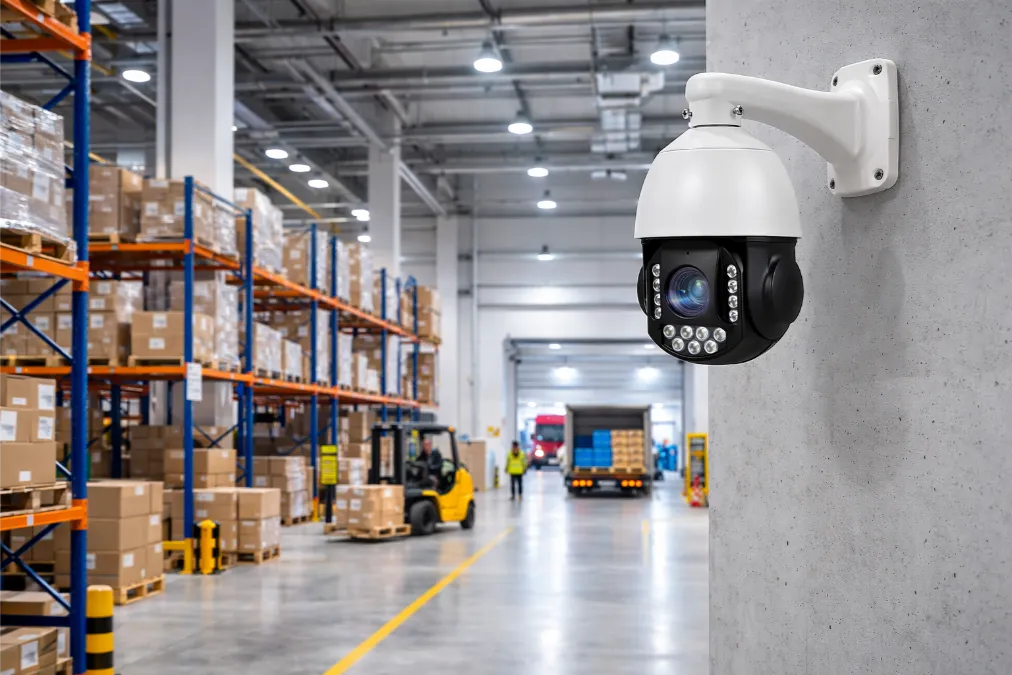
A camera designed for an office may not suit a freezer. Cold storage can expose equipment to low temperatures, condensation, and challenging lighting. These conditions may affect startup, image clarity, and reliability. Refrigerated rooms, freezer areas, and loading zones should each be assessed for their actual operating conditions.
Choosing security cameras for cold storage means buying for those conditions, not for a warm warehouse. The temperature rating, the housing, and the mounting all matter before the resolution does, because a frozen or fogged camera records nothing no matter how sharp it is. Environmental suitability comes first, followed by lens selection, lighting, and recording settings.
Cold-storage camera selection involves temperature limits, moisture protection, image quality, and installation planning. Manufacturer specifications and sample testing help buyers assess whether a model suits the intended location before placing a bulk order.
Why Cold Storage Requires Specialized Security Cameras
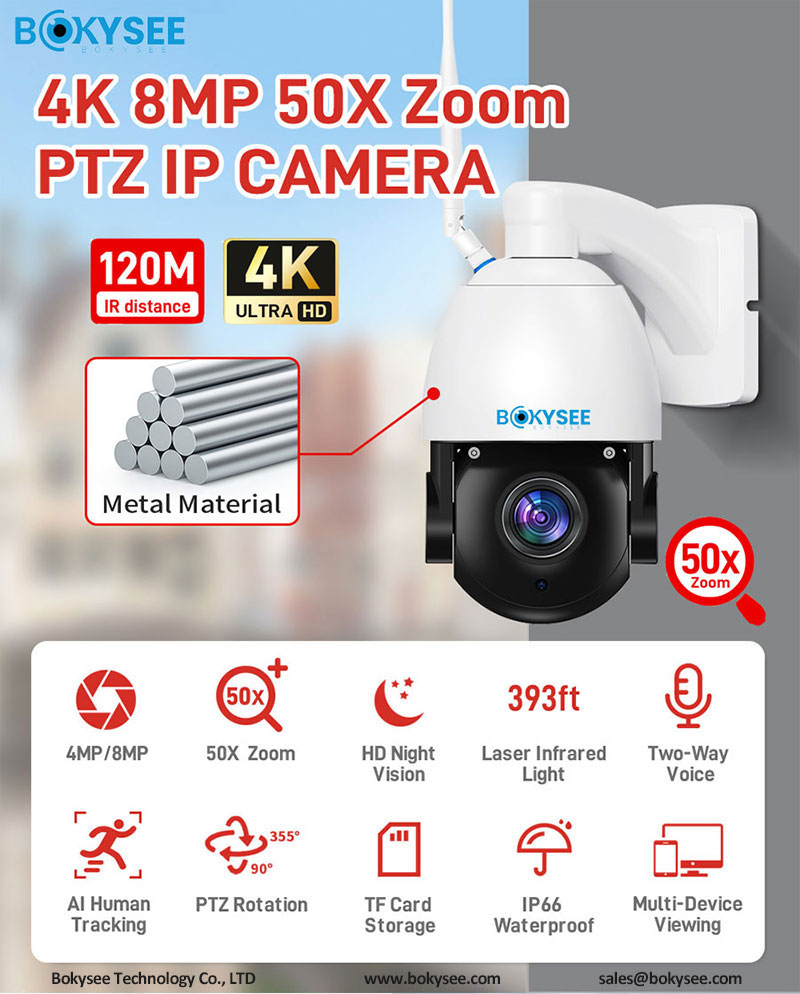
Cold storage combines low temperature, moisture, and poor lighting, and each of those attacks the camera in a different way.
Low Temperatures and Electronic Component Performance
Electronics slow down and behave differently as the temperature drops, and parts rated for room temperature can fail to start or lock up in the cold. The cold chain runs at temperatures that ordinary cameras were never specified for. The unit temperature range is the first spec to check, and it should cover the coldest part of the cycle with room to spare.
Condensation During Temperature Changes
Condensation is the bigger killer, not the cold itself. When a door opens and warm, humid air meets a cold camera, moisture forms on the lens and inside the housing. A camera that cannot handle that cycle fogs over or corrodes, and the image degrades just when an incident is most likely, which is why sealing matters more than the cold rating.
Limited Lighting and Reflective Surfaces
Cold rooms are lit for staff, not for cameras, and the walls, floor, and packaging are often reflective. That combination produces glare and dark corners. A camera needs strong low-light performance and a position that avoids shiny surfaces, which can bounce the light back and wash out the picture. A small change in angle often fixes what a better sensor cannot.
Key Features for Cold Storage Security Cameras
Look for a real operating-temperature range, a sealed housing, and low-light capability before anything else.
Operating Temperature Range
The camera specification lists an operating range, and the cold-room temperature must sit inside it with margin. A unit rated to 0 degrees Celsius is not a freezer camera, and one rated below the room temperature leaves headroom for the cold side of the cycle. Checking this single number eliminates most unsuitable units, and it should be read from the spec sheet rather than assumed from the marketing.
Housing Protection and Moisture Resistance
IP66 indicates a dust-tight enclosure with protection against powerful water jets under specified test conditions. It does not establish resistance to internal condensation. IP67 addresses temporary immersion and should not be treated as proof of water-jet resistance without additional certification. Where wash-down cleaning is used, the camera must also suit the actual water pressure, temperature, and cleaning chemicals.
Low-Light Performance and Image Clarity
Cold rooms are dim, so the camera needs good low-light handling and a lens that matches the aisle width and distance. The lens choice decides whether a face or a label is readable at the far end, and the trade-offs are covered in our guide to choosing a security camera lens focal length. A wider lens on a short aisle captures more than a long lens aimed down a narrow one.
Cable, Connector and Power Reliability
Low temperatures can make unsuitable cable jackets brittle, while repeated temperature changes can stress connections. PoE IP cameras carry power and video over one Ethernet cable, reducing the need for separate power wiring. Cables, connectors, and sealed glands should also be rated for the cold-room environment. Their installation deserves the same attention as the camera itself.
Where to Install Cameras in Cold Storage Facilities
Place cameras at the doors, the handling zones, and the aisles where inventory moves, not just where it is easiest to mount.
Cold Rooms and Freezer Areas
Inside the room, aim the camera down the aisles and at the entry, where every pallet and person passes. Keep the lens away from door drafts. A camera mounted in the air path of a frequently opened door sees the worst of the condensation cycle, and that spot is most likely to fog over.
Loading Docks and Temperature Transition Zones
The dock and the transition zone between warm and cold see the most rapid temperature swings, so they need the best sealing. This is where a camera fogs fastest, and it is also where product moves through the door, so coverage here is worth the extra care.
Storage Aisles and Inventory Handling Areas
Aisles and picking zones are where shrink and mishandling happen, and a camera down each aisle captures the evidence. Position them to read labels and faces where staff work, and avoid looking straight down a reflective floor, which reflects the lighting back into the lens and hides the detail you need.
External Entrances and Perimeter Areas
The outside of the facility still needs coverage, and here the camera faces the opposite problem: heat and sun rather than cold. Choose outdoor units for the perimeter and keep the cold-rated units inside. No single camera is ideal for both, and a unit optimized for the freezer will be overbuilt and overpriced on a sunlit wall.

Fitting out a cold store or cold chain? Bokysee supplies cameras and recorders for demanding environments, with bulk pricing for OEM and ODM projects.
Explore OEM/ODM Solutions →How to Plan a Cold Storage Camera System
Plan the placement, the condensation control, and the cabling together, because they interact.
Choosing Camera Locations and Viewing Angles
Walk the room with the cold airflow in mind, and put each camera where it sees the traffic without sitting in a draft or a wash zone. A short aisle needs a wide view and a long one needs a tighter lens, while the angle should keep glare out of the picture. The placement is chosen for the room, not copied from a warm warehouse plan.
Managing Condensation and Temperature Transitions
Mounting away from doors and letting the camera acclimatize slowly reduces fogging, but the real answer is a sealed, heated or moisture-resistant housing. Plan for the door cycles the site actually has, because a camera that survives a steady freezer can still fog when the dock door stays open and the warm air floods in.
Planning Cabling, Network and Power
Route cable through sealed entry points and leave slack for cold contraction, and choose connectors rated for the environment. Power over Ethernet keeps the cable count down, which means fewer joints in the cold and fewer places for moisture to enter. A single run that can be pulled and replaced without disturbing the insulation is the ideal layout, and it is worth planning before the walls are sealed.
Recording, Storage and Remote Monitoring
Cold-storage sites often run around the clock, so recording schedules and storage capacity should match their monitoring needs. Remote access lets a manager review footage from an office without entering the freezer. When comparing recorders, Best NVR Camera Systems: Features and Buying Tips explains the features to consider, including camera compatibility, storage capacity, and remote access.
What to Check Before Purchasing
Verify the temperature spec and the housing rating against the real room conditions, then test a unit before committing.
Verifying the Manufacturer Temperature Specifications
The operating range on the spec sheet should cover the coldest part of the cycle with margin. The startup temperature matters too, because a camera that records once running may not start after a cold soak. Ask for the full range, not a single headline number, and check it against the room actual low point.
Reviewing IP Ratings and Housing Materials
Check the IP rating and the housing material together, because a high rating on a brittle plastic housing is no help if the plastic cracks in the cold. Metal housings with sealed gaskets are the safer bet, and the rating should match the wash-down routine. The two specs work as a pair, and reading only one gives a false sense of safety.
Testing Image Quality in Actual Conditions
A warm-room demonstration alone does not establish freezer suitability. Manufacturer environmental test results should be reviewed alongside a site trial where practical. Sample testing should cover representative door cycles, lighting, and temperature changes. A short trial can reveal early issues, but it does not establish long-term reliability.
Confirming Maintenance and Warranty Coverage
Cold rooms make maintenance harder, so ask what the warranty covers and how a failed unit is replaced. A supplier that swaps a unit quickly keeps the room covered, and that support is worth more than a slightly cheaper camera with a slow return path. The time the room is unprotected during a failure is itself a cost, and it is rarely printed on any quote.
For outdoor cold, the winter performance guide on whether solar cameras work in winter covers the other half of the temperature question.
Frequently Asked Questions About Cold Storage Security Cameras
Can security cameras operate inside a freezer?
Yes, if they are rated for the temperature. A freezer needs a camera whose operating range covers the cold side of the cycle, with a sealed housing to keep condensation out of the electronics.
What temperature can outdoor security cameras withstand?
It depends on the model, and the specification sheet lists an operating range. A camera for a cold room must sit inside that range with margin, while outdoor units are usually rated for a wider span of heat and cold.
Does condensation affect security camera performance?
Yes. Moisture forms on the lens and inside the housing when warm air meets a cold camera, fogging the image and eventually corroding the board. Sealed, moisture-resistant housings are the main defense.
Do cold storage cameras need special housings?
Usually, yes. A housing rated IP66 or higher resists moisture and wash-down water, and metal housings with sealed gaskets hold up better than brittle plastic in the cold.
Can standard IP cameras be used in cold rooms?
Only if their operating temperature and housing rating cover the conditions. A standard indoor camera usually lacks both, and it will fog or fail when the room drops below its rated range.
How should cameras be installed in temperature-controlled facilities?
Mount them away from door drafts and wash zones, route cables through sealed entry points with slack for contraction, and let the unit acclimatize slowly to reduce fogging. Testing a sample in the actual room is the surest check.
Final Thoughts
Cold storage breaks cameras through temperature, condensation, and poor light, and the fixes are chosen before the camera is mounted. A unit with the right temperature range and a sealed housing survives the room. One chosen on price alone becomes a maintenance problem within a year, and the replacement cycle starts all over again.
Confirm the operating range, the housing rating, and the condensation plan before you buy, then test a sample in the real room. Bokysee builds cameras for demanding environments, with OEM and ODM options for cold-storage projects. Tell us your cold-room conditions for a camera rated to match.






 English
 Spanish
 Russian