Ir al contenido
Understanding how do solar security cameras work dictates whether your off-grid deployment achieves continuous uptime or succumbs to expensive battery failures. Without a precise grasp of off-grid power management, scaling remote surveillance introduces massive security liabilities and ongoing maintenance bottlenecks.
This analysis benchmarks hardware performance against modern off-grid standards. We evaluate 15 to 22 percent panel efficiency rates, charge controller voltage matching, and high-capacity lithium-ion retention to help you secure a stable, round-the-clock surveillance infrastructure.
The Three Pillars: Panel, Battery, and Camera
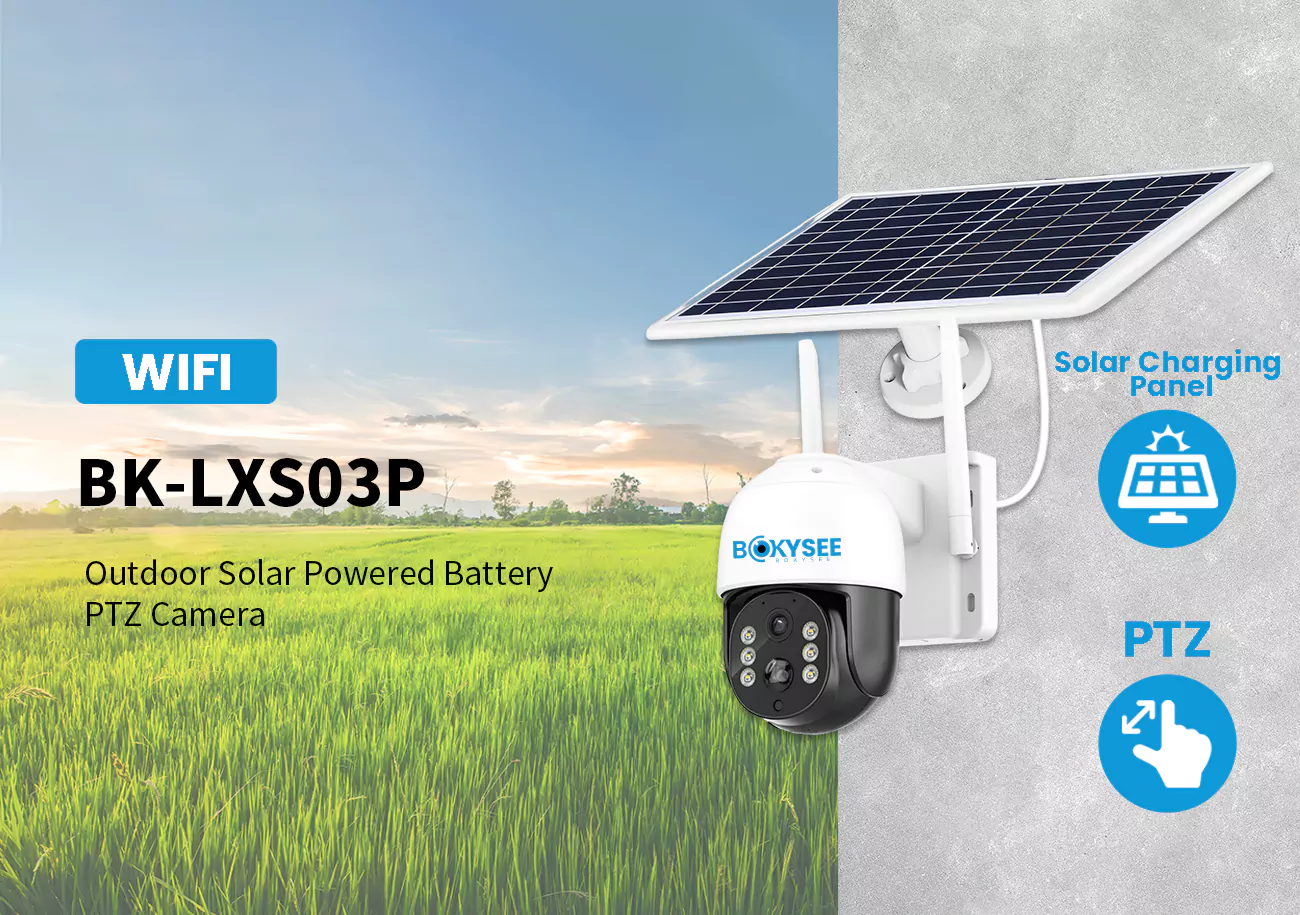
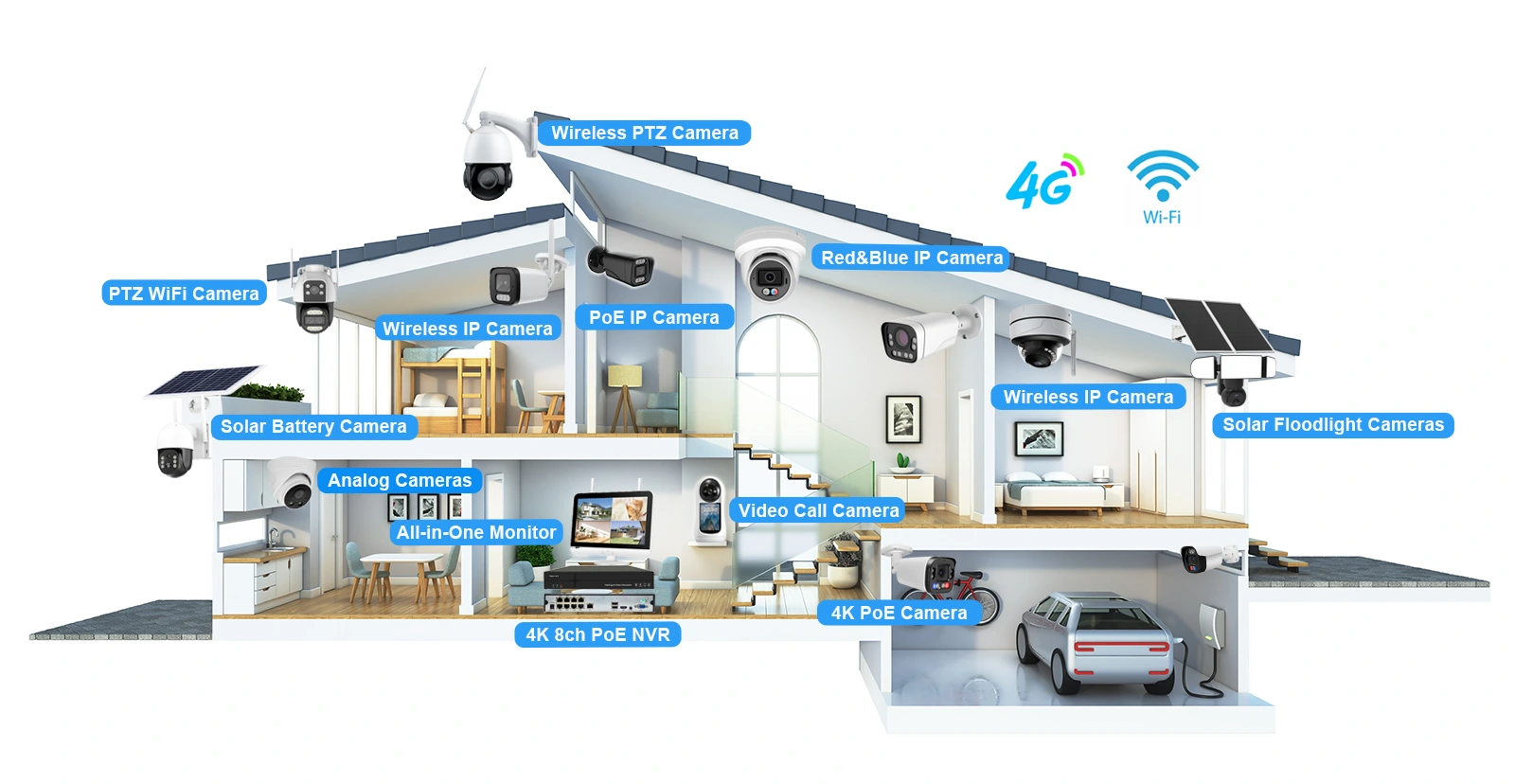
Solar security cameras rely on a unified system: photovoltaic panels collect energy, lithium-ion batteries store it, and smart camera hardware executes continuous surveillance without wired power grids.
| Pillar | Primary Function | Key Components |
|---|---|---|
| Energy Collection | Converts sunlight into DC electricity | Photovoltaic silicon cells, adjustable mounting brackets |
| Battery Storage | Stores energy for off-grid operation | High-capacity lithium-ion rechargeable cells |
| Camera Hardware | Captures footage and transmits data wirelessly | Motion sensors, IR/LED night vision, Wi-Fi/4G modules |
Energy Collection and Battery Storage Systems
The foundation of any off-grid surveillance system starts with its power generation and storage capabilities. Solar panels harness sunlight through photovoltaic cells, instantly converting that light into direct current (DC) electricity. Installers use adjustable mounting brackets to angle these panels precisely, maximizing sun exposure and overall charging efficiency throughout the day. Even when weather conditions deteriorate, these panels continue to work. They absorb diffused sunlight during cloudy periods to maintain continuous, baseline operation.
Because solar generation stops at night, the system pushes all excess daytime power into an integrated storage unit. We rely on lithium-ion rechargeable batteries to handle this demanding daily cycle. These power banks dictate how well the system performs during extended low-light periods.
- Continuous Operation: Lithium-ion batteries store converted solar energy specifically for nighttime and low-light surveillance.
- Outage Resilience: High-capacity battery models support 24-hour recording during extended cloudy periods or unexpected power outages.
Camera Hardware and Network Integration
The camera unit executes the actual security function, drawing power directly from the battery reserves. To keep these systems running indefinitely without a physical grid connection, manufacturers design the hardware specifically for power efficiency. Surveillance units primarily capture motion-activated video. This approach conserves stored battery power and drastically extends operational life compared to continuous recording models.
Modern hardware integrates multiple features to guarantee performance in any outdoor environment:
- Night Vision Capabilities: Infrared and white light-emitting diodes (LEDs) provide clear footage in total darkness.
- Wireless Transmission: Built-in transmitters send audio and video via Wi-Fi or cellular 4G networks, entirely replacing hardwired Ethernet cables.
- Power Conversion: Integrated inverters convert direct current solar power to alternating current electricity to charge internal camera batteries.
- Environmental Protection: Heavy-duty waterproof casings shield all internal electronics from rain, dust, snow, and direct sun exposure.
How Photovoltaic Cells Convert Sunlight to DC Power
Photovoltaic cells harness sunlight through a structured silicon PN junction, exciting electrons to generate a steady direct current that powers off-grid hardware.
Silicon Layers and Cell Structure
Photovoltaic panels rely on semiconductor materials to capture incoming light. Manufacturers engineer these cells into precise functional layers to control how electrical charge moves and accumulates.
- Semiconductor Core: Silicon layers absorb photon energy directly from sunlight to initiate electron excitation.
- The PN Junction: A structural pairing combines positively charged boron-doped layers with negatively charged phosphorus-doped layers to build a permanent internal electric field.
- Metal Contacts: Conductive metal electrodes line the cell to capture the freed electrons and route them outward into an external circuit.
The Sunlight Conversion Sequence
The conversion from raw sunlight to usable electricity happens continuously as long as light hits the panel array.
- Photon Impact: Sunlight strikes the silicon cells, transferring photon energy directly to atoms and knocking electrons loose from their bonds.
- Directional Flow: The built-in electric field forces these loose electrons toward the metal contacts in a specific, uniform direction.
- DC Output: Electrons flow through the circuit as direct current (DC) electricity to operate connected devices or charge onboard batteries for continuous operation.
Scale Your Security Business with Custom CCTV
Energy Storage: Why Lithium-ion Matters
Lithium-ion batteries deliver the high energy density and fast recharge rates required to run cámaras de seguridad solares round-the-clock, even during prolonged cloudy weather.
How Lithium-ion Batteries Power Solar Cameras
Lithium-ion batteries act as the central power reservoir for off-grid surveillance. Their superior chemical makeup allows manufacturers to build compact camera housings without sacrificing operational capacity or recording quality.
- High Energy Density: Stores enough power in a small footprint to sustain continuous operation, HD video recording, and night vision.
- Rapid Recharging: Captures and stores energy quickly from intermittent or partial sunlight to keep the system functional.
- Charge Retention: Retains up to 90% of stored power during periods of low activity, ensuring the camera stays active during long stretches of bad weather.
Extending Battery Life and Reliability
Hardware placement and system configuration dictate how long your battery lasts in the field. You can protect your lithium-ion reserves by optimizing how the system gathers and spends energy.
- Panel Positioning: Point solar panels south at a 30 to 45-degree angle. This orientation captures optimal sunlight for daily battery top-ups.
- Power Management: Pair lithium-ion setups with motion sensors to limit unnecessary energy drain. This reserves power for critical functions like infrared LEDs during nighttime monitoring.
Daytime Charging vs. Nighttime Monitoring
Cámaras de seguridad solares need 2-4 hours of daily sunlight to charge lithium-ion batteries, ensuring continuous infrared night vision and motion-activated recording in total darkness.
How Solar Panels Harvest Daylight
Solar security cameras depend heavily on the photovoltaic effect to operate independently from the power grid. The external panels convert raw sunlight directly into usable DC electricity, immediately feeding the internal high-capacity lithium-ion batteries. To maintain continuous operation, these panels require just two to four hours of direct peak sunlight each day.
Installers use adjustable mounting brackets to tilt the panels toward the sun’s exact trajectory. This precise positioning maximizes direct light exposure and accelerates the charging cycle, ensuring the system builds a full energy reserve well before sunset.
Powering Night Vision and Motion Detection
When the sun sets, the camera shifts entirely to the energy banked inside its battery. This stored power drives the unit’s infrared sensors or white LED lights, allowing the system to capture clear, high-definition footage even in total darkness.
Active night vision draws heavy power, so manufacturers design these units with intelligent motion detection to manage the electrical load. The camera remains in a low-power sleep state and triggers active recording only when sensors detect physical movement. This targeted operation prevents severe battery drain and keeps the surveillance feed online until sunrise begins the charging cycle again.
Efficiency Factors: Shade, Angle, and Weather
Shade, mounting angle, and weather directly control your solar camera’s uptime. Proper positioning and high-capacity lithium-ion batteries guarantee 24/7 surveillance, even in poor conditions.
Positioning Panels for Optimal Sunlight Capture
To keep your security cameras running continuously, the photovoltaic cells need direct access to the sun. Even partial shading from a nearby tree branch or building drastically cuts energy production. You must position your hardware to maximize exposure.
- Clear Line of Sight: Install panels away from trees, buildings, and other obstructions to block shadows during peak midday hours.
- Angle Adjustment: Adjust panel brackets to match the local latitude, capturing the sun’s shifting path across summer and winter.
- Exposure Targets: Aim for 2 to 6 hours of direct peak sunlight daily to keep the security camera running continuously.
- Material Selection: Select monocrystalline panels to generate steady power even when partial shading occurs.
Managing Weather and Temperature Variations
Environmental extremes test the limits of off-grid surveillance. Cloud cover, snow, and freezing temperatures reduce both sunlight intensity and battery efficiency. You need proactive hardware and software strategies to maintain uptime when the weather turns bad.
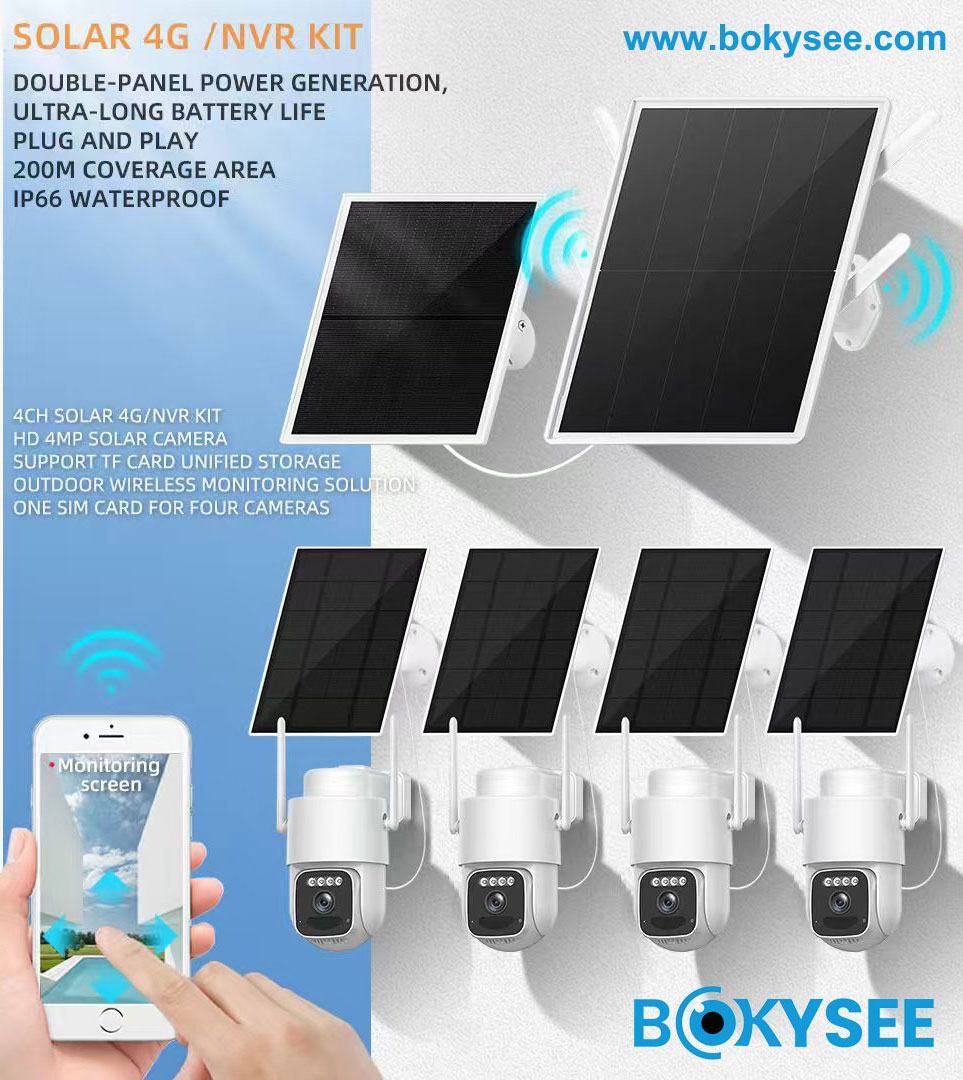
- Energy Storage: Pair the system with high-capacity lithium-ion batteries to maintain charge through cloudy or rainy days.
- Winter Protection: Insulate and weatherproof the setup to protect battery life from freezing winter temperatures.
- Physical Maintenance: Wipe away dust, snow, and dirt regularly so the photovoltaic cells absorb maximum light.
- Software Optimization: Activate H.265 compression and AI motion detection on 2026 camera models to conserve power during poor weather.
The Role of the Controller in Power Management
The solar charge controller acts as the central regulator, optimizing power flow between the panel, battery, and camera to ensure reliable, continuous surveillance.
Primary Functions of the Controller
Without a controller, raw solar energy fluctuates and can quickly destroy a battery or camera circuit. This device acts as the gatekeeper, managing the unpredictable input from solar panels to protect your hardware.
- Voltage and Current Regulation: The controller monitors and adjusts variable voltage and current from the solar panel to deliver stable battery power.
- Overcharge and Over-Discharge Protection: The device cuts off power when the battery reaches full capacity and stops discharge when voltage drops too low.
- Load Management: The controller prioritizes power delivery directly to the camera while safeguarding the battery for features like motion-activated recording.
System Integration and Sizing Criteria
A controller only performs well if you size it correctly and wire it in the exact right order. Installers must follow strict guidelines to prevent system failure and maximize efficiency across the surveillance setup.
- Wiring Sequence: Installers connect the battery first, followed by the solar panel, and finally the camera to the load terminals.
- Current Rating Selection: The controller’s current rating must exceed the solar panel’s short circuit current by a safety factor, such as a 10A/12V controller for 8A panels.
- Voltage Matching: All components, including the panel, controller, and battery, require the same nominal voltage to operate efficiently.
WiFi vs. 4G Transmission Modes
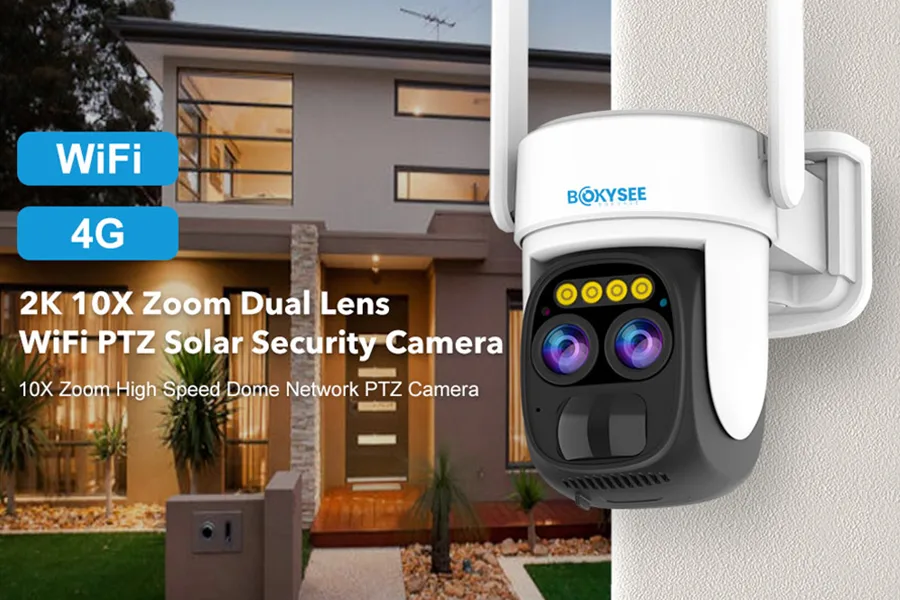
WiFi offers cost-effective, low-power connectivity for established sites, while 4G delivers independent surveillance for remote locations at the expense of higher power draw and data fees.
Network Range and Battery Drain Comparison
WiFi security cameras depend on a nearby, stable router signal. This restricts them to locations with existing network coverage. 4G models bypass this limitation entirely. They use cellular networks to establish secure connections at remote job sites or off-grid areas lacking basic infrastructure.
Your transmission mode directly impacts your hardware requirements. Cellular connectivity pulls significantly more power for continuous network registration and signal negotiation. To handle this aggressive energy draw, 4G systems require much larger solar panels and higher-capacity battery banks than their energy-efficient WiFi counterparts.
Deployment Scenarios and Ongoing Expenses
For homes and small businesses with established internet, WiFi cameras make the most financial sense. You tap into an existing network, avoiding recurring data fees and keeping your long-term operational costs at an absolute minimum.
Isolated environments require a different approach. Farms, barns, and construction sites rely heavily on 4G cameras for independent, wire-free access. You trade the ongoing cost of a monthly cellular data plan for the ability to deploy reliable surveillance anywhere with a cell signal.
Future of Solar CCTV: AI and High Efficiency
AI chips and highly efficient solar panels transform passive cameras into proactive security networks capable of real-time threat detection and reliable off-grid energy autonomy.
Artificial Intelligence for Threat Detection
We are moving past passive recording into active intervention. Deep learning and onboard analytics process video locally in real time. These systems distinguish actual threats, like humans or vehicles, from environmental noise to drastically reduce false alarms.
This shift directly lowers operational overhead. Facilities integrating AI video analytics with existing IP-based setups keep hardware costs low while achieving massive performance gains. The metrics and hardware driving this change include:
- Response Time: Improves incident response times by over 90%.
- Labor Reduction: Cuts manual monitoring needs by 80%.
- Processing Hardware: Modern chips like Nvidia’s Blackwell Ultra and late-2026 Rubin models handle predictive maintenance and active deterrence tasks directly on the camera.
Energy Optimization in Off-Grid Systems
Running powerful AI on solar power requires aggressive energy management. Smart systems optimize background tasks to preserve battery life. This intelligent power routing ensures cameras maintain reliable person and vehicle detection without draining available power reserves.
Manufacturers achieve energy autonomy by pairing high-capacity battery storage with advanced solar panels operating at 15% to 22% efficiency. This combination overcomes low-sun periods, allowing scalable deployment across vast agricultural lands or remote solar farms. To secure these large off-grid areas, hardware components operate at peak efficiency using specific optimized technology:
- Thermal Cameras: Provide reliable low-light recording with minimal power draw.
- High-Resolution IP Sensors: Capture detailed imaging for positive identification without wasting bandwidth.
- Advanced Perimeter Sensors: Secure large physical boundaries before intruders reach critical zones.
Preguntas frecuentes
How are solar security cameras powered?
Solar security cameras use photovoltaic panels to convert sunlight into direct current (DC) electricity. This electricity powers the camera directly while simultaneously charging built-in rechargeable lithium-ion batteries. During cloudy weather or at night, the camera draws energy from these stored batteries to maintain uninterrupted surveillance without external wiring.
How do they work at night?
At night, solar cameras rely entirely on the energy stored in their rechargeable batteries from daytime sunlight. They utilize infrared (IR) technology to capture clear black-and-white footage in total darkness, and many models include white LEDs for visión nocturna en color. Most units activate recording only when motion sensors detect activity, which conserves battery energy.
How long can they last without sun?
A fully charged cámara de seguridad solar operates for one to several days without direct sunlight, depending on battery capacity and activity levels. Entry-level models featuring 3,000 to 5,000 mAh batteries generally last one to two days. High-end units with larger batteries exceeding 6,000 mAh provide several days of runtime. Using motion-activated recording significantly extends this operational period during prolonged overcast weather.
Do they need internet?
You can operate the core functions of a solar security camera without an internet connection. The camera still detects motion, captures video, and saves footage directly to local storage devices like microSD cards. You only need a Wi-Fi or cellular network connection to access remote live streaming, receive real-time mobile alerts, or send footage to cloud storage.
Will they lose power often?
System shut-offs rarely occur when users match the battery capacity and solar panel size to their specific geographic conditions. High-capacity batteries provide reliable energy storage to sustain operations through multiple cloudy days. Users prevent power loss by placing panels in locations that receive four to six hours of direct sunlight daily and enabling energy-saving modes.
Are they suitable for long-term installation?
These cameras serve as excellent long-term security solutions, particularly in remote, off-grid, or wire-inaccessible locations. Manufacturers build them with rugged, weatherproof housings rated IP65 or higher to withstand rain, snow, dust, and UV exposure over years of use. Their self-charging design requires very low maintenance, usually limited to occasional panel cleaning and battery replacements every two to five years.
Reflexiones finales
While generic solar cameras offer lower upfront costs, integrating high-capacity lithium-ion storage with intelligent charge controllers is the only way to safeguard remote sites against sudden power failures. Relying on sub-standard hardware leaves your clients vulnerable to critical blind spots during extended bad weather. You must prioritize component efficiency and weatherproofing to guarantee true autonomous surveillance in any environment.
Don’t guess on hardware reliability—verify it in the field. We recommend starting with a sample order to test the battery retention and infrared capabilities firsthand. Contact our team to discuss OEM specifications and secure the exact 4G or WiFi configurations for your next large-scale deployment.







 Spanish
  English
  Russian