 Skip to content
Procuring an explosion proof camera dictates whether a volatile industrial site passes regulatory scrutiny or triggers a catastrophic ignition event. Relying on standard industrial CCTV in Zone 1 or Division 1 atmospheres introduces uncontained electrical sparks directly into combustible environments. Without certified flameproof housings to absorb internal pressure, facility operators face severe OSHA penalties, voided insurance policies, and immediate operational shutdowns.
This analysis benchmarks modern surveillance models against strict ATEX and IECEx containment standards. We evaluate 316L stainless steel anti-corrosion metrics and 8MP optical zoom performance to help you secure a compliant, hazard-free deployment across chemical plants and offshore platforms.
What Is an Explosion Proof Camera and How Does It Work?
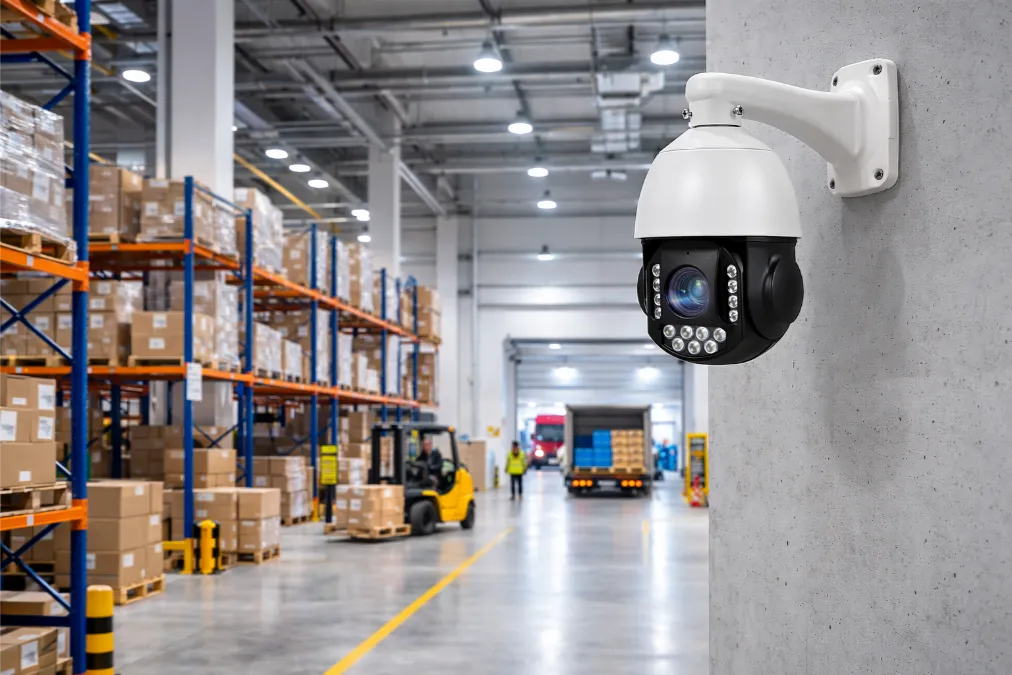
Explosion-proof cameras keep internal electrical sparks from igniting flammable gases and dust outside the device, making them mandatory for high-risk industrial zones.
Definition of explosion proof camera
Engineers design these specialized surveillance devices specifically for hazardous environments containing flammable gases, vapors, or combustible dust. The primary goal is simple: prevent any internal sparks, arcs, or heat from igniting the surrounding atmosphere. Manufacturers build these reinforced enclosures from heavy-duty stainless steel or aluminum. This flameproof construction safely contains any internal ignition rather than letting it escape.
Modern units combine this heavy-duty protection with high-performance imaging technology. Key features include:
- High Resolution: 4K ultra HD capabilities for detailed site monitoring.
- Night Vision: Infrared (IR) ranges up to 30 meters in zero-light conditions.
- Environmental Protection: IP66 and IP67 sealing against dust and heavy water jets.
- Temperature Resilience: Wide operating ranges from -40°C to +70°C.
Difference between waterproof vs explosion proof CCTV
Many buyers confuse waterproof cameras with explosion-proof models, but they serve entirely different purposes. Standard waterproof CCTV focuses purely on environmental protection. These units use IP-rated seals to keep moisture and dust out, relying on open vents and lightweight plastic housings to cool the internal electronics. They offer zero containment for internal sparks.
Explosion-proof cameras prioritize ignition prevention. Instead of just keeping elements out, they keep explosions in. While waterproof units suit general outdoor surveillance, facilities must deploy explosion-proof models in explosive atmospheres to meet strict safety regulations.
- Enclosure Material: Waterproof cameras use plastic or thin metal; explosion-proof models use solid metal flameproof housings.
- Certifications: Explosion-proof units carry mandatory ratings like ATEX, IECEx, or UL Class I Division 1.
- Gas Cooling: Explosion-proof designs use specific flame paths to cool escaping gases below ignition temperatures.
How sealed housings prevent ignition
Sealed housings rely on flameproof enclosures built with precisely machined flame paths, reinforced metal walls, and certified joints. These components work together to contain any internal sparks or arcs generated by electrical faults or short circuits.
When an internal ignition occurs, the robust housing withstands the sudden pressure spike. The expanding gases then force their way out through the labyrinth-like flame paths. By the time the gases reach the external atmosphere, the metal channels cool them well below the surrounding environment’s ignition temperature. Designers also incorporate intrinsically safe circuits that restrict electrical energy to non-ignition levels, while multiple robust seals block external hazardous substances from reaching the delicate internal parts.
Why hazardous industries need it
Hazardous sectors like oil and gas, chemical processing, refineries, and mining require these specialized devices because standard cameras present an active fire hazard. In atmospheres filled with flammable materials, a single electrical spark can trigger a disaster.
Installing these cameras enables operators to conduct real-time safety monitoring of heavy equipment, active pipelines, and potential leaks. This remote operation drastically reduces on-site personnel exposure to volatile zones. Facilities deploy these certified units to maintain strict regulatory compliance, secure necessary insurance coverage, and prevent catastrophic operational incidents.
Where Are Explosion Proof Cameras Used Most Often?
Explosion-proof cameras secure high-risk zones like oil rigs, chemical plants, and mines. They contain internal sparks to prevent catastrophic ignitions in environments thick with combustible gases or dust.
Oil and gas plants
Operators install these cameras to monitor drilling rigs, gas compressor stations, and fuel storage depots where hydrocarbon vapors create severe Zone 1 and Zone 2 hazards. Surveillance teams track operations across pipeline transportation networks to spot potential leaks early and prevent widespread emergencies.
Chemical factories
Facility managers use these systems to monitor reactor vessels, mixing stations, and chemical transfer points. By keeping a close eye on pressurized volatile compounds, security personnel mitigate explosion risks and catch dangerous chemical spills before they escalate.
Refineries
Plant safety teams deploy cameras across distillation columns, expansive storage tank farms, and active loading docks. The specialized metal enclosures prevent internal electrical sparks from escaping and triggering catastrophic incidents near highly flammable materials.
Offshore platforms
Crews rely on rugged surveillance networks to withstand harsh saltwater marine conditions while continuously monitoring offshore drilling operations. The systems actively detect gas leaks to protect isolated workers from sudden environmental hazards on the platform.
Mining sites
Mining operators place cameras throughout deep underground tunnels and surface-level processing plants to watch for hazardous pockets of combustible dust and gases. The systems track massive transport conveyors to ensure safe material handling in these highly explosive environments.
Marine ports
Port authorities install heavily protected monitoring systems at shipping docks where crews load and unload volatile chemical cargo. Security teams maintain strict oversight of fuel bunkering operations to prevent accidental ignition around large transport vessels.
Dust explosion risk warehouses
Warehouse managers install Zone 21 and 22 certified equipment to monitor grain elevators, commercial flour mills, and massive storage silos. The cameras oversee processing areas and fast-moving transport systems to prevent airborne combustible dust clouds from finding an ignition source.
Source Reliable OEM CCTV & Smart Cameras
Key Certifications to Check Before Buying an Explosion Proof Camera
Ensure safety and regulatory compliance by matching explosion-proof camera certifications—like ATEX, IECEx, and UL—directly to your facility’s specific hazard zone and geographic region.
| Certification | Primary Region | Classification System | Application Focus |
|---|---|---|---|
| ATEX | European Union | Zones 0-2 (Gas) / 20-22 (Dust) | Mandatory compliance for EU explosive atmospheres |
| IECEx | Global | Zone System | Unified international safety standard |
| UL | North America | Class & Division | NEC compliance for US/Canada facilities |
ATEX certification
EU Directives 2014/34/EU mandate ATEX certification for equipment operating in explosive atmospheres across all European Union countries. The standard applies a Zone system to classify risk levels accurately. It designates Zones 0, 1, and 2 for gases, and Zones 20, 21, and 22 for dusts.
Manufacturers use flameproof (“Ex d”) or increased safety (“Ex e”) enclosures to contain internal explosions and maintain exterior surface temperatures strictly below ignition thresholds. Engineers must verify the CE marking paired with Ex symbols and review the valid Declaration of Conformity to confirm full safety compliance.
IECEx certification
IECEx provides global recognition based on the international IEC 60079 series standards. Independent testing laboratories evaluate the product design, construction materials, manufacturing processes, and core safety features to ensure maximum operational safety.
This standard simplifies procurement for international projects by meeting unified safety requirements outside of localized regional mandates. Many manufacturers build equipment with dual ATEX and IECEx certifications to support immediate worldwide deployment.
UL / Class I Division 1 & 2
North American facilities rely on UL certifications, specifically UL 1203 and UL 60079, which utilize the Class and Division framework. Class I Division 1 and 2 ratings specifically target high-risk areas containing volatile and flammable gases or vapors.
UL standards differ from ATEX by utilizing Classes rather than Zones and requiring NPT threading instead of metric thread options. Facilities operating across multiple regions often procure dual or triple-certified units combining UL with ATEX or IECEx to meet strict cross-border regulations.
IP66 / IP68 protection
Explosion-proof cameras pair hazardous location certifications with Ingress Protection (IP) ratings to guarantee structural and environmental sealing. These environmental ratings maintain the integrity of the enclosure against long-term corrosion, keeping the core explosion protection intact.
- IP66 Rating: Proves the enclosure successfully resists high-pressure water jets and heavy dust accumulation during severe weather.
- IP68 Rating: Ensures the camera remains completely dust-tight and withstands prolonged underwater immersion without leaking.
Temperature ratings
Cameras require specific temperature classifications ranging from T1 to T6 to verify their exterior surfaces stay safely below the ignition points of nearby hazards. Testing facilities evaluate all thermal controls to prevent overheating in common petrochemical gas environments, which typically demand a T4 rating.
Operators must verify physical markings like “T amb -20°C to +60°C” to ensure the equipment operates safely in the extreme climates of their specific site.
Compliance for global projects
International installations benefit from triple-certified equipment covering ATEX, IECEx, and UL to satisfy regulations across the EU, North America, and other global regions without hardware redesigns. Deploying non-certified equipment introduces severe operational risks.
- Safety Hazards: Catastrophic ignition events in volatile atmospheres.
- Business Interruptions: Heavy regulatory fines and immediate facility shutdowns.
- Financial Loss: Voided insurance policies following an incident.
Project managers must guarantee that physical product labels, enclosure threading styles, and formal documentation exactly match the localized safety regulations of the final installation site.
Best Features to Look for in an Explosion Proof Camera
Specifying an explosion-proof camera requires matching durable enclosures with advanced imaging. Focus on high-resolution sensors, PTZ capabilities, and certified materials to guarantee reliable surveillance in volatile zones.
| Critical Feature | Primary Function | Ideal Application |
|---|---|---|
| 4MP / 8MP Resolution | Captures ultra-fine detail | Hazard identification & compliance |
| PTZ Capabilities | Enables active scanning | Expansive facility monitoring |
| Stainless Steel Housing | Contains internal sparks | Zone 1 / Division 1 areas |
| ONVIF Compatibility | Standardizes video streams | Third-party VMS integration |
4MP / 8MP HD resolution
Upgrading from legacy definition to high-definition sensors changes how operators track incidents in hazardous facilities. Higher pixel density provides the clarity needed to read gauges, spot minor leaks, and monitor distant assets without losing image integrity.
- Deliver crisp Full HD to 4K visuals to identify hazards, equipment issues, and incidents in hazardous zones.
- Combine 8MP clarity with optical zoom capabilities to monitor large areas while minimizing bandwidth usage.
- Support regulatory compliance and advanced analytics in low-light or distant scenarios.
PTZ zoom options
Fixed cameras leave blind spots. Pan-tilt-zoom functionality gives security teams active control over massive industrial footprints. When paired with heavy-duty explosion-proof motors, operators can scan perimeters and investigate anomalies in real-time.
- Provide dynamic coverage with optical zooms up to 25x to track movements across expansive hazardous sites.
- Use closed-loop positioning systems to auto-correct to precise angles and prevent deviations during continuous surveillance.
- Combine with reinforced mounts to maintain stable operation during vibrations or blasts.
IR night vision
Zero-light environments demand reliable infrared illumination. Standard infrared systems fail if the enclosure cannot handle the harsh atmosphere, so explosion-proof models integrate specialized IR arrays that penetrate darkness while strictly containing any electrical heat.
- Extend visibility up to 30 meters in zero-light conditions to monitor dark industrial zones around the clock.
- Feature IP66/IP68-rated IR illuminators that resist dust and water in explosive gas and dust atmospheres.
- Incorporate tempered glass windows with built-in wipers to capture clear footage despite flames, fluids, or particles.
Full color night vision
Monochrome infrared creates limitations when operators need to identify specific chemical leaks, wire colors, or color-coded uniforms. Starlight-level sensors extract ambient light to provide full-color context without relying on external floodlights.
- Capture vibrant details without monochrome limitations to detect hazards in minimal ambient light.
- Integrate advanced sensors in 2026 models with security analytics to identify threats quickly.
- Pair with high ingress protection ratings for reliable operation in moisture-heavy environments.
Stainless steel housing
The physical enclosure acts as the final barrier between a short circuit and a catastrophic facility explosion. Machined stainless steel provides the structural integrity required to contain internal blasts and cool escaping gases below ignition temperatures.
- Deliver rugged durability against impacts, extreme temperatures, and mechanical stress in Zone 1 and Division 1 areas.
- Utilize flame-proof designs to purge gases and contain internal sparks.
- Extend the overall service life in corrosive settings and reduce maintenance needs compared to standard alternatives.
Anti-corrosion design
Offshore rigs and petrochemical plants destroy standard equipment rapidly. Purpose-built coatings and marine-grade materials stop degradation before it breaches the explosion-proof seal and compromises the site’s safety compliance.
- Protect critical camera components against harsh chemicals, saltwater, and humidity in marine and oil facilities.
- Block dust and water ingress through high IP66/IP67 ratings while internal heat sinks manage operating temperatures.
- Verify structural integrity through ATEX and IECEx certifications to prevent degradation in explosive atmospheres.
ONVIF compatibility
Isolated hardware creates management bottlenecks. Standardized protocols ensure explosion-proof units plug directly into existing security networks, eliminating the need for proprietary software or expensive system overhauls.
- Enable direct integration with existing network video recorders and video management systems.
- Support PoE, 4G, and 5G connectivity to simplify wiring in flame-proof setups and minimize human exposure.
- Ensure interoperability with major security platforms to optimize bandwidth and storage for high-definition feeds.
Explosion Proof Camera vs Standard Industrial CCTV Camera
Explosion-proof cameras prevent catastrophic facility incidents through heavy-duty containment and regulatory compliance, while standard CCTV cameras present severe ignition hazards in combustible environments.
Safety level comparison
Explosion-proof cameras rely on flameproof enclosures. Manufacturers engineer these heavy-duty housings to contain internal explosions and actively manage surface temperatures so they never reach the ignition point of the surrounding atmosphere. Standard CCTV cameras completely lack hazardous location certifications. If you install them in an explosive atmosphere, they introduce direct ignition risks from basic electrical sparks, heat generation, or static buildup.
Cost difference
You will pay a higher upfront price for explosion-proof models. Manufacturers build these units using specialized materials like 304 stainless steel and subject them to rigorous pressure testing to ensure containment capabilities. Standard industrial cameras offer lower initial hardware costs. But choosing the cheaper option for a hazardous zone creates severe financial risks. Facility operators face massive OSHA penalties, forced shutdowns, and catastrophic damage liabilities if they install non-certified cameras in prohibited environments.
Installation environments
Facilities deploy explosion-proof cameras specifically in Zone 0, 1, and 2, or Class I Division 1 and 2 classified areas. These volatile environments include chemical plants, oil refineries, and offshore platforms where ignitable materials exist during normal operations. Standard industrial CCTV systems strictly belong in non-hazardous indoor and outdoor settings. These standard installation areas must remain completely free of combustible dust, chemical vapors, or flammable gases at all times.
Maintenance needs
Operating explosion-proof systems involves stringent maintenance protocols to ensure regulatory compliance. You must hire certified technicians to routinely inspect critical system components:
- Flame paths: Machined channels that cool escaping gases and require strict tolerance checks.
- Pressure systems: Enclosures built to withstand and absorb internal blasts.
- Sealed connections: Cable glands and joints that actively block external gas ingress.
Standard CCTV demands significantly less upkeep. Maintenance teams only need to perform basic lens cleaning and occasional part replacements, requiring lower expertise and far fewer safety protocols.
Long-term ROI
Explosion-proof cameras drive high return on investment by actively preventing catastrophic hazards. This robust hardware helps facility managers avoid severe OSHA penalties and keeps critical operations running securely. Standard CCTV provides a quick illusion of short-term savings. If you deploy standard units in hazardous sites, you guarantee a negative ROI due to several severe financial consequences:
- Explosion risks: Uncontained electrical sparks igniting the surrounding facility.
- Insurance hikes: Massive premium increases for installing non-compliant hardware.
- Non-compliance shutdowns: Forced operational halts initiated by safety regulators.
How Bokysee Explosion Proof Cameras Support OEM & Project Buyers
Bokysee gives B2B buyers a distinct edge through direct pricing, dedicated R&D for OEM branding, stable component supply, and 24-hour quotation turnarounds for industrial projects.
Factory direct pricing
Sourcing directly from the manufacturer eliminates intermediary markups. Bokysee provides competitive factory-direct pricing that allows B2B buyers to bypass traditional distributor channels. Ordering bulk equipment for hazardous-area surveillance typically reduces overall procurement costs by 20% to 40%, directly increasing project margins.
OEM branding support
System integrators and wholesalers often need to fully customize their branded products for high-risk industrial projects. A dedicated 30-person R&D team manages these OEM modifications to match specific brand identities. This structural support covers the exact elements required to control market presence:
- Custom silk-screen logos: Applied directly to the explosion-proof enclosures.
- Specialized housing designs: Engineered to meet specific project demands and visual requirements.
- Unique packaging: Customized delivery materials for seamless wholesale distribution.
Stable chipset supply
Supply chain disruptions frequently delay security camera deployments. Bokysee uses integrated operations and long-term vendor partnerships to mitigate these risks. This guarantees a steady flow of reliable components and chipsets for manufacturing explosion-proof IP and PTZ cameras, keeping bulk orders on schedule without sudden backorders.
Technical support
Deploying surveillance in hazardous locations requires precise technical execution. Installers receive direct, expert guidance on PoE IP camera configurations and AI feature integration, including human and vehicle detection. These one-stop solutions help project partners worldwide optimize system compatibility across complex commercial and industrial facilities.
Fast project quotation
Middle-scale industrial projects operate on strict deadlines. The sales team streamlines the procurement process by delivering customized specification quotes within 24 to 48 hours. This quick turnaround time gives buyers the exact data they need to secure bids and execute deployment phases on time.
Global export experience
Bokysee leverages over a decade of export expertise to supply global installers and distributors. All exported CCTV systems strictly comply with international safety standards for hazardous locations. This ensures buyers receive equipment that passes regional regulatory inspections immediately upon deployment.
Frequently Asked Questions
What is an explosion-proof camera?
An explosion-proof camera is a specialized surveillance device built to operate safely in hazardous environments containing flammable gases, vapors, or combustible dust. Manufacturers construct these cameras with heavy-duty, non-sparking enclosures—typically 316L stainless steel—to contain any internal sparks or heat. This robust design physically prevents internal electrical faults from igniting the surrounding explosive atmosphere.
Which scenarios require explosion-proof cameras?
Facilities handling volatile substances rely on these cameras to meet strict safety mandates. You will commonly find them deployed in oil and gas refineries, chemical plants, grain elevators, and pharmaceutical manufacturing sites. They remain essential in classified hazardous locations, like Class I Division 1 zones, where flammable gases or combustible particles exist continuously or occasionally.
What certifications do these cameras need?
Explosion-proof equipment requires rigorous testing and certification based on regional safety regulations. Key credentials include ATEX for the European Union, IECEx for global standardization, and UL or FM approvals for North American markets. These standards classify equipment by specific zones and divisions to confirm the cameras will not trigger external ignitions in highly volatile settings.
How do they differ from normal industrial cameras?
Standard industrial cameras usually feature plastic or lightweight metal housings with cooling vents, offering zero protection against ignition. Explosion-proof cameras, in contrast, use heavily sealed, impact-resistant metal casings engineered to confine any internal explosion or electrical spark. While both deliver high-quality imaging, only explosion-proof models guarantee safety in combustible environments.
Can the interface and mounting be customized?
Yes, manufacturers offer adaptable interfaces and mounting hardware to fit specific industrial requirements without compromising safety ratings. You can specify custom sensor resolutions, motorized optical zoom capabilities, and specific networking ports like RJ45 or RS485. Mounting configurations include heavy-duty wall brackets, pole mounts, and adjustable joints built to withstand harsh chemical or marine conditions.
How do I choose the right housing rating?
You must match the camera housing directly to your site’s hazardous area classification. First, determine if your facility operates in a Zone 1/Division 1 or Zone 2/Division 2 environment. Next, verify the housing carries the correct temperature class rating, such as T6, and includes an ingress protection rating of at least IP67 or IP68 to aggressively block dust and water.
Final Thoughts
While standard industrial CCTV offers lower upfront costs, deploying uncertified hardware in Zone 1 or Division 1 environments guarantees catastrophic risk. Upgrading to 316L stainless steel explosion-proof cameras with ATEX and IECEx certifications is the only way to safeguard your facility against fatal ignitions and severe regulatory fines. Investing in purpose-built containment hardware actively protects your infrastructure, personnel, and long-term operational margins.
Do not guess on safety compliance when protecting high-risk industrial sites. We recommend securing a factory-direct quote to verify exact housing specifications and network integration profiles for your upcoming project. Contact the Bokysee engineering team today to discuss OEM branding, review our 2026 catalog, or coordinate a sample unit for rigorous field testing.







 English
  Spanish
  Russian