Skip to content


IP66, IP67, and IP68 describe different levels of water protection for IP cameras. IP66 covers powerful water jets, IP67 covers temporary immersion, and IP68 covers continuous immersion under manufacturer-specified conditions. A higher rating does not automatically make an IP camera better suited to every outdoor installation.
For installers, distributors, and project buyers, the right rating depends on the camera’s exposure to rain, water jets, and possible immersion. This article compares the three ratings and explains the housing and installation details to check when specifying IP cameras for outdoor projects.
What Does the IP Rating Mean for Security Cameras?

An IP code has two digits: the first rates dust and solid objects, and the second rates water, each on its own scale.
Reading the Two Digits
IP stands for Ingress Protection, and the code is defined by the international standard IEC 60529. The first digit runs from 0 to 6 and describes protection against solids such as dust and stray fingers. The second digit runs from 0 to 9 and describes protection against water, from dripping to full immersion. A camera rated IP66 is dust-tight on the first digit and protected against powerful water jets on the second. If either digit is replaced with an X, it simply means that part was not tested, not that protection is absent.
Why the Digits Are Not One Scale
The two digits measure different hazards, so they should not be read as a single climbing scale. A camera that survives full immersion is not automatically the best choice for a site that only sees rain and hose-down cleaning, because the tests are aimed at different failure modes. The dust digit is almost always 6 on modern outdoor cameras, which leaves the water digit as the number that actually changes from model to model. That is the number the rest of this guide focuses on.
IP66 vs IP67 vs IP68: Key Differences Explained

The three ratings differ in one thing only: how the camera handles water, from strong jets to brief or continuous submersion.
IP66: Powerful Water Jets
IP66 means the camera is dust-tight and can withstand powerful water jets from any direction. It provides protection against heavy rain, storms, and pressure washing. For most wall-mounted and pole-mounted outdoor cameras, IP66 offers sufficient protection. It is a practical choice for most outdoor surveillance projects and helps avoid paying for a higher rating that the site may not need.
IP67: Temporary Immersion
IP67 adds protection against temporary immersion in water, typically up to one meter for about thirty minutes. It is useful where a camera might sit briefly in standing water or be exposed to flooding, but it does not by itself guarantee the high-pressure jet protection of IP66, since the two water tests are separate.
A product that has passed both is sometimes marked with a combined rating such as IP66/IP67, which is the clearest way to state that it covers jets and brief immersion in a single enclosure.
IP68: Continuous Immersion
IP68 covers continuous immersion beyond one meter, with the exact depth and duration stated by the manufacturer. It is overkill for most surveillance work and is more common on equipment meant to stay underwater.
For a standard outdoor camera, IP68 rarely buys anything over IP66 unless the site genuinely floods, and because the depth and duration are vendor-defined, the number alone tells you less than it appears to. Two cameras can both carry an IP68 label and yet be tested to very different depths, so the supporting test data is what matters when immersion is a genuine requirement.
| Rating | Water Protection | Best For |
|---|---|---|
| IP66 | Powerful jets from any direction | Rain, storms, hose-down cleaning |
| IP67 | Temporary immersion, about 1 m | Occasional standing water |
| IP68 | Continuous immersion beyond 1 m | Underwater or flood-prone sites |
How Do Dust and Water Protection Ratings Affect Outdoor Cameras?

Water is the obvious enemy, but fine dust is the quieter one that slowly clogs cooling paths and degrades seals over time.
Dust and the First Digit
A rating of 6 on the first digit means the enclosure is completely dust-tight, which matters in deserts, quarries, and agricultural sites where airborne grit would otherwise work its way into the housing and shorten the life of the electronics.
Outdoor cameras almost always aim for dust-tight, so the first digit rarely needs a second thought on a good product. Where it matters, though, dust can be the harder problem, because it accumulates slowly and fails components without the obvious drama of a leak.
Water and the Second Digit
The second digit is what buyers compare, and for most outdoor work IP66 is the level that lines up with reality. Rain, wind-driven spray, and hose-down maintenance are all jet conditions rather than immersion, so IP66 covers them.
The higher water ratings matter only when a camera could sit submerged, which is a niche requirement in surveillance. Matching the rating to the real exposure also avoids paying a premium for a test the site will never experience, and it keeps the specification honest for everyone bidding the job.
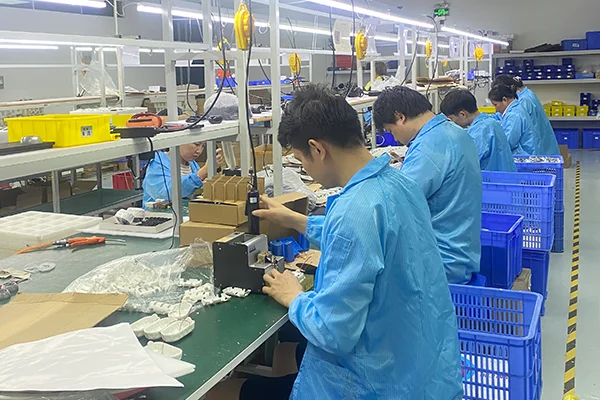
Specifying outdoor cameras for a project? Bokysee builds IP66-rated cameras with sealed housings and full OEM and ODM support for your brand and certification needs.
Request IP66 camera details →Which IP Rating Is Suitable for Different Security Camera Installations?

Choose the rating by the worst water exposure the site will see, not by the highest number on the spec sheet.
Matching the Rating to the Site
The required IP rating depends on the camera’s exposure to water:
- Covered outdoor areas: A camera under an eave may face limited direct rain exposure. Check the site’s actual conditions and the manufacturer’s recommended rating.
- Exposed walls and poles: IP66 is a common choice for cameras exposed to rain, wind-driven spray, and powerful water jets.
- Areas at risk of temporary immersion: IP67 may be suitable when brief submersion is part of the expected site conditions.
- Prolonged underwater exposure: IP68 may be appropriate when the manufacturer has specified and tested the required immersion depth and duration.
Before specifying a model, compare its tested protection level with the worst expected water exposure at the installation site.
Indoor and Specialty Cases
Indoor cameras rarely need high water ratings, but dust can still matter in workshops and warehouses. For special environments such as cold rooms or wash-down areas, the enclosure rating works together with other factors such as temperature tolerance, so the IP code is one part of a larger environmental spec. A wash-down area is a good example where a camera may need both a water-jet rating and materials that tolerate cleaning chemicals, neither of which the IP code alone guarantees. Our guide to the types of security camera systems places these choices in context.
How Do Camera Housing and Seals Affect Waterproof Performance?
A rating is only as good as the seals that hold it, and the weakest point is usually a cable gland or cover.
Seals, Gaskets, and Cable Entries
The enclosure body matters less than the points where parts meet. Silicone gaskets around the front cover, rubber rings at the lens and IR window, and sealed cable glands at the back are what keep water out. A single pinched gasket or a cable entry left loose can defeat an otherwise solid IP66 housing, which is why installation quality counts as much as the printed rating. The cable connection is the point most installers get wrong, because a downward loop is what stops water from tracking along the cable into the housing.
Breathable Vents and Condensation
Outdoor camera housings use breathable membranes to balance internal pressure and release moisture while blocking water. Without proper ventilation, temperature changes can cause condensation inside the housing, fogging the lens and reducing image clarity. For cameras used in humid or rapidly changing climates, check for a pressure-equalizing vent.
How to Verify the IP Rating of a Security Camera Before Purchase

A printed rating is a claim; a test report tied to IEC 60529 is the evidence behind it, so ask for both.
What to Ask the Supplier
Before approving an outdoor camera for a project, ask the supplier for the following details:
- Applicable standard: Was the enclosure tested according to IEC 60529?
- Model identification: Does the test report cover the exact camera model being purchased?
- Water protection: Does the report confirm IPX6, IPX7, or IPX8 testing?
- Combined ratings: If the camera is marked IP66/IP67 or IP66/IP68, does the documentation cover both water tests?
- IP68 conditions: What immersion depth and duration were used?
Reviewing model-specific documentation helps buyers verify the claimed protection level before placing an order.
Checking the Full Environmental Spec
The IP rating is one line in a larger environmental specification that also includes operating temperature, humidity, and sometimes impact protection. A camera that is IP66 but rated only for mild temperatures may still fail on a cold or hot site, so read the whole spec. The IP standard itself is published by the IEC, and reading the two codes together gives the full picture of how a housing will hold up.
Frequently Asked Questions About IP66, IP67 and IP68
Is IP68 better than IP66 for outdoor cameras?
Not necessarily. IP68 covers continuous immersion, while IP66 covers powerful water jets, so for rain and hose-down cleaning IP66 is the more relevant rating. The water digits measure different conditions rather than a simple ranking.
What IP rating do I need for a camera in the rain?
IP66 is the standard choice for cameras exposed to rain and wind-driven spray, because it is tested against powerful water jets from any direction. It is the level most outdoor installations require.
Can an IP67 camera be hosed down?
Only if it is also rated for water jets, such as a combined IP66/IP67 rating. IP67 alone tests immersion rather than high-pressure jets, so it does not guarantee protection during pressure washing.
What does the first digit in an IP rating mean?
The first digit rates protection against solids and dust on a scale from 0 to 6. A 6 means the enclosure is completely dust-tight, which is the level most quality outdoor cameras meet.
How can I tell if an IP rating is genuine?
Ask for a test report that references IEC 60529 for the specific model. A rating that appears only in marketing without a test standard or documentation is a weaker claim.
Does IP rating cover temperature and impact?
No. The IP rating covers dust and water only. Operating temperature, humidity, and impact protection are separate specifications, with impact rated by the IK scale rather than the IP code.
Final Thoughts on IP66, IP67 and IP68
An IP rating is a tool for matching a camera to the water and dust it will actually meet, not a badge to collect. For nearly every outdoor installation, IP66 is the right answer because it lines up with rain, spray, and hose-down cleaning, while IP67 and IP68 step in only when standing water or submersion is a real possibility. Spend the time you save on the rating decision on the details that fail first in the field, such as seals, cable entries, and condensation control.
Read the two digits separately, ask for the test report, and remember that seals and installation matter as much as the printed code. If your product line needs a waterproof rating your customers can trust, talk to Bokysee about IP66-rated cameras and OEM support.






 English
 Spanish
 Russian