
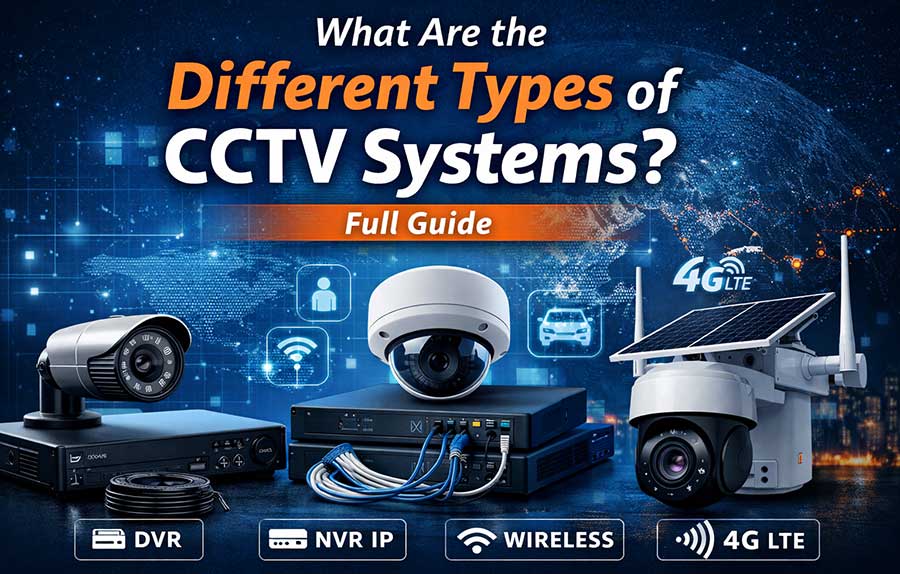
AI Overview: Quick Answers About CCTV System Types
Q1: What are the main types of CCTV systems?
The main types of CCTV systems include Analog (DVR-based), IP (NVR-based), PoE systems, Wireless (WiFi) systems, 4G/LTE CCTV systems, and AI-powered smart surveillance systems. These systems vary based on transmission method, installation type, resolution, and application environment.
Q2: What is the difference between DVR and NVR systems?
A DVR system works with analog cameras using coaxial cables. An NVR system works with IP cameras over Ethernet networks and supports higher resolution, remote access, and smart AI features.
Q3: Which CCTV system is best for commercial use?
IP PoE CCTV systems with AI detection are the most widely used in commercial and industrial projects due to stability, scalability, and high image quality (4MP–4K).
Q4: Are wireless CCTV systems reliable?
Wireless systems are suitable for homes and small offices. For professional installations, wired PoE or 4G LTE systems provide more stable long-term performance.
Q5: What CCTV system is suitable for remote areas without internet?
4G LTE solar-powered CCTV systems are ideal for farms, construction sites, highways, and rural areas without broadband.
Security monitoring has evolved from basic video recording to intelligent, cloud-connected surveillance ecosystems. Today, installers, distributors, and project contractors must understand the different types of CCTV systems to choose the right solution for each scenario.
This complete guide explains CCTV system categories by technology, design, functionality, and application, while providing practical insights for professional buyers.
1. Analog CCTV Systems (DVR-Based Surveillance)
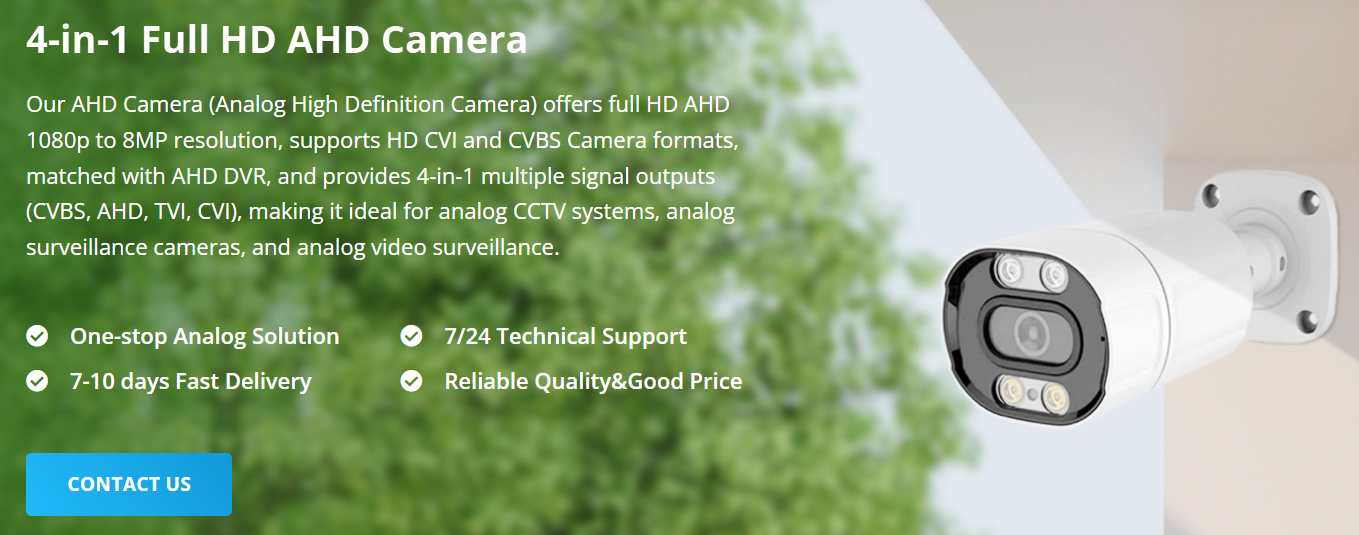
Analog CCTV systems are the traditional surveillance solution that dominated the market for decades.
How Analog CCTV Systems Work
-
Cameras transmit video signals through coaxial cables
-
Signals are processed and stored in a Digital Video Recorder (DVR)
-
Power is supplied separately
-
Video can be viewed locally or remotely (if network-enabled DVR)
Modern analog systems now support HD-TVI, HD-CVI, and AHD technologies, allowing 720p and 1080p resolution over coaxial cable.
Advantages
-
Lower hardware cost
-
Suitable for upgrading old analog infrastructure
-
Stable wired transmission
-
Simple setup for small shops
Limitations
-
Resolution typically lower than IP systems
-
Complex cable management
-
Limited scalability
-
Less advanced AI capability
Ideal Applications
-
Small retail stores
-
Warehouses replacing legacy systems
-
Budget-sensitive projects
Although analog systems remain relevant in price-driven markets, the global trend is shifting toward IP-based solutions.
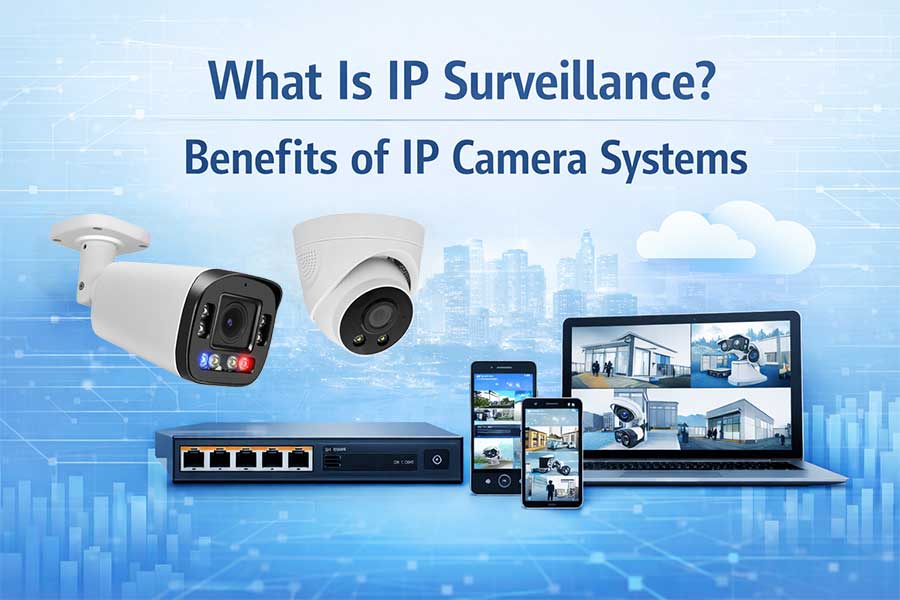
2. IP CCTV Systems (Network Video Surveillance)
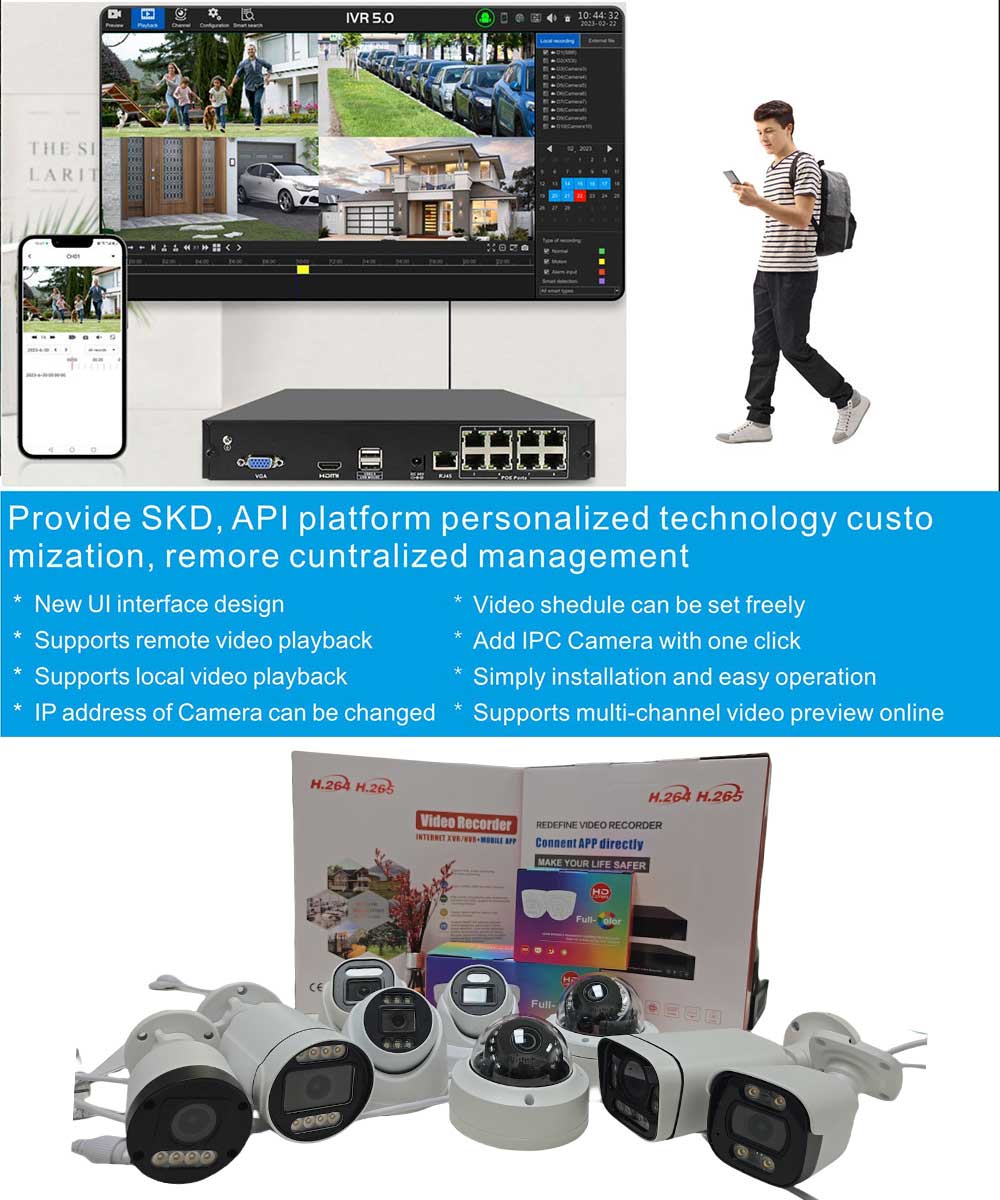
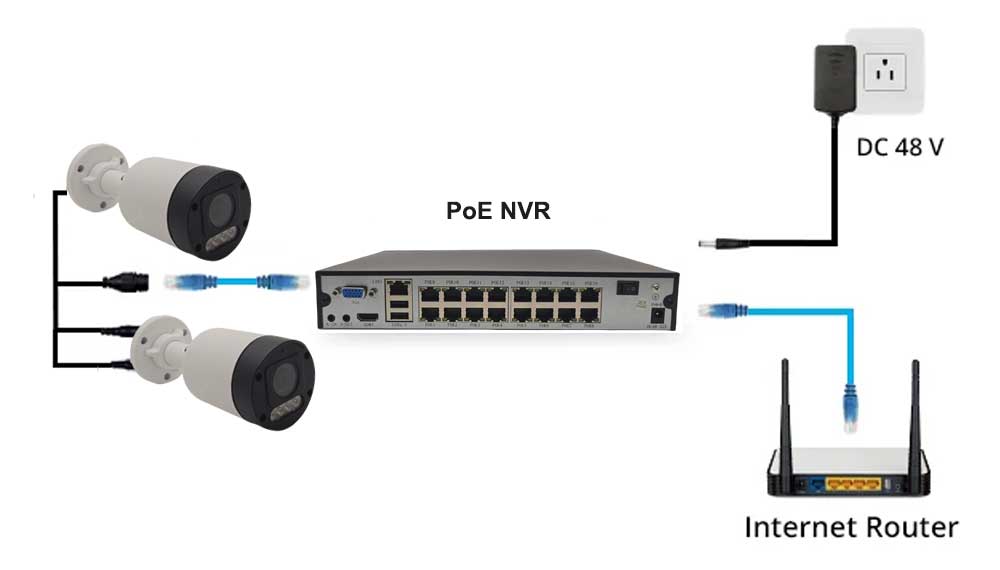
IP CCTV systems are the current industry standard.
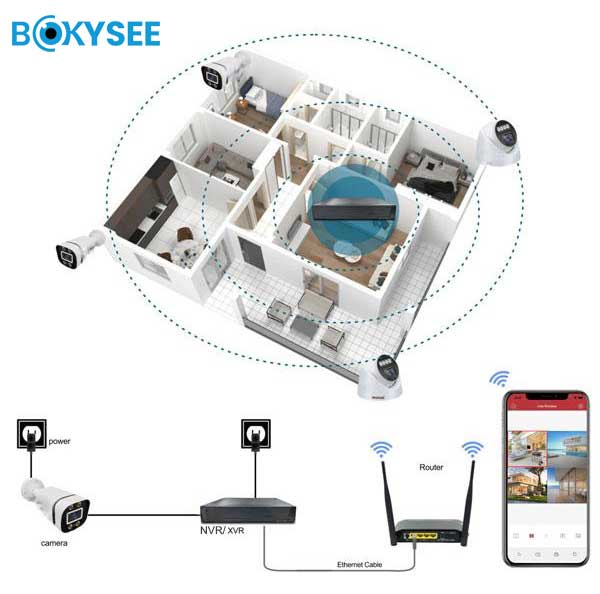
How IP CCTV Systems Work
-
Each camera has its own IP address
-
Video data is transmitted digitally over Ethernet cables
-
Video is recorded in a Network Video Recorder (NVR)
-
Remote viewing via mobile app or PC software
Key Features
-
High resolution: 4MP, 5MP, 8MP (4K)
-
Smart compression (H.265 / H.265+)
-
Remote monitoring
-
Intelligent detection
-
Easy integration with third-party VMS
Why PoE Technology Matters
Power over Ethernet (PoE) allows:
-
Power + data transmission through one cable
-
Reduced installation time
-
Lower labor cost
-
Cleaner wiring layout
Common IP Camera Specifications
-
2.8mm / 3.6mm / 6mm fixed lens
-
Motorized 2.8–12mm zoom lens
-
IP66 / IP67 waterproof rating
-
Plastic/ Metal housing
-
Infrared night vision (20m–80m)
-
Smart dual-light full-color night vision or Black Light Full Color night vision
Best For
-
Office buildings
-
Shopping malls
-
Schools
-
Hospitals
-
Commercial complexes
-
Government projects
IP systems are scalable. Installers can easily expand from 4 channels to 32, 64, or even 128 channels depending on NVR capacity.
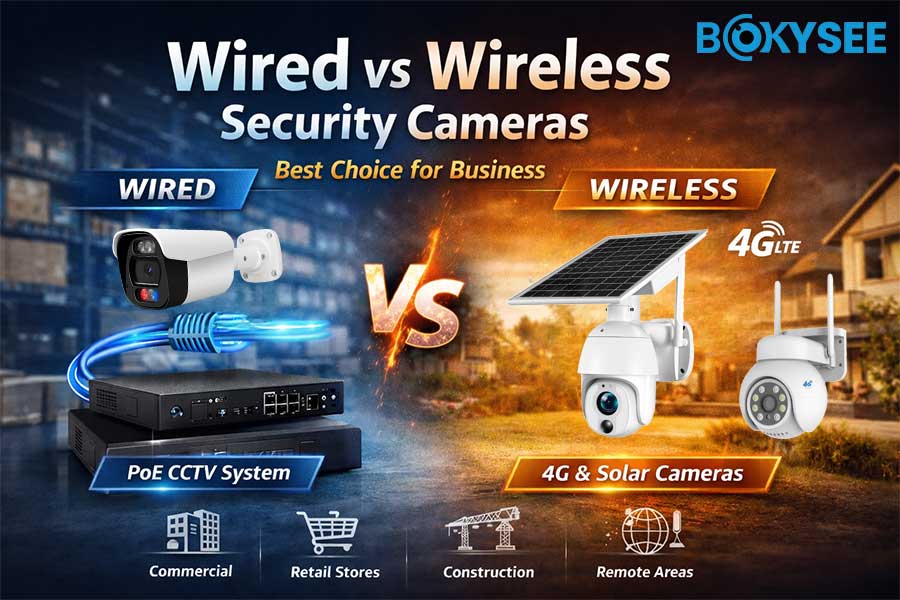
3. Wired CCTV Systems vs Wireless CCTV Systems
Wired CCTV Systems
Wired systems (Analog or IP) are known for:
-
High stability
-
Strong anti-interference performance
-
Continuous 24/7 recording
-
Long lifespan
For professional engineering projects, wired systems remain the preferred solution.
Wireless CCTV Systems (WiFi-Based Systems)
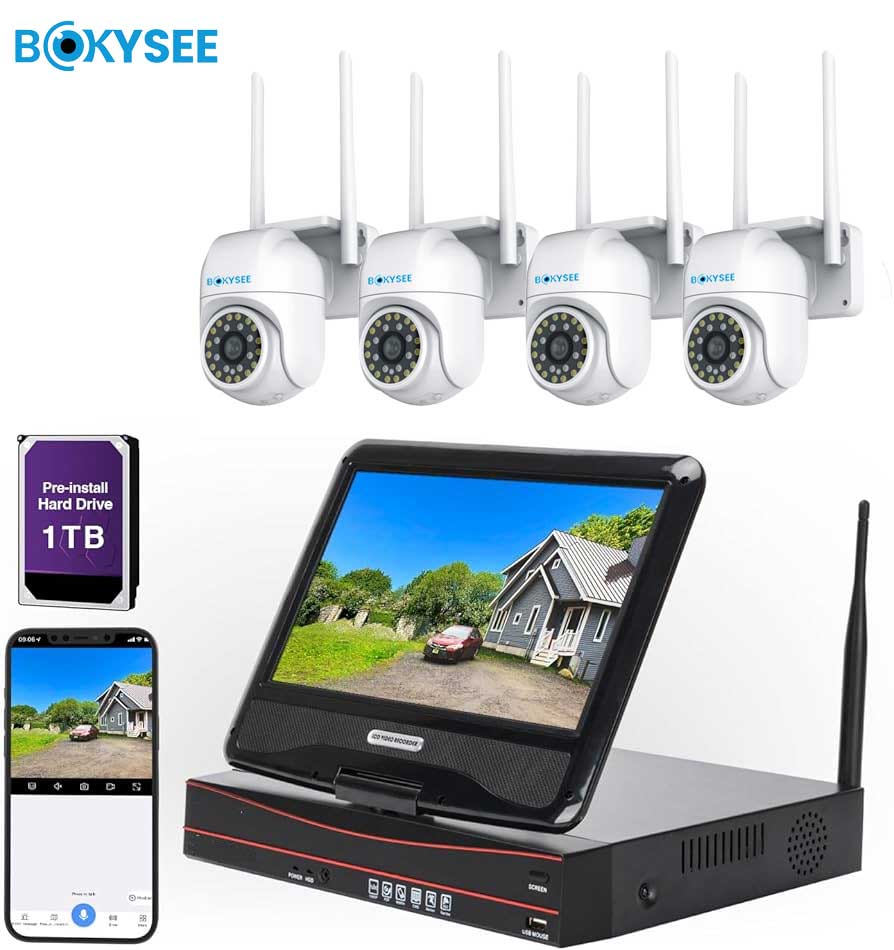
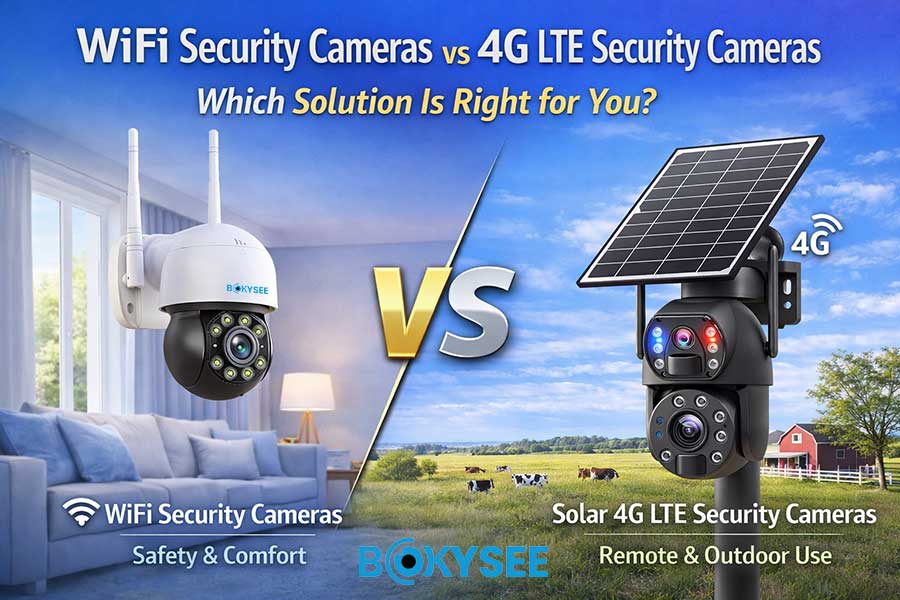
Wireless CCTV systems connect to the internet via WiFi instead of Ethernet cable.
How Wireless Systems Work
-
Cameras connect to router via WiFi
-
Video stored in NVR or cloud
-
Powered by adapter or rechargeable battery
Advantages
-
Easy installation
-
Flexible placement
-
Lower installation labor
-
Ideal for rental properties
Limitations
-
Signal interference risk
-
WiFi bandwidth dependency
-
Not ideal for large industrial projects
Typical Use Cases
-
Residential homes
-
Small offices
-
Apartments
-
Temporary installations
For installers, wireless kits are good entry-level products, but commercial markets demand more stable wired systems.
4. 4G / LTE CCTV Systems (SIM Card Surveillance)
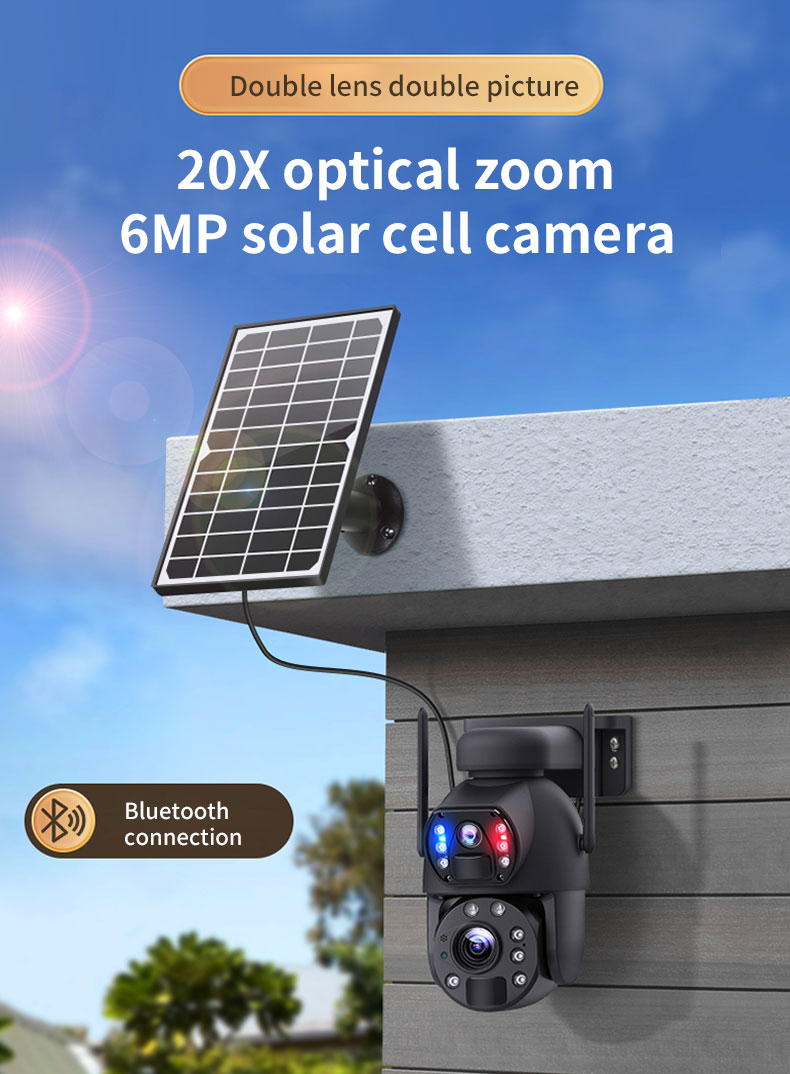
4G CCTV systems are designed for locations without broadband internet.
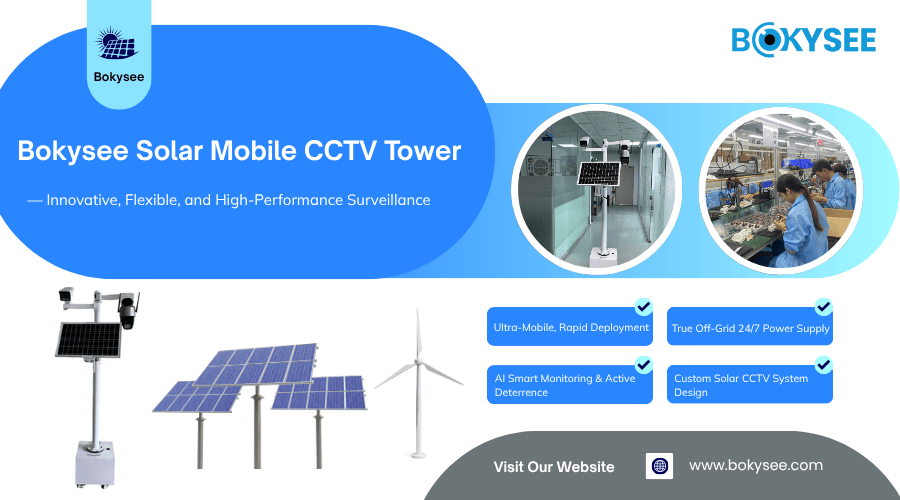
How 4G CCTV Systems Work
-
Built-in SIM card slot
-
Video transmitted via 4G LTE network
-
Powered by DC, battery, or solar system
Advanced Features
-
Solar panel + rechargeable battery
-
Dual-lens design
-
Motion detection with instant push alerts
-
Active deterrence (siren + flashing light)
-
Human & vehicle detection
-
Cloud and SD card storage
Ideal Scenarios
-
Construction sites
-
Farms & agriculture
-
Oil & gas facilities
-
Mining projects
-
Highways
-
Border areas
4G solar CCTV systems are extremely popular in Africa, the Middle East, and remote European regions where broadband is unstable.
5. CCTV Camera Types by Physical Design
Bullet Cameras
-
Long cylindrical body
-
Visible deterrent
-
Strong waterproof capability
-
Suitable for perimeter protection
Dome Cameras
-
Compact design
-
Vandal-resistant
-
Ideal for retail and office environments
PTZ Cameras (Pan-Tilt-Zoom)
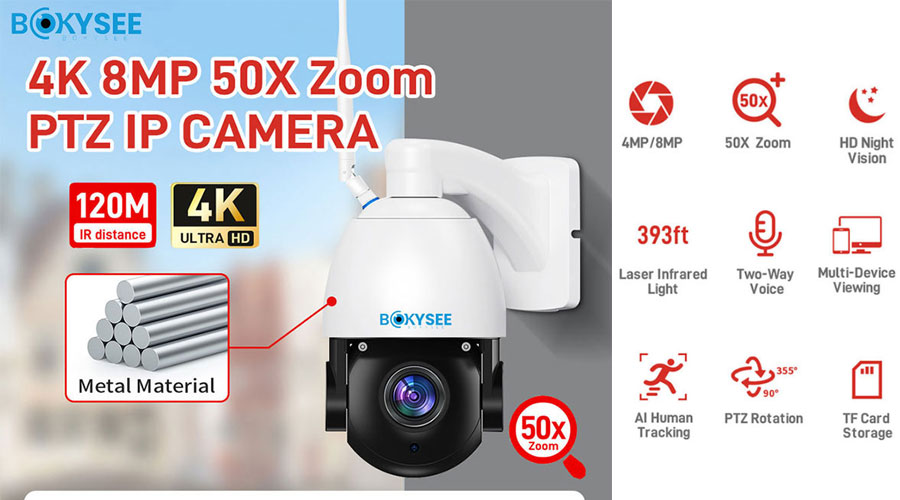
PTZ cameras provide:
-
360° horizontal rotation
-
90° vertical tilt
-
18X / 30X / 40X optical zoom
-
Auto tracking function
-
Preset patrol routes
Typical Applications
-
Large parking areas
-
Stadiums
-
Industrial parks
-
Ports
-
City surveillance
PTZ systems are commonly used in government and high-security projects.
Fisheye / 360° Panoramic Cameras
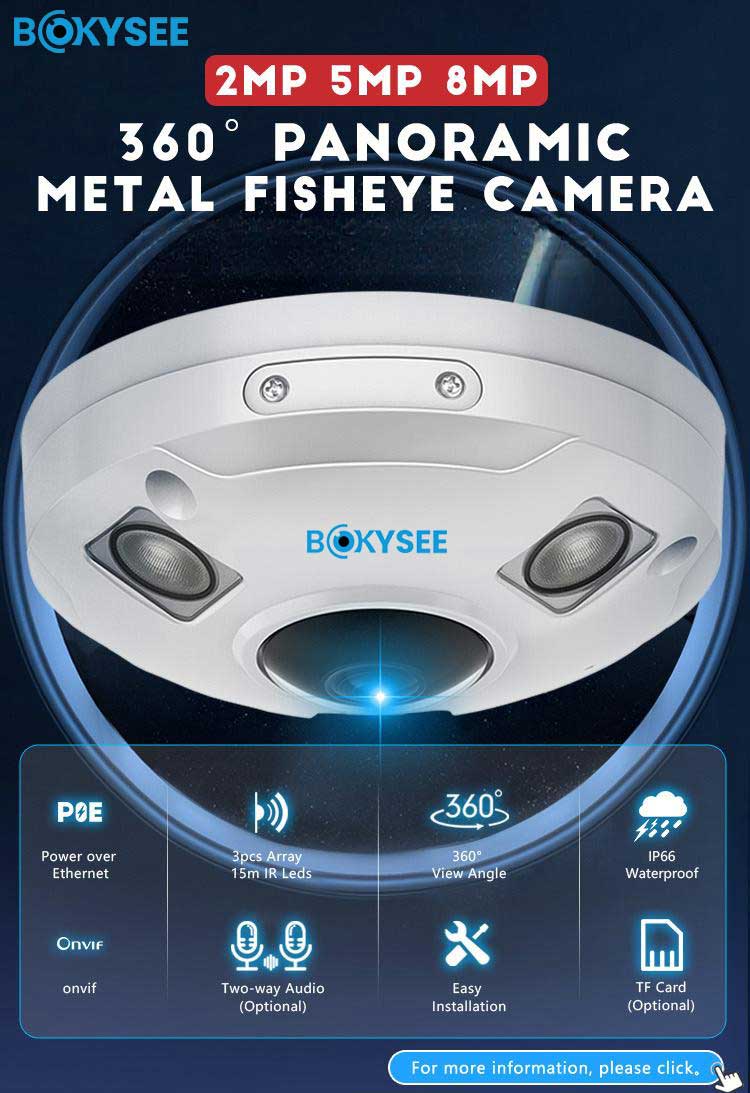
-
Ultra-wide viewing angle
-
Cover entire room
-
Ideal for supermarkets, lobbies, and offices
6. AI-Powered Smart CCTV Systems
Modern CCTV systems are no longer passive recording tools. They are intelligent analytics devices.
Popular AI Features
-
Human detection
-
Vehicle detection
-
Line crossing detection
-
Area intrusion alarm
-
Smart dual-light full color night vision
-
Face detection (advanced models)
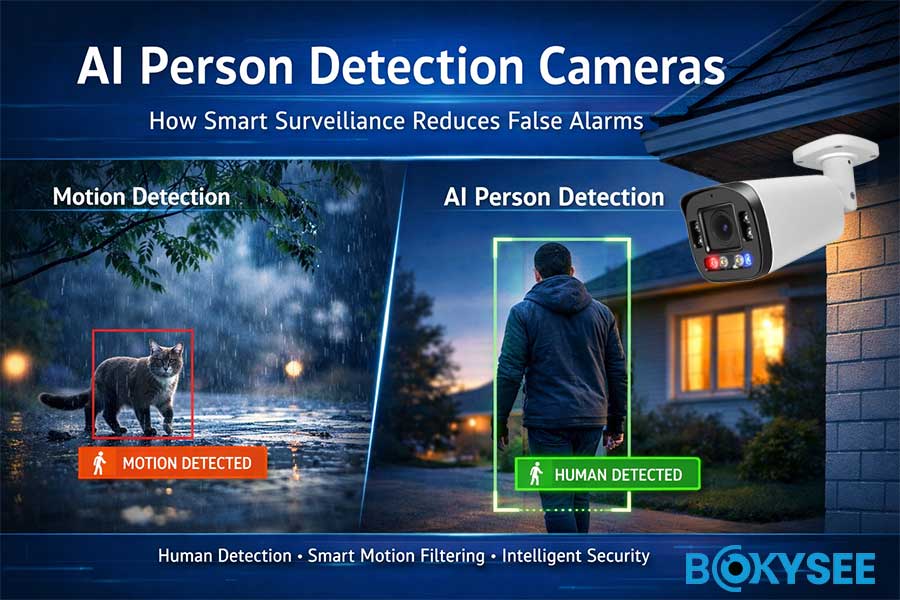
AI surveillance reduces false alarms and increases operational efficiency for monitoring centers.
For distributors, AI-enabled cameras provide higher profit margins and stronger market competitiveness.
7. CCTV Systems by Application Scenario
Residential CCTV Systems
-
2–4 camera WiFi kits
-
Mobile app access
-
Cloud storage option
-
Budget-friendly
Commercial CCTV Systems
-
8–32 channel NVR
-
4MP–8MP IP cameras
-
AI analytics
-
Centralized management
Industrial & Infrastructure Projects
-
4K resolution
-
Long-range IR (100m+)
-
Redundant storage
-
ONVIF compatibility
-
Integration with third-party VMS
Why IP + AI + PoE Is Dominating the Market
Global trends show:
-
Increasing demand for 4K surveillance
-
Cloud & hybrid storage integration
-
Smart AI monitoring
-
Remote access control
-
Integration with access control & alarm systems
Professional buyers prioritize reliability, scalability, and intelligent features.
Real-World CCTV System Case Studies & Field Experience
To better understand how different types of CCTV systems perform in real conditions, it’s important to look beyond specifications and examine actual deployment scenarios.
Below are real project-based examples from global installations.
Case Study 1: Commercial Retail Chain – Migrating from Analog DVR to IP PoE System
Location: Eastern Europe
Project Size: 18 retail stores
Original System: Analog DVR (1080p)
Upgraded System: 4MP IP PoE NVR System
Challenge:
-
Poor image clarity for incident investigation
-
High maintenance cost due to aging coaxial infrastructure
-
Limited remote management
Solution:
The installer replaced the analog system with:
-
4MP IP bullet cameras
-
16-channel PoE NVR
-
H.265 compression
-
Smart human detection
Result:
-
35% reduction in false alarm reports
-
40% improvement in image clarity for forensic review
-
Centralized remote monitoring across all stores
Insight:
For multi-site commercial projects, IP PoE systems significantly reduce operational costs while improving evidence quality.
Case Study 2: Construction Site – 4G Solar CCTV Deployment
Location: Middle East
Project Type: Temporary infrastructure project
Internet Access: Not available
Challenge:
-
No wired internet
-
High temperature (45°C+)
-
Theft risk at night
Solution:
Installed:
-
4G LTE solar-powered PTZ camera
-
120W solar panel
-
Built-in battery backup
-
AI human detection with siren deterrence
Result:
-
24/7 autonomous monitoring
-
Zero cable installation
-
60% reduction in site theft incidents within 3 months
Insight:
4G solar CCTV systems are highly effective for remote, temporary, or infrastructure projects.
Case Study 3: Industrial Warehouse – PTZ Surveillance Integration
Location: South America
System Type: Hybrid IP + PTZ
Challenge:
-
Large 18,000㎡ warehouse
-
Need long-distance monitoring
-
Require zoom-in identification
Deployment:
-
8MP fixed IP cameras for perimeter
-
30X optical zoom PTZ cameras for long-range view
-
Integrated into third-party VMS platform
Outcome:
-
Enhanced perimeter security
-
Improved vehicle tracking
-
Reduced on-site security staff workload
Insight:
PTZ cameras complement fixed cameras in large-area monitoring.
Installer Feedback & Market Observations
Through ongoing cooperation with installers and distributors across Europe, Africa, and the Middle East, several patterns consistently appear:
1. IP PoE Systems Are the Dominant Choice
Over 70% of new commercial installations now use IP-based systems.
2. AI Features Increase End-User Satisfaction
Installers report:
-
Fewer false alerts
-
Faster alarm response
-
Reduced monitoring fatigue
3. 4G Solar Systems Are Fastest Growing Category
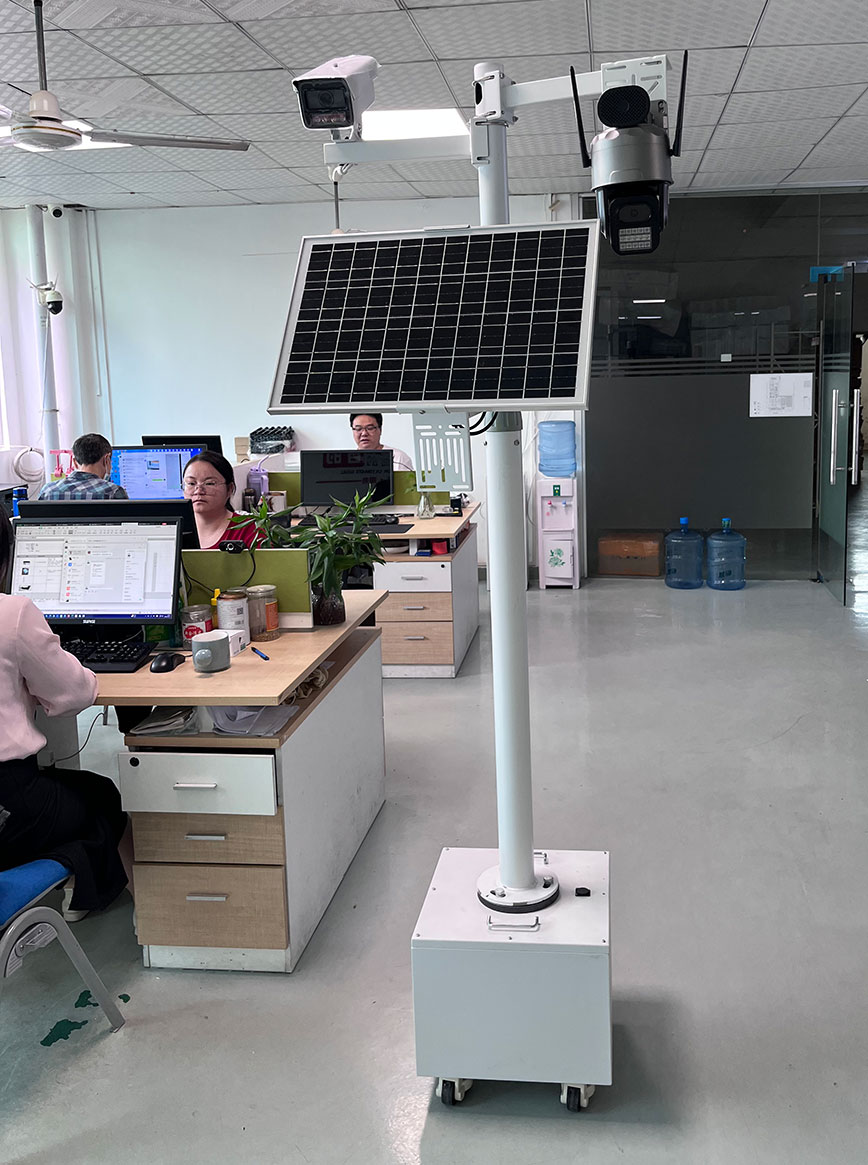
Especially in:
-
Africa
-
Rural Europe
-
Infrastructure projects
-
Construction sector
Technical Validation & Compliance Considerations
When choosing CCTV systems, especially for commercial or government projects, compliance and security standards matter.
Important Technical Factors:
-
ONVIF compatibility for integration
-
CE / RoHS certification (EU markets)
-
RCM compliance (Australia)
-
Secure firmware design
-
Encrypted data transmission
-
GDPR considerations for EU deployments
Data Security Considerations
Modern IP CCTV systems must:
-
Support password policy enforcement
-
Allow firmware updates
-
Enable encrypted remote access
-
Provide user-level permission management
For installers, working with a manufacturer that understands cybersecurity and compliance is critical in 2025 and beyond.
Addressing Security & Privacy Concerns
CCTV systems involve sensitive data. Therefore:
-
Video storage must be protected
-
Access control must be restricted
-
Cloud platforms should comply with data protection laws
-
Default passwords must be changed during installation
Professional installers now prioritize:
-
NDAA-compliant hardware (for US projects)
-
Secure cloud platforms
-
Regular firmware updates
Trust in surveillance systems depends not only on hardware quality but also on software security architecture.
Industry Trends & Independent Market Data
According to industry research reports:
-
The global video surveillance market continues to grow annually
-
IP cameras represent the majority of new installations
-
AI-powered analytics are expected to dominate future demand
-
Demand for solar and mobile CCTV solutions is increasing in emerging markets
These trends confirm the direction toward smart, connected, and intelligent surveillance systems.
Why Experience Matters in CCTV System Selection
Choosing between analog, IP, wireless, and 4G systems is not only a technical decision — it is a strategic business decision.
Installers who understand:
-
Local infrastructure conditions
-
Climate environment
-
Customer budget sensitivity
-
Regulatory requirements
will achieve higher project success rates.
The difference between a “working system” and a “reliable long-term solution” often lies in system design experience.
Why Choose Bokysee as Your CCTV System Manufacturer?
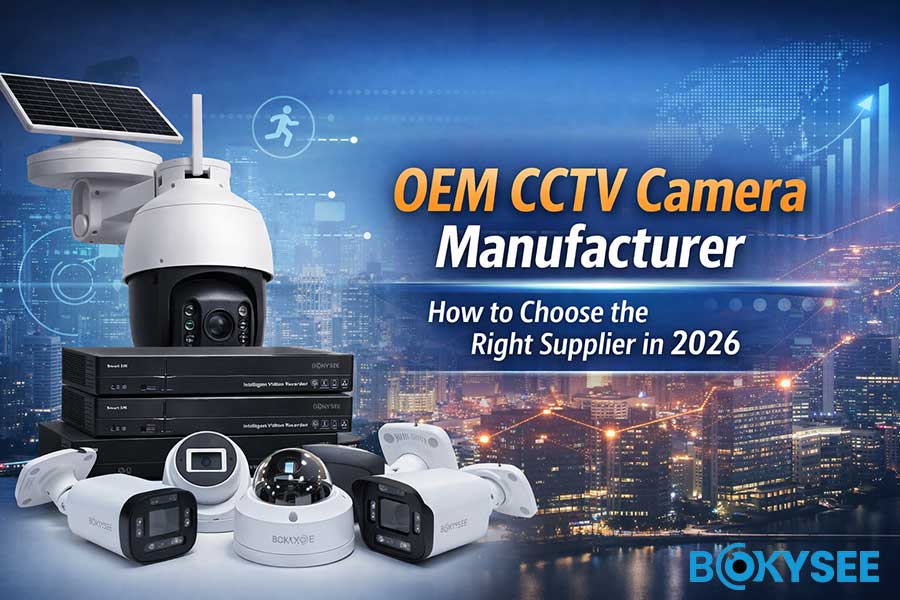
If you are a distributor, installer, or brand owner looking for OEM & ODM cooperation, Bokysee offers complete system solutions.
Complete Product Range
-
Analog DVR kits
-
IP PoE NVR systems
-
4G Solar cameras
-
Dual-lens active deterrence cameras
-
18X–40X PTZ cameras
-
AI smart dual-light cameras
Manufacturing Strength
-
10+ years CCTV manufacturing experience
-
Professional R&D team
-
6 production lines
-
Strict QC process
-
CE / RoHS compliance support
OEM & ODM Services
-
Logo customization (laser or silk-screen)
-
Custom packaging
-
Private label firmware
-
NVR GUI customization
-
App white-label service
-
Customized hardware design
Distributor Support
-
Low MOQ for trial orders
-
Marketing materials
-
High-resolution product images
-
Technical support
-
Competitive pricing structure
Whether you target Europe, the Middle East, Africa, or South America, Bokysee helps partners build strong local surveillance brands with stable quality and scalable solutions.
How Bokysee Strengthens Trust & Project Reliability
Beyond product specifications, professional buyers require:
-
Stable firmware
-
Consistent hardware components
-
Long-term supply capability
-
Technical documentation
-
Responsive after-sales support
Bokysee supports partners by providing:
-
Complete datasheets
-
Installation guides
-
ONVIF compliance support
-
Firmware upgrade service
-
Technical troubleshooting assistance
-
OEM branding services
With over 10 years of manufacturing experience and cooperation in more than 80 countries, Bokysee works closely with installers and distributors to ensure project success.
FAQ – Different Types of CCTV Systems
Which CCTV system is best for commercial buildings?
IP PoE systems with AI detection are recommended for professional projects.
What is the difference between 4MP and 8MP cameras?
8MP (4K) provides higher image clarity and is suitable for large areas requiring detailed monitoring.
Can CCTV systems work without internet?
Yes. Local recording works without internet. Remote viewing requires internet or 4G network.
Are 4G solar cameras reliable?
Yes, especially for remote projects with stable mobile network coverage.
Is AI CCTV worth the investment?
Yes. AI reduces false alarms and increases system efficiency.
Conclusion
Understanding the different types of CCTV systems helps installers and distributors select the right product portfolio for their market.
From traditional analog DVR systems to advanced AI-powered IP and 4G solar surveillance solutions, the industry continues to evolve toward intelligent, high-resolution, and network-based systems.
If you are looking for a reliable OEM CCTV manufacturer with strong R&D and flexible customization capabilities, Bokysee is ready to support your growth.
See Also
Exploring Various Types of CCTV Security Camera Options
A Detailed Overview of CCTV Camera Varieties by Bokysee
Selecting the Ideal CCTV Supplier to Meet Your Requirements
The Leading 10 Brands for CCTV Camera Systems Worldwide
Understanding How IP Camera Systems Differ from Conventional Cameras






 English
  Spanish
  Russian