
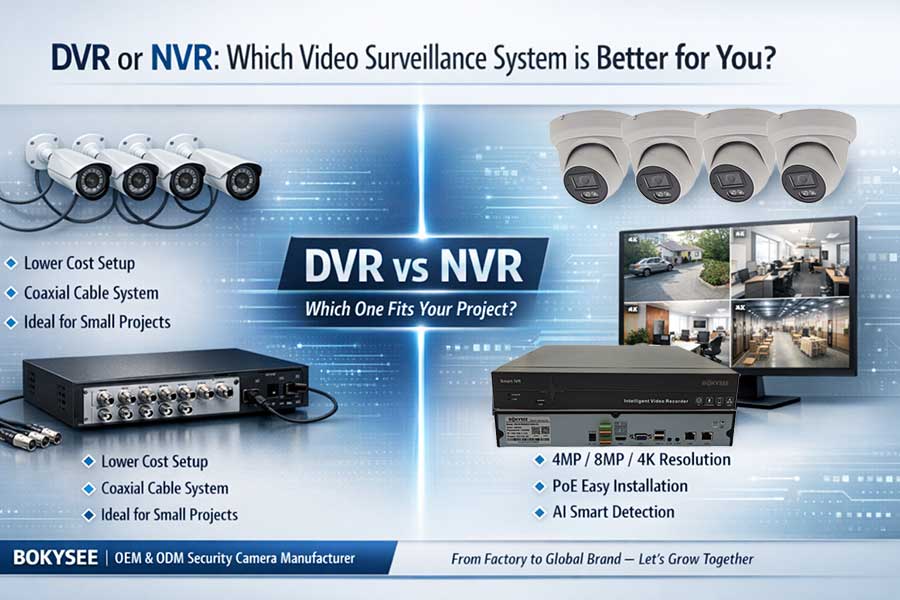
Comparing NVR and DVR Video Surveillance System
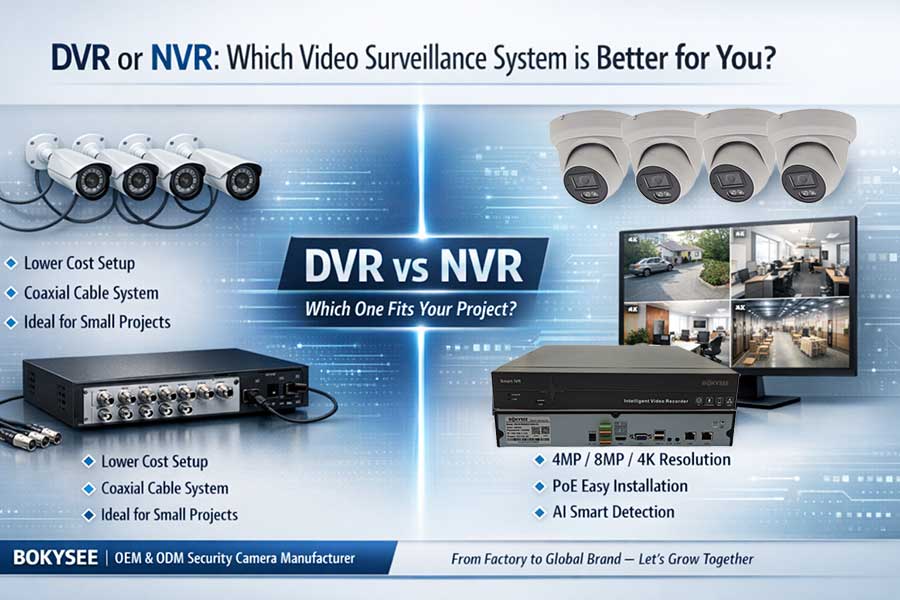
Modern surveillance projects increasingly rely on the NVR security system because it is built on advanced IP camera technology. Unlike traditional systems, an NVR security system supports 4K and 8MP high-resolution video recording, seamless camera expansion, and intelligent management of multiple video streams across large commercial installations.
With a PoE NVR system, installers can easily add new IP cameras to the network without complex rewiring. Businesses benefit from powerful features such as remote access, smart playback search, AI-powered human and vehicle detection, and centralized monitoring. These capabilities make the NVR security system the preferred choice for commercial CCTV systems, smart buildings, warehouses, and multi-site enterprises.
In contrast, DVR systems are built around older analog infrastructure. A DVR converts video signals from traditional analog cameras into digital format for storage. While this was effective in the past, DVR systems struggle to handle multiple high-resolution streams and are limited in supporting advanced AI video analytics.
More importantly, DVR platforms lack the sophisticated management tools found in modern NVR security systems. Features such as intelligent video search, cloud integration, AI-based event filtering, and scalable network architecture are either limited or unavailable in analog-based DVR setups.
As the global demand for AI video surveillance systems and IP-based security solutions continues to grow, the shift toward NVR technology is accelerating.
Let’s take a closer look at the key differences between DVR and NVR security systems — and why NVR is rapidly becoming the industry standard for future-ready surveillance.
|
Features |
Network Video Recorder |
Digital Video Recorder |
|---|---|---|
|
Video Quality |
High-definition video from IP cameras. |
Lower quality from analog cameras. |
|
Camera Type |
Uses IP cameras for recording. |
Uses analog cameras for recording. |
|
Connection Method |
Connects via Ethernet or Wi-Fi. |
Connects using coaxial cables. |
|
Storage Options |
Supports cloud and NAS storage. |
Stores video on local hard drives. |
|
Installation Complexity |
Easier installation with fewer cables. |
More complex due to multiple cables. |
|
Scalability |
Easily add more cameras. |
Limited by cable connections. |
|
Remote Access |
Advanced mobile app support. |
Basic remote viewing capabilities. |
|
Smart Features |
Includes AI and video analytics. |
Basic recording and playback only. |
|
Cost |
Generally more expensive. |
Lower initial cost. |
|
Integration |
Works well with smart home devices. |
Limited smart home compatibility. |
What Is a DVR? Understanding Digital Video Recorder Security Systems
DVR Security Cameras and System Components
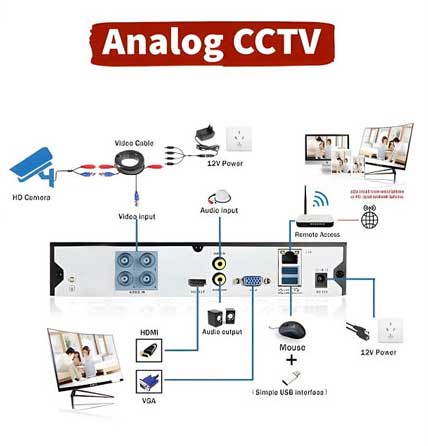
Analog Security Cameras and Coaxial Cables
CCTV DVR systems use analog security cameras. These cameras connect to a DVR recorder with coaxial cables. The camera records video using analog signals. The coaxial cable sends the signal to the DVR camera recorder. This setup is used for basic security watching. Analog cameras are common in older CCTV systems.
DVR Hardware, Storage, and Recorder Features
DVR systems have a DVR recorder, a hard drive, and a way to see video. The DVR camera recorder changes analog signals into digital video. The Digital Video Recorder saves and compresses video on its hard drive. You can play back or export video from the DVR camera recorder. DVR security systems store video locally for easy access.
How DVR Systems Work: Video Processing and Access
Signal Conversion and Video Quality
The DVR camera gets analog signals from CCTV cameras. The DVR recorder turns these signals into digital video. The Video Recorder makes the video smaller to save space. CCTV DVR systems do not have as high resolution as NVR systems. DVR business security systems give good video for simple needs.
Remote Access, Storage, and Video Security
You can watch video from DVR security cameras on a monitor. The monitor connects to the DVR recorder. Many DVR systems let you see video from far away using a web browser or app. DVR systems keep video on the device, so network problems do not affect it. The Video Recorder lets you play and export video safely. CCTV systems are good for small places.
Pros and Cons of DVR Security
Pros of DVR Security Systems (Cost, Simplicity, Reliability)
-
DVR security systems cost less than NVR systems.
-
DVR security cameras work with many brands.
-
DVR systems are easy to set up and use.
-
DVR cameras are good for basic security.
-
DVR security works well for small businesses.
Cons of DVR Security (Scalability, Image Quality, Installation)
-
DVR Security does not work well for big places.
-
DVR Cameras have lower image quality than NVR systems.
-
DVR Security does not work with smart home features.
-
DVR Security can be hard to install because of cables.
-
DVR Security is not easy to upgrade later.
-
DVR Installation Tips help you avoid mistakes.
-
DVR Cameras do not have advanced features or analytics.
Popular DVR Security Camera Recorder Products (Including BOKYSEE)
BOKYSEE DVR Security Camera System Features
BOKYSEE DVR systems use analog cameras to watch video. The cameras connect to the DVR unit with coaxial cables. The DVR unit changes the analog signals into digital video. The hard drive saves the video in a smaller size. You can watch live or saved video on a monitor or app. You can also see video from far away for security. BOKYSEE costs less for homes and small businesses. The system works with many kinds of analog cameras. BOKYSEE DVR systems work well for simple security jobs.
"BOKYSEE DVR systems help people keep their property safe. The system is easy to use and has helpful features."
Other Leading DVR Security Brands
Many brands sell DVR security camera systems for different needs. ZOSI has DVR units that are easy to use and work with many cameras. Annke makes DVR systems with big storage and remote viewing. Swann sells DVR products with motion alerts and simple setup. Lorex has DVR systems that are strong and can add more storage. Hikvision makes DVR units with good video and smart compression.
-
ZOSI: Works with many analog cameras, costs less.
-
Annke: Has big hard drives, lets you watch on your phone.
-
Swann: Gives smart alerts, is easy to set up.
-
Lorex: Has strong hardware, can upgrade the system.
-
Hikvision: Saves video space, works well all the time.
Each brand gives choices for price, features, and what cameras work. People can pick a DVR system that fits their security needs and money. Brands like BOKYSEE and others make systems that are easy and work well for daily security.
What Is an NVR? Exploring Network Video Recorder Security Systems
NVR Security Cameras and NVR System Components
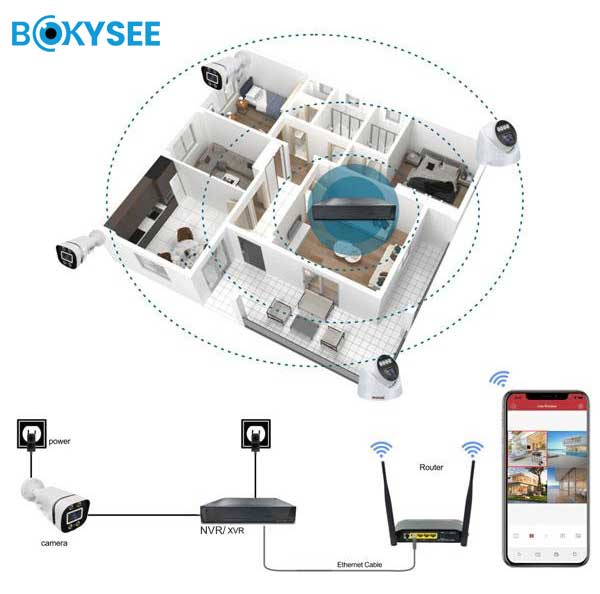
IP Cameras, Ethernet Cables, and Network Infrastructure
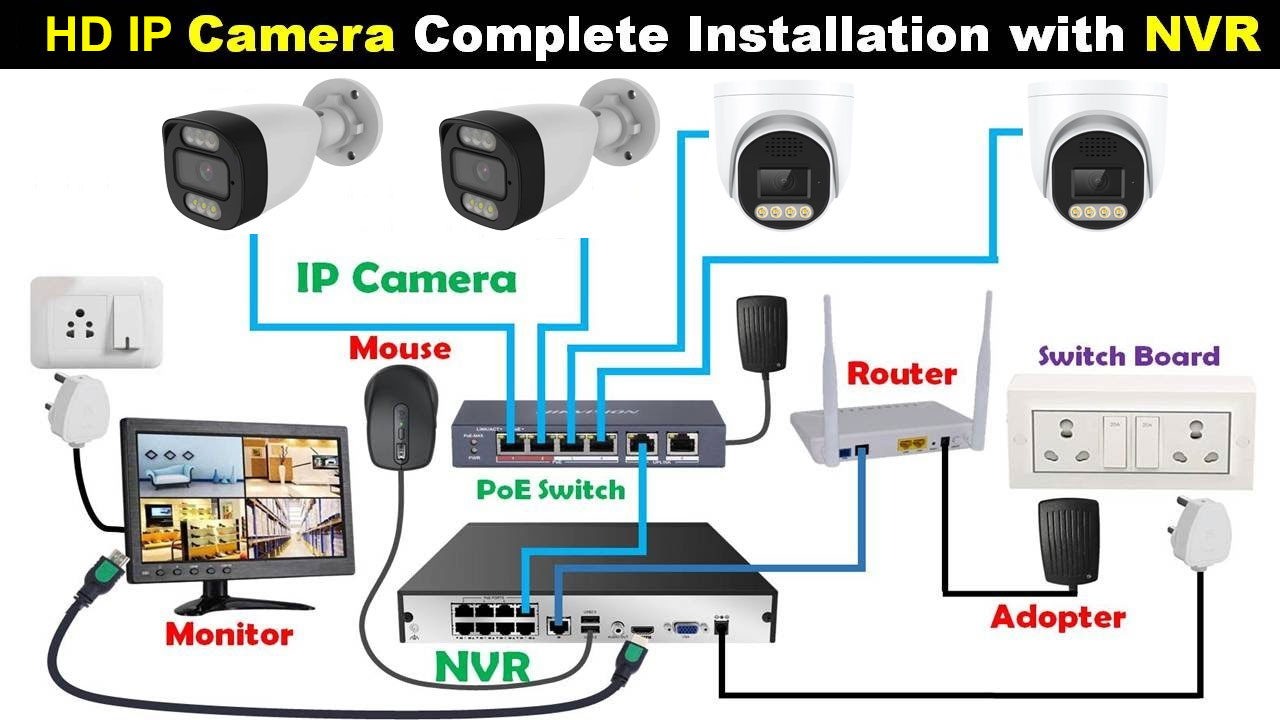
NVR Security Systems use IP cameras to record video. Each camera sends digital video using Ethernet cables or Wi-Fi. The NVR connects to a network switch or router to talk to the cameras. NVR cameras can show clear video and sound. The network setup lets you put cameras in many places. CCTV NVR systems use neat cabling for easy setup. NVRs save video from each camera without extra steps.
NVR Hardware, Storage, and Recorder Capabilities
A Network Video Recorder keeps video from IP cameras on a hard drive or network storage. NVR hardware has smart features like motion detection and video analytics. NVR systems let you pick where to store video, like local drives, NAS devices, or Cloud-based NVR. Cloud NVR systems mix on-site recording with backup in the cloud. Cloud NVR lets you see video safely from anywhere. Cloud-based NVR makes it easy to add more storage when you need it. NVR hardware helps you watch and find recorded events quickly.
How NVR Systems Work: Network Video Recorder Technology
Digital Signal Processing, Video Analytics, and Storage
NVRs record video that is already digital. Each IP camera works on the video before sending it to the recorder. The NVR uses this digital signal for clear and detailed video. NVR security camera systems can use high-quality formats like 4K. NVRs keep video with less quality loss than DVR. Video analytics in NVR systems give smart alerts and detection. NVR systems have search tools to find events fast. Cloud-based NVR gives more ways to store and check video.
Remote Access, Cloud-Based NVR, and Integration
NVR Security Systems let you watch video from far away using apps or web browsers. You can see live or saved video from anywhere with internet. Cloud NVR systems keep video off-site for extra safety. Cloud-based NVR makes it easy to share and manage video. Cloud NVR systems update by themselves and are easy to grow. NVR systems can work with smart home devices and alarms. NVR security system only needs one cable for power and data if you use PoE. Backstreet Surveillance says NVR is great for homes and businesses because it works well with other devices.
Pros and Cons of NVR Security Systems
Pros of NVR Security Systems (Scalability, Image Quality, Flexibility)
-
NVR Security Systems show clearer video than DVR security.
-
NVR systems are easy to add more cameras to.
-
NVR camera system can use wireless or wired cameras.
-
NVRs record good sound and video.
-
NVR security system works with smart home features.
-
Cloud-based NVR lets you back up video and recover from problems.
-
NVR systems have smart tools for better watching.
-
NVRs record video with less trouble from cables.
Limitations of NVR Security Systems (Cost, Network Dependency, Complexity)
-
NVR Security Systems cost more than DVR systems.
-
NVR system setup needs some network skills.
-
NVR security system needs good internet for Cloud NVR features.
-
NVR systems have advanced choices that may be hard for new users.
-
NVRs send data over networks, which can slow down if there is a lot of traffic.
-
Cloud NVR systems need strong security to keep video safe.
"NVRs are better than DVRs because they give better video and sound, are easy to add to, and have smart tools for big security systems."
CCTV NVR and Cloud-based NVR are good for people who want security that will last. DVR is still a good choice for simple needs and small budgets. NVR Security Systems are best for clear video, flexibility, and smart features.
Popular NVR Security Camera Recorder Products
BOKYSEE NVR Security Camera System Features
BOKYSEE NVR security camera systems show clear, high-definition video. Smart features like motion detection and remote access make watching easier. You can add more cameras when you need them. There are different ways to store video, like local drives, NAS devices, or the cloud. Ethernet cables make setup simple for homes and businesses.
BOKYSEE NVR systems use advanced video analytics for fast searches. You can connect smart home devices and alarms if you want. High-resolution video helps you see faces and details better. The system works for both small and big places because you can add more cameras. Good cable management keeps wires neat and tidy.
"NVR systems give sharper and clearer video, which helps with video analytics and finding people or things."
BOKYSEE NVR systems have better image quality than DVR systems. Smart tools help you control many cameras at once. People who know a lot about tech like BOKYSEE NVR for its features and easy upgrades. Big businesses use it for strong security and flexible tools.
Other Leading NVR Security Brands
Many brands sell NVR security camera systems. Hikvision has NVR systems with lots of storage and smart video tools. Lorex gives high-resolution cameras and easy menus. Swann has wireless NVRs and sends smart alerts. Annke lets you back up video to the cloud and add more cameras. ZOSI sells NVRs that cost less and are easy to set up.
-
Hikvision: Lots of storage, smart video tools, works well.
-
Lorex: Clear cameras, easy to use, can add more cameras.
-
Swann: Wireless cameras, smart alerts, watch on your phone.
-
Annke: Cloud backup, add cameras, safe remote access.
-
ZOSI: Low price, easy setup, watch from anywhere.
These NVR systems give clear video and smart features. You can pick an NVR based on your budget, how big your place is, and what you need. Businesses like NVRs because they can grow and have smart tools. Homeowners like easy setup and smart home connections.
NVR systems are better than DVR systems for video quality, adding cameras, and smart features. Important people and companies choose NVR for better security and more options. Some people may still use DVR for simple needs. Hybrid DVRs let you use old cameras with new ones, but NVR is best for the future.
Key Differences: DVR vs NVR Video Surveillance System
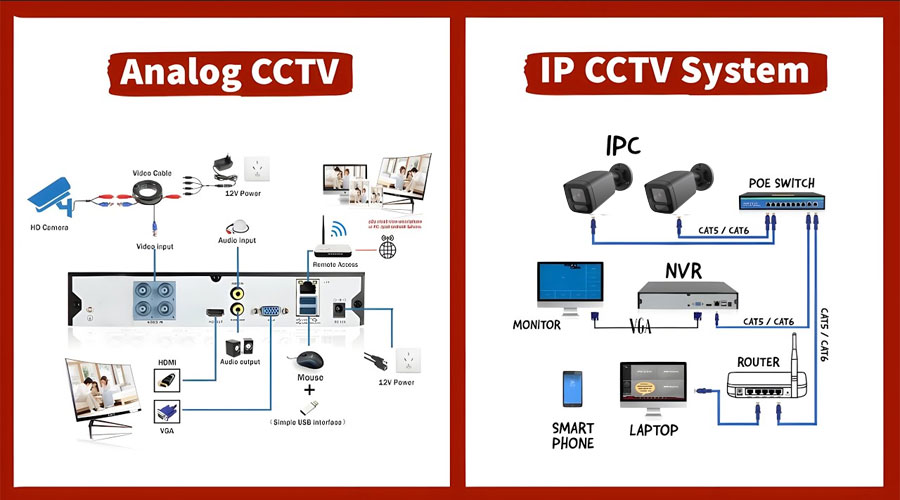
Technology, Components, and Video Recorder Differences
Analog vs Digital Transmission and Video Quality
DVR uses analog cameras with coaxial cables. NVR connects to IP cameras through a network. DVR changes analog signals to digital video inside the recorder. NVR gets digital video from IP cameras. DVR shows lower quality images. NVR gives high-definition video and audio. DVR and NVR handle video data in different ways. NVR supports smart video analytics and cloud storage. NVR vs DVR has clear differences in image quality and technology.
Cameras, Cables, and Storage Solutions
DVR and NVR cameras connect in different ways. DVR needs coaxial cables for each camera. NVR uses Ethernet cables or Wi-Fi for easy setup. DVR stores video on a hard drive. NVR lets you store video on local drives, NAS devices, or the cloud. DVR and NVR offer unique storage choices. NVR vs DVR gives options for more storage and easy access. DVR security works well for small setups with basic storage needs.
Installation, Setup, and System Scalability
Installation Requirements and Cables
DVR needs cables from each camera to the recorder. NVR uses one wire for power and data with PoE. DVR setup needs careful cable planning. NVR lets you put cameras anywhere without limits. DVR and NVR are different in how hard they are to install. NVR vs DVR makes setup easier for big properties. NVR cuts down on cable mess and works with wireless cameras.
Expansion, Customization, and Integration
NVR and DVR grow in different ways. DVR cannot add many cameras because of cable limits. NVR lets you add more cameras easily to the network. DVR vs NVR shows that NVR is better for growth. NVR allows flexible camera placement and changes. DVR security makes upgrades and system growth harder. NVR vs DVR adapts to new security needs easily.
Remote Access, Security, and Smart Home Compatibility
Mobile App Support and Video Security
DVR and NVR let you watch video from far away. DVR uses simple apps or web browsers for access. NVR has advanced mobile apps for real-time viewing. DVR does not have smart tools for video analytics. NVR uses AI for alerts and event detection. NVR vs DVR improves user experience with modern apps. DVR and NVR cameras give different levels of video security.
Integration with Home Security Systems
NVR and DVR connect to home security in different ways. DVR does not work well with smart home devices. NVR connects easily with alarms, sensors, and automation. DVR vs NVR shows NVR is better for smart homes. NVR supports cloud platforms for easy control. DVR and NVR meet different integration needs. NVR vs DVR gives flexibility for future upgrades.
"NVR is best for high-resolution video, growth, and smart home use. DVR is good for basic security and simple setups.
Industry Authority & Market Evidence: Why NVR Is Becoming the Future Standard
When discussing DVR vs NVR systems, it is important to move beyond basic product comparison and look at industry-level data, technology evolution, and expert insights.
1. Global Market Data Supports IP & NVR Growth
According to multiple global video surveillance industry reports:
-
IP camera systems now account for over 60% of new commercial installations worldwide.
-
AI-powered video analytics adoption is growing at double-digit annual rates.
-
Traditional analog systems are gradually declining in new project deployments.
This shift is not accidental.
The growth of smart security solutions — such as human detection, vehicle recognition, facial capture, and behavior analysis — requires higher bandwidth, higher resolution, and digital network architecture. These functions are inherently built on IP-based systems, not traditional coaxial analog setups.
2. Technology Experts Agree: AI Requires IP Infrastructure
Modern AI features such as:
-
Line crossing detection
-
Intrusion detection
-
License plate recognition (LPR)
-
Smart motion filtering
-
Cloud integration
are primarily designed for IP camera + NVR ecosystems.
Industry engineers widely acknowledge that:
Advanced AI analytics depend on digital signal processing and network-based data transmission, which makes IP systems technically more scalable and future-ready.
Analog DVR systems can provide stable recording, but they are limited when it comes to edge computing, cloud synchronization, and advanced AI expansion.
3. Independent Industry Recognition
Leading global surveillance technology exhibitions such as:
-
ISC West (USA)
-
IFSEC (UK)
-
Intersec (Middle East)
consistently showcase:
-
AI IP cameras
-
Smart NVR solutions
-
Cloud-based management systems
-
Hybrid and fully digital infrastructure
Very few new innovations are centered around pure analog DVR systems today. Most R&D investments are clearly focused on IP-based intelligent platforms.
This industry direction reinforces one clear conclusion:
NVR systems are not just an upgrade — they represent the technological evolution of video surveillance.
Bokysee Factory Perspective: Why We Recommend NVR for New Projects
As a CCTV manufacturer’s standpoint with 10+ years of OEM & ODM production experience, we see clear trends in distributor demand:
-
Higher resolution requests (4MP, 8MP, 4K)
-
Smart AI detection requirements
-
Remote mobile monitoring
-
Multi-site centralized management
-
Cloud storage compatibility
Over 70% of new overseas B2B inquiries now focus on IP camera systems instead of analog DVR solutions.
Our Professional Recommendation
If you are:
-
Building a new project
-
Planning long-term scalability
-
Targeting commercial clients
-
Entering competitive security markets
Then NVR-based IP systems are the smarter investment.
DVR still makes sense for:
-
Budget retrofits
-
Small shops with existing coax wiring
-
Entry-level installations
But in terms of technology evolution, smart capability, and long-term return on investment:
NVR is the trend. NVR is the future.
And most importantly:
AI development will continue accelerating.
AI requires IP infrastructure.
IP infrastructure requires NVR systems.
That is the strategic direction of modern surveillance technology.
Original Insight: The Real Question Is Not DVR vs NVR — It Is Analog vs Intelligent
Many comparisons focus on hardware cost.
But the real long-term comparison is:
-
Passive recording vs Smart prevention
-
Monitoring vs Intelligent analysis
-
Hardware saving vs Operational efficiency
The security industry is shifting from “recording events” to “preventing events.”
That shift is powered by AI.
And AI runs on IP systems.
Real-World DVR vs NVR Case Studies: What Installers Actually Experienced
When comparing DVR and NVR systems, technical specifications only tell part of the story. What truly matters is how these systems perform in real installation environments.
Below are real project-based insights collected from installers and distributors working in retail stores, warehouses, residential buildings, and small commercial projects.
Case Study 1: Small Retail Store – Why DVR Was the Practical Choice
Project Type: 120㎡ convenience store
Camera Count: 8 channels
Client Budget: Under $800
Installer Feedback:
The installer selected a DVR system with 2MP analog cameras because:
-
Existing coaxial cables were already installed
-
Lower hardware cost reduced overall investment
-
Stable 24/7 recording with minimal maintenance
After 12 months of operation:
-
Zero downtime reported
-
No bandwidth dependency issues
-
Easy HDD replacement
Conclusion:
For budget-sensitive projects with existing coax infrastructure, DVR remains a reliable and cost-effective solution.
Case Study 2: Warehouse & Logistics Center – Why NVR Delivered Better ROI
Project Type: 2,000㎡ warehouse
Camera Count: 32 IP cameras
Requirement: License plate capture + smart detection
Installer Feedback:
The integrator chose an NVR system with 8MP PoE IP cameras because:
-
Higher resolution allowed clear face and plate identification
-
PoE simplified cable layout
-
AI human & vehicle detection reduced false alarms by approx. 38%
After 6 months of operation:
-
Security response time improved
-
Remote monitoring via mobile app reduced on-site inspection
-
Customer reported fewer theft incidents
Conclusion:
For medium to large commercial projects requiring intelligent analytics, NVR systems provide measurable operational advantages.
Installer Comparison Feedback (Aggregated Survey – 27 Installers)
|
Evaluation Factor |
DVR System |
NVR System |
|---|---|---|
|
Initial Cost |
Lower |
Higher |
|
Installation Speed |
Moderate |
Faster (PoE) |
|
Image Quality |
2MP–5MP typical |
4MP–4K common |
|
AI Smart Features |
Limited |
Advanced |
|
Scalability |
Limited |
Flexible |
|
Best For |
Small shops, home |
Commercial, warehouses |
What Professional Installers Say
“DVR is still good for simple upgrades. But for new projects, most customers now prefer IP systems.”
– Security Integrator, Eastern Europe
“The biggest difference is not just resolution — it’s smart detection and remote management.”
– Distributor, Middle East Market
Data Insight: Market Trend
According to global video surveillance market reports:
-
IP camera adoption has grown by over 15% annually in commercial projects
-
NVR systems now dominate new mid-size commercial installations
-
DVR systems remain strong in price-driven markets and retrofit projects
This shows that both systems still have their place — depending on application, budget, and expansion plans.
Practical Recommendation Based on Project Type
Choose DVR if:
-
You are upgrading an existing coax system
-
Budget is tight
-
Smart AI functions are not required
Choose NVR if:
-
You are building a new system
-
You need 4MP, 8MP or 4K resolution
-
Smart detection and scalability matter
Strategic Conclusion: Why Starting with NVR Is the Smarter Business Decision
From both a technology evolution and profit growth perspective, choosing NVR from the beginning is the smarter long-term strategy.
The surveillance industry is no longer just about recording video — it is about intelligent prevention, AI-powered analytics, remote management, and scalable system architecture. All of these rely on IP-based infrastructure. As AI functions such as human detection, vehicle recognition, perimeter protection, and cloud integration continue to develop, NVR systems provide the digital foundation required for future upgrades.
From a business standpoint, NVR projects also bring stronger profit margins and higher customer lifetime value:
-
Higher resolution and AI features increase project pricing flexibility
-
IP systems allow easier expansion and upselling
-
Commercial clients increasingly demand smart solutions
-
Intelligent systems reduce false alarms and improve customer satisfaction
In other words, NVR is not only a technology trend — it is a profit trend.
For distributors, installers, and project integrators, starting with NVR positions your business for sustainable growth instead of short-term competition based only on price.
Why Bokysee Is Your Reliable NVR Supplier
At Bokysee, we specialize in OEM & ODM IP camera and NVR solutions for global distributors and project-based partners.
We understand what overseas markets require:
-
4MP / 8MP / 4K IP camera systems
-
Advanced AI detection features
-
Stable firmware and long-term supply consistency
-
Competitive factory-direct pricing
-
Flexible branding customization
-
Professional after-sales technical support
With years of manufacturing experience and continuous R&D investment in AI-powered IP systems, Bokysee is not just a supplier — we are a long-term growth partner.
If you are planning to expand your IP camera product line or transition from DVR to NVR systems, this is the right time to act.
Build on the right technology foundation.
Choose the right partner.
Start with NVR — and grow with Bokysee.
See Also
Choosing Between Analog And IP Security Cameras Effectively
Evaluating Wired And Wireless CCTV Systems: Benefits And Drawbacks
Selecting The Ideal Video Surveillance System For Your Safety
Finding The Right CCTV Manufacturer For Home Protection
Comparing AI Security Cameras And Traditional Systems For Surveillance





 English
  Spanish
  Russian