
CCTV cameras play a vital role in protecting homes, businesses, and public spaces. A well-designed and properly installed surveillance system not only records incidents but also prevents crime before it happens. Studies show that CCTV systems can reduce crime by over 50% in parking areas and significantly lower theft and vandalism in commercial zones.
However, the effectiveness of a CCTV system does not depend solely on camera resolution or brand. Correct camera selection, proper installation, and long-term management are what truly determine system performance.
This guide explains CCTV camera types, installation best practices, system design, and maintenance, helping system integrators, installers, and end users build reliable and scalable surveillance solutions.
Understanding CCTV Camera Systems and Their Role in Security
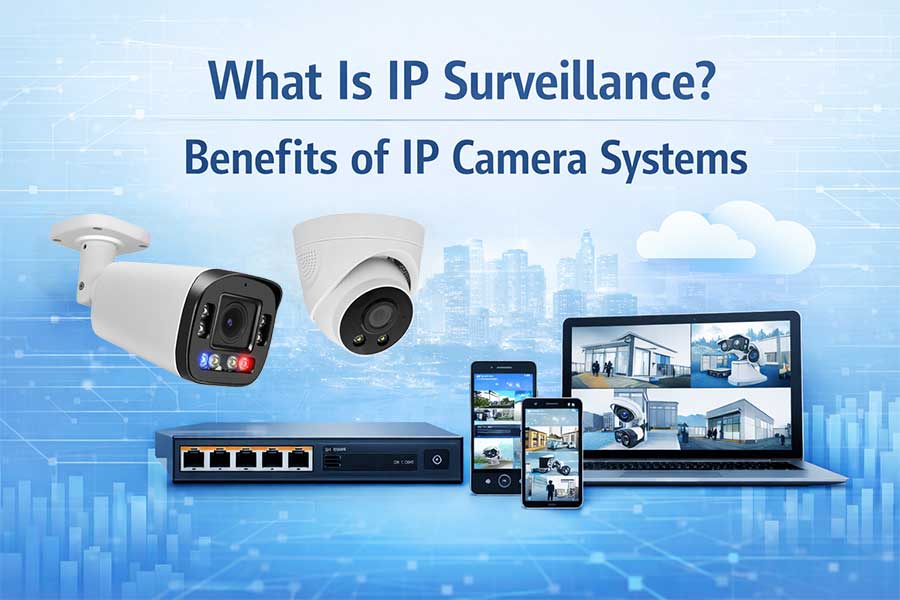
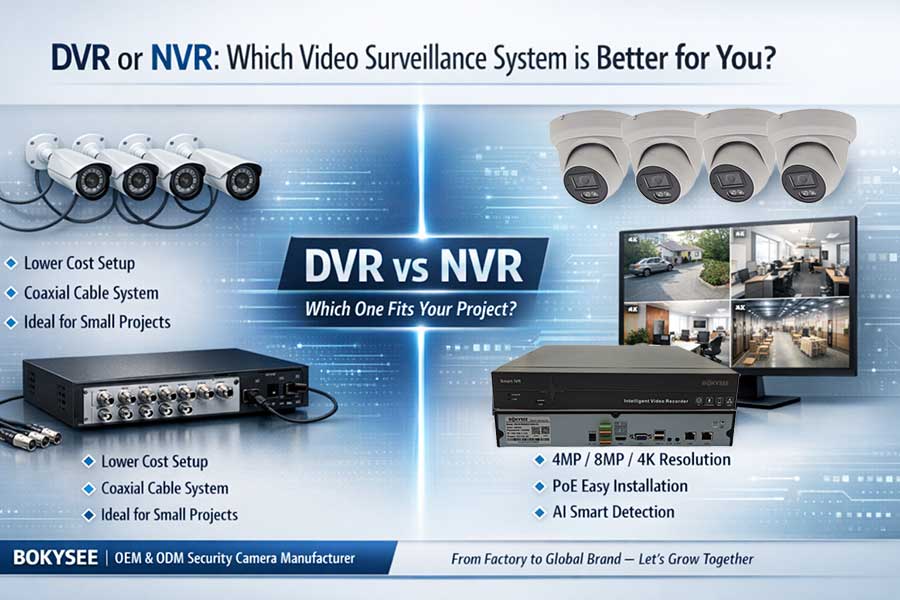
CCTV (Closed-Circuit Television) systems allow users to monitor, record, and review activities across one or multiple locations. Modern CCTV installation typically uses IP cameras connected to NVRs, enabling remote viewing, smart analytics, and centralized management.
Today’s systems are widely used in:
-
Homes and residential buildings
-
Office complexes and retail stores
-
Parking garages and warehouses
-
Multi-floor and multi-building environments
A properly designed CCTV camera installation ensures:
-
Complete coverage with minimal blind spots
-
Clear identification of people and vehicles
-
Reliable evidence for investigations
-
Improved safety perception for staff and visitors
Common Types of CCTV Cameras for Surveillance
Different surveillance environments require different camera types. The most commonly used CCTV cameras include PTZ cameras, bullet cameras, dome cameras, as well as advanced options like fisheye and thermal cameras.
PTZ Cameras in Modern Security Systems
Key Features and Benefits of PTZ Cameras
PTZ (Pan-Tilt-Zoom) cameras are designed for large-area and dynamic monitoring. Operators can remotely move the camera horizontally, vertically, and zoom in on targets in real time.
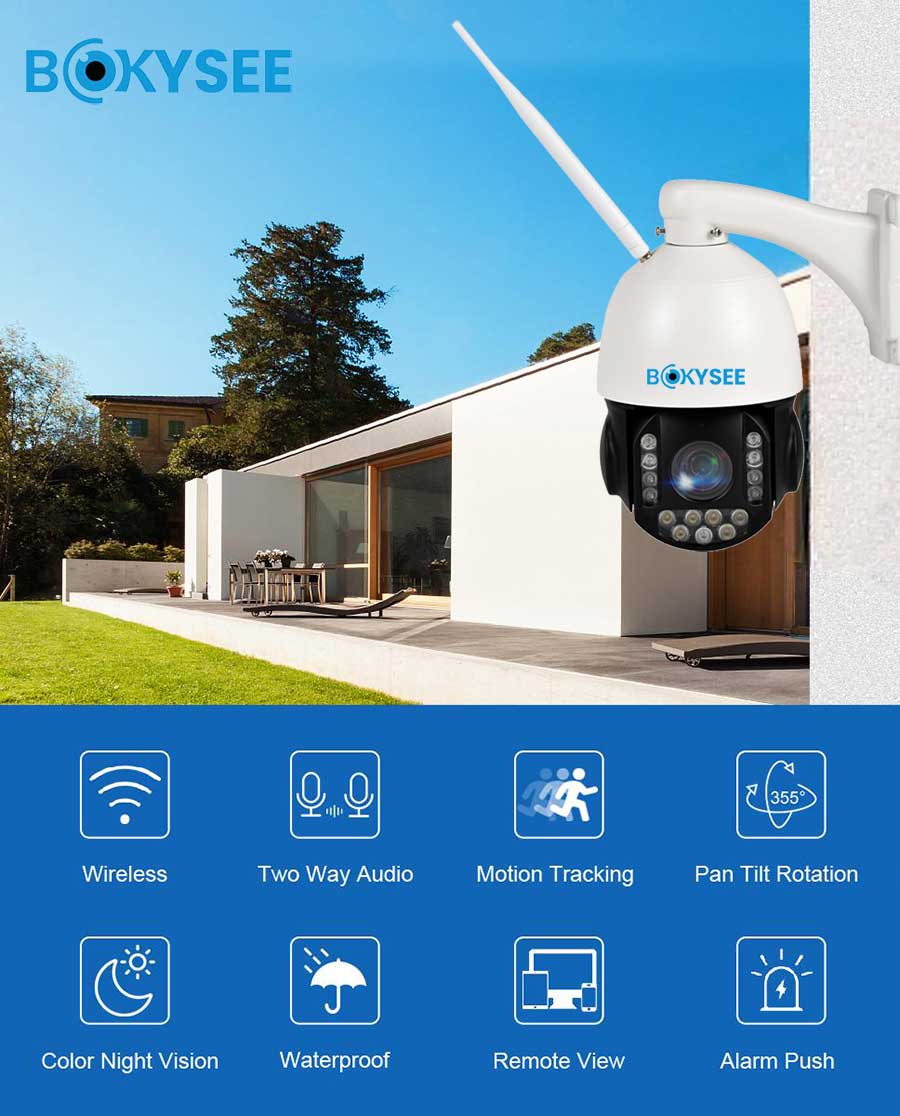
Key advantages include:
-
Wide-area coverage with fewer cameras
-
Remote control via software or mobile apps
-
Optical zoom for long-distance identification
-
Preset positions and automatic patrol routes
Security teams often deploy PTZ cameras in parking lots, campuses, logistics yards, and city surveillance projects.
Auto-Tracking PTZ Cameras and Smart Integration
Modern PTZ cameras can automatically track moving objects and integrate with alarms and sensors. When motion is detected, the camera follows the target and sends alerts to security personnel.
This combination of flexibility and automation makes PTZ cameras a preferred choice for advanced surveillance systems.
Bullet Cameras for Outdoor and Targeted Monitoring
Bullet Camera Design and Advantages
Bullet cameras feature a long cylindrical shape that makes them easy to aim at specific areas. Their visible presence also works as a strong deterrent.
Common features include:
-
Weather-resistant housings
-
Sun shields to reduce glare
-
Long-distance viewing with telephoto lenses
Ideal Use Cases for Bullet Cameras
Bullet cameras are ideal for:
-
Building entrances and exits
-
Driveways and parking areas
-
Fence lines and perimeters
Pros and Cons of Bullet Cameras
Pros
-
Easy to install and adjust
-
Excellent outdoor performance
-
Strong deterrence effect
Cons
-
More visible and easier to notice
-
Can be targeted if not mounted securely
Despite these limitations, bullet cameras remain a top choice for outdoor fixed-point surveillance.
Dome Cameras for Discreet Indoor Monitoring
Dome Camera Features and Security Benefits
Dome cameras are compact and discreet, making it difficult to tell which direction the lens is pointing. Their vandal-resistant design makes them suitable for public indoor spaces.
Typical features include:
-
Wide-angle lenses
-
Night vision and motion detection
-
Strong protective dome covers
Typical Applications of Dome Cameras
Dome cameras are widely used in:
-
Offices and commercial buildings
-
Retail stores and shopping malls
-
Schools, banks, and hotel lobbies
Compared with bullet cameras, dome models offer better aesthetics and concealment, especially indoors.
Fisheye and Thermal Cameras: Advanced Surveillance Options
Fisheye Cameras for Wide-Angle Coverage
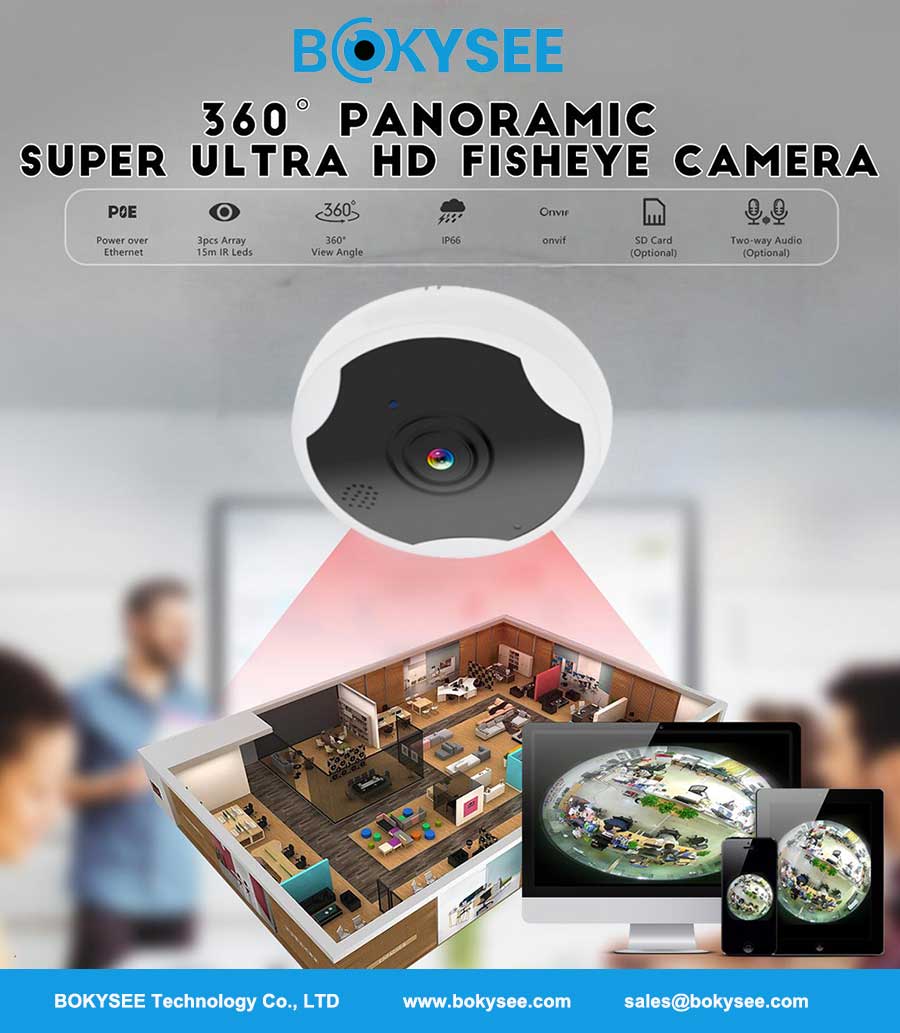
Fisheye cameras provide 180° or 360° views, allowing one camera to cover an entire room. They are ideal for:
-
Large retail spaces
-
Warehouses and classrooms
-
Open-plan offices
One fisheye camera can often replace multiple standard cameras, reducing installation complexity.
Thermal Cameras for Challenging Environments
Thermal cameras detect heat rather than visible light, enabling monitoring in:
-
Complete darkness
-
Fog, smoke, or harsh weather
-
Remote or high-risk outdoor locations
They are commonly used in industrial sites, wildlife protection, and perimeter security.
Key Considerations Before CCTV Camera Installation
Site Survey and Security Planning
A professional CCTV installation starts with a site survey. This process identifies:
-
Entry and exit points
-
High-risk areas
-
Lighting conditions and blind spots
Different zones may require different camera types. For example, fisheye cameras work well indoors, while thermal cameras are suitable for outdoor night surveillance.
Indoor vs. Outdoor Camera Requirements
Indoor cameras prioritize discretion and aesthetics, while outdoor cameras must withstand rain, wind, and sunlight. Selecting the right camera for each environment ensures long-term reliability.
Step-by-Step CCTV Camera Installation Process
Tools and Preparation
Before installation, prepare:
-
Drill, screws, anchors, ladder
-
Network and power cables
-
Mounting brackets and conduit
Always follow electrical safety standards and wear protective gear.
Secure Mounting and Cable Management
-
Use proper anchors for concrete, brick, or drywall
-
Tighten all screws to prevent vibration
-
Protect cables using conduit
-
Seal outdoor cable entry points
Strong mounting ensures stable images and prevents tampering.
PTZ Camera Installation and Configuration
PTZ cameras should be installed at elevated positions for optimal coverage.
Key steps include:
-
Secure mounting with heavy-duty brackets
-
Connecting power and network (PoE recommended)
-
Configuring presets, patrol routes, and auto-tracking
-
Testing remote control via software or mobile apps
Proper PTZ configuration maximizes coverage while reducing manual monitoring workload.
Bullet and Dome Camera Installation Best Practices
Bullet cameras should be aimed carefully and locked in position once the correct angle is achieved. Dome cameras require one-time precise angle adjustment before locking the housing, as adjustments afterward are limited.
Testing live video before final tightening helps avoid rework.
Integrating Wired and Wireless CCTV Cameras
PoE and Wired CCTV Systems
PoE (Power over Ethernet) simplifies installation by delivering power and data through a single cable. Wired systems offer:
-
Stable video transmission
-
Lower latency
-
Better scalability for large projects
Wireless and WiFi Camera Systems
Wireless cameras reduce cabling needs and are suitable for locations where wiring is difficult. However, they rely heavily on strong and stable WiFi signals.
Managing and Maintaining CCTV Security Systems
Remote Viewing and Smart Control
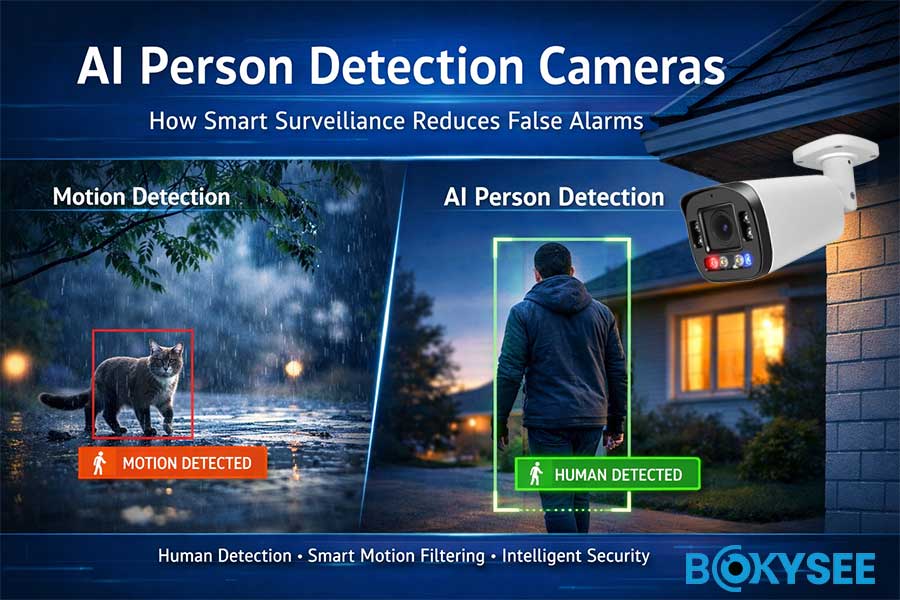
Modern CCTV systems allow remote viewing through apps and software. PTZ cameras can be controlled in real time, while smart alerts notify users of motion or abnormal activity.
Routine Maintenance and Troubleshooting
Regular maintenance includes:
-
Cleaning camera lenses
-
Checking cables and connectors
-
Verifying power stability
-
Adjusting angles and focus
Preventive maintenance helps avoid downtime and data loss.
Expanding and Upgrading CCTV Systems
As security needs grow, new cameras can be added to existing systems. Mixing PTZ, bullet, dome, fisheye, and thermal cameras provides comprehensive coverage across different environments.
For complex expansions, professional installers ensure system compatibility and stability.
Bokysee CCTV Camera Solutions for Professional Installations
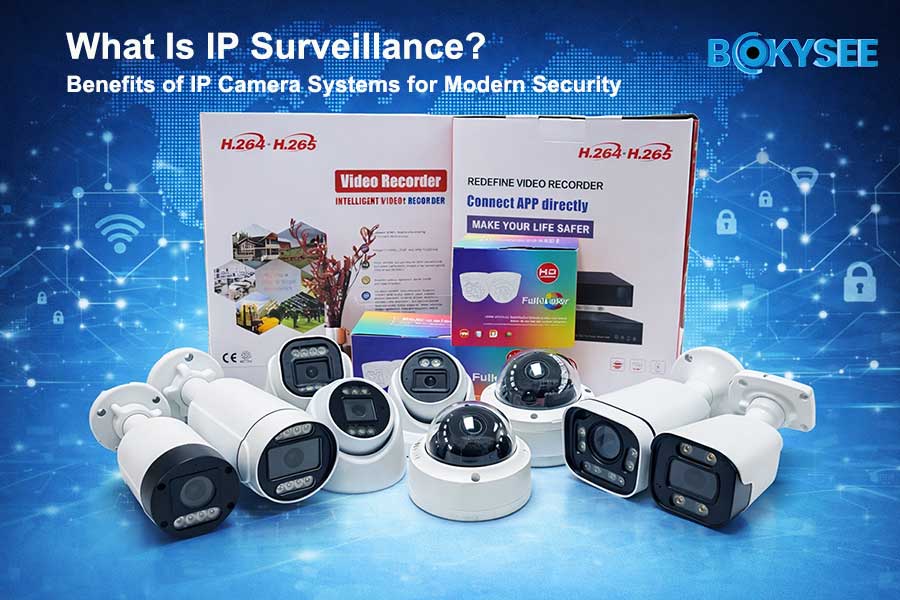
As a professional CCTV camera manufacturer, Bokysee develops security cameras based on real installation scenarios and long-term project operation needs.
Bokysee Product Highlights
-
PTZ Cameras: Optical zoom, stable motors, accurate presets for large-area surveillance
-
Bullet IP Cameras: Metal housing, long-distance lenses, ideal for outdoor and perimeter security
-
Dome Cameras: Discreet design, wide-angle viewing, perfect for commercial interiors
-
PoE IP Cameras: Simplified wiring, stable performance for scalable systems
All Bokysee cameras support ONVIF, ensuring compatibility with mainstream NVRs and VMS platforms.
OEM & ODM Capabilities
Bokysee also provides OEM and ODM services, including:
-
Custom branding and packaging
-
Firmware and GUI customization
-
AI function optimization
-
Low MOQ support for distributors and system integrators
This makes Bokysee a reliable partner for projects, tenders, and private-label CCTV brands.
Frequently Asked Questions About CCTV Camera Installation
How long does a typical CCTV installation take?
Small residential systems usually take one day, while large commercial projects may take several days.
Can I install PTZ cameras myself?
Basic installations are possible, but PTZ systems benefit from professional setup for optimal control and stability.
When should I consult a professional installer?
Complex wiring, multi-building systems, and advanced analytics setups are best handled by experts.
Key Takeaways for Effective CCTV Camera Installation
-
Proper planning and site surveys are essential
-
Choosing the right camera type for each area maximizes coverage
-
Secure mounting and reliable networking ensure long-term stability
-
Regular maintenance and upgrades keep systems effective
CCTV camera installation is not just about mounting cameras—it’s about building a complete security solution.
With the right design, installation, and products, CCTV systems protect people, property, and operations every day.
See Also
Exploring Various CCTV Camera Types: A Complete Overview
CCTV Camera Installation Tips and Optimal Placement for 2024
Understanding Various Types of CCTV Security Cameras Available
Professional Insights on Setting Up Security Cameras Effectively





 English
  Spanish
  Russian